The Future of Eyewear Introducing M02S Smart Glasses

Welcome to the future of eyewear. The M02S Smart Glasses are not just your average pair of glasses—they’re a technological revolution. Packed with features that seamlessly blend everyday utility with cutting-edge tech, these glasses are a game-changer for those seeking to enhance their daily lives.


First up, the M02S comes with an 800W HD camera built right into the frame. You can capture photos and videos from a first-person perspective, hands-free. Whether you’re hiking, traveling, or just spending time with friends, the camera lets you record your world instantly.


But that’s just the beginning. M02S also boasts Bluetooth calling, so you can answer phone calls without ever touching your phone. The dual speakers provide directional sound, ensuring that your calls and music are private, without disturbing those around you. Plus, with an impressive 290mAh battery, you’ll enjoy up to 7 hours of music playback and 4 hours of talk time on just a 2-hour charge.


For those who need to stay connected on the go, the AI voice assistant supports ChatGPT, Doubao, and other large models, making it easy to chat with AI anytime. The glasses even have real-time translation and instant recording, perfect for meetings or traveling abroad. The customizable lenses are also great for myopic users, ensuring clear vision and comfort.


With intuitive touch controls and an easy-to-use app, the M02S Smart Glasses truly redefine what smart eyewear can do. It's not just a pair of glasses—it's an upgrade to your lifestyle.


Continue
CIQTEK SEM Enables Breakthrough Solid-State Battery Research by Tsinghua SIGS, Published in Nature

Solid-state lithium metal batteries (SSLMBs) are widely recognized as the next-generation power source for electric vehicles and large-scale energy storage, offering high energy density and excellent safety. However, their commercialization has long been limited by the low ionic conductivity of solid electrolytes and poor interfacial stability at the solid–solid interface between electrodes and electrolytes. Despite significant progress in improving ionic conductivity, interfacial failure under high current density or low-temperature operation remains a major bottleneck.

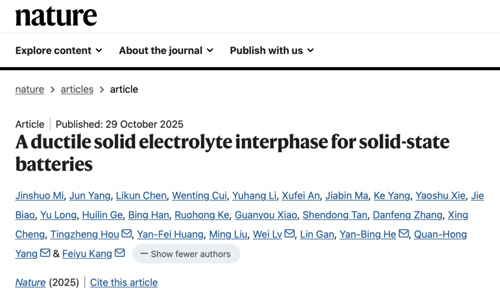
A research team led by Prof. Feiyu Kang, Prof. Yanbing He, Assoc. Prof. Wei Lü, and Asst. Prof. Tingzheng Hou from the Institute of Materials Research, Tsinghua Shenzhen International Graduate School (SIGS), in collaboration with Prof. Quanhong Yang from Tianjin University, has proposed a novel design concept of a ductile solid electrolyte interphase (SEI) to tackle this challenge. Their study, entitled “A ductile solid electrolyte interphase for solid-state batteries”, was recently published in Nature.


CIQTEK SEM Powers Nature-Published Study on Solid-State Batteries


CIQTEK FE-SEM Enables High-Resolution Interface Characterization

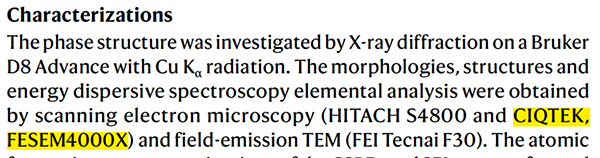
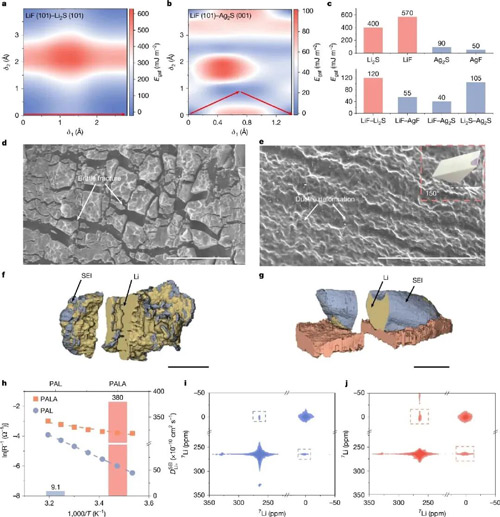
In this study, the research team utilized the CIQTEK Field Emission Scanning Electron Microscope (SEM4000X) for microstructural characterization of the solid–solid interface. CIQTEK’s FE-SEM provided high-resolution imaging and excellent surface contrast, enabling researchers to precisely observe the morphology evolution and interfacial integrity during electrochemical cycling.


CIQTEK SEM Powers Nature-Published Study on Solid-State Batteries


Ductile SEI: A New Pathway Beyond the "Strength-Only" Paradigm

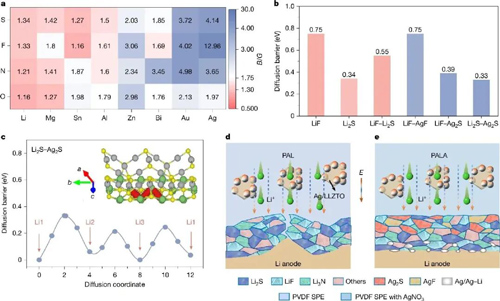
Traditional inorganic-rich SEIs, though mechanically stiff, tend to suffer from brittle fracture during cycling, leading to lithium dendrite growth and poor interfacial kinetics. The Tsinghua team broke away from the “strength-only” paradigm by emphasizing “ductility” as a key design criterion for SEI materials. Using the Pugh’s ratio (B/G ≥ 1.75) as an indicator of ductility and AI-assisted screening, they identified silver sulfide (Ag₂S) and silver fluoride (AgF) as promising inorganic components with superior deformability and low lithium-ion diffusion barriers.

Building on this concept, the researchers developed an organic–inorganic composite solid electrolyte containing AgNO₃ additives and Ag/LLZTO (Li₆.₇₅La₃Zr₁.₅Ta₀.₅O₁₂) fillers. During battery operation, an in-situ displacement reaction transformed the brittle Li₂S/LiF SEI components into ductile Ag₂S/AgF layers, forming a gradient “soft-outside, strong-inside” SEI structure. This multi-layered design effectively dissipates interfacial stress, maintains structural integrity under harsh conditions, and promotes uniform lithium deposition.


Figure 1. Schematic illustration of the component screening and functional mechanism of the ductile SEI during solid-state battery cycling.Figure 1. Schematic illustration of the component screening and functional mechanism of the ductile SEI during solid-state battery cycling.


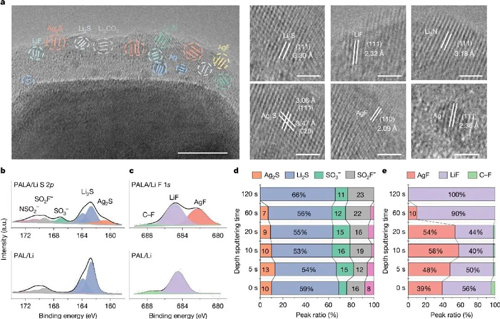
Figure 2. Structural and compositional analysis of the inorganic-rich ductile SEI.


Exceptional Electrochemical Performance

With this ductile SEI, the solid-state batteries demonstrated remarkable electrochemical stability:

  • Over 4,500 hours of stable cycling at 15 mA cm⁻² and 15 mAh cm⁻² at room temperature.

  • Over 7,000 hours of stable cycling at −30 °C under 5 mA cm⁻².

  • Full cells paired with LiNi₀.₈Co₀.₁Mn₀.₁O₂ (NCM811) cathodes exhibited excellent high-rate (20 C) and low-temperature performance.


Figure 3. Exceptional plastic deformability and mechanical stability of the inorganic-rich ductile SEI.Figure 3. Exceptional plastic deformability and mechanical stability of the inorganic-rich ductile SEI.


A Breakthrough Strategy for Interface Engineering in Solid-State Batteries

This research provides a new theoretical and practical framework for designing ideal SEI structures, marking a significant step toward commercially viable solid-state batteries. By integrating mechanical ductility with high ionic conductivity, the study opens up a new direction in solid-state electrolyte and interfacial material design.


Reference:
Kang, F. Y., He, Y. B., Lü, W., Hou, T. Z., Yang, Q. H., et al. (2025). A ductile solid electrolyte interphase for solid-state batteries. Nature.
https://www.nature.com/articles/s41586-025-09675-8

Continue
CIQTEK SEM Solutions Highlighted at the 2nd IESMAT Electron Microscopy Day, Spain

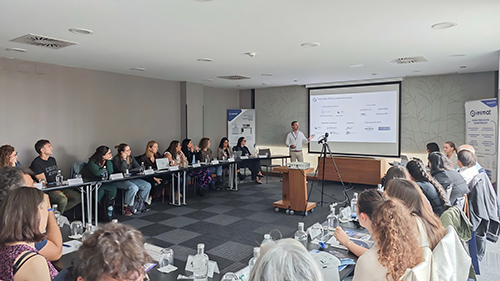
The 2nd IESMAT Electron Microscopy Day was successfully held on November 6, 2025, in Madrid, Spain, bringing together dozens of microscopy experts, researchers, and professionals from Spain and Portugal. The event served as a valuable platform for sharing knowledge, exploring the latest microscopy technologies, and strengthening connections within the Iberian microscopy community.

As CIQTEK’s official partner in Spain and PortugalIESMAT provides localized support and professional service for CIQTEK electron microscopy solutions in the region. This year, the event was also recognized by the Portuguese Society of Microscopy, further expanding its reach and influence among the scientific and industrial communities.


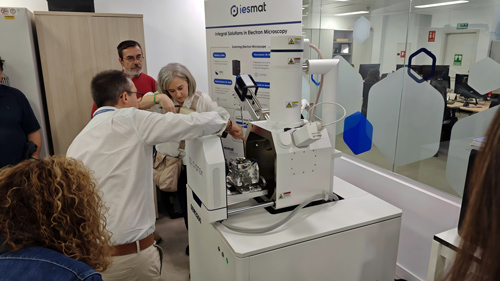
During the meeting, IESMAT presented an in-depth introduction to CIQTEK’s electron microscope product portfolio, highlighting advanced features and application advantages of the CIQTEK SEM series. A live demonstration using the CIQTEK Tungsten Filament SEM3200 allowed attendees to experience its high-resolution imaging capabilities and intuitive operation firsthand. The hands-on session sparked active discussions, with many participants engaging directly with IESMAT experts for technical insights and practical guidance.


IESMAT Demonstrating the CIQTEK SEM3200IESMAT Demonstrating the CIQTEK SEM3200


The event also featured a series of technical presentations and open discussions on microscopy applications across materials science, nanotechnology, and life sciences, reflecting the growing interest and demand for high-performance, user-friendly microscopy tools in the Iberian market.


CIQTEK SEM Solutions Featured at IESMAT Electron Microscopy Day


Looking ahead, CIQTEK and IESMAT will continue to deepen their collaboration to provide cutting-edge electron microscopy technologiescomprehensive customer support, and training opportunities to researchers and laboratories in Spain and Portugal. Together, they aim to empower scientific discovery and innovation through accessible, high-quality instrumentation.

Continue
RFoG in the Fiber-Deep Era A Practical Path Toward All-Fiber Access

For many broadband operators, access network evolution is not defined by a single technology leap but by a series of incremental, carefully measured decisions. Existing DOCSIS infrastructure, established operational processes, and large installed CPE bases continue to influence network planning strategies. At the same time, growing upstream demand, noise challenges in legacy plant segments, and the long-term objective of a fiber-based access layer are shaping how upgrades are executed in practice.


Within this context, Radio Frequency over Glass (RFoG) has gained attention as a transitional mechanism that allows fiber extension into the access network while retaining RF interfaces and DOCSIS-based service delivery. Rather than replacing systems wholesale, RFoG supports a staged approach: fiber where it brings the most impact, coexistence with legacy services where continuity is required, and preparation for all-optical service models when timing and budgets align.


RFoG replaces coaxial distribution segments with passive fiber while retaining traditional RF interfaces and compatibility with DOCSIS and legacy broadcast video systems. This allows operators to extend fiber deeper into the access network while maintaining existing CPE and backend platforms. In essence, it enables fiber-based transport without immediately requiring full-scale system migration.


From a technical perspective, RFoG introduces several advantages associated with optical access. By removing active coaxial components in the field, it reduces power consumption and maintenance requirements. Fiber distribution also minimizes ingress noise and return-path interference, improving upstream performance compared to traditional HFC segments. These improvements are particularly beneficial in areas where noise and plant condition have historically limited upstream capacity.


A key topic in RFoG discussions is coexistence with PON systems. Because RFoG typically uses separate optical wavelengths for downstream and upstream transmission, it can share fiber infrastructure with GPON or XGS-PON. This makes it suitable for incremental network evolution, where operators can serve DOCSIS subscribers alongside fiber customers on a common outside-plant architecture. For operators pursuing gradual migration rather than abrupt technology replacement, this coexistence is a strategic advantage.


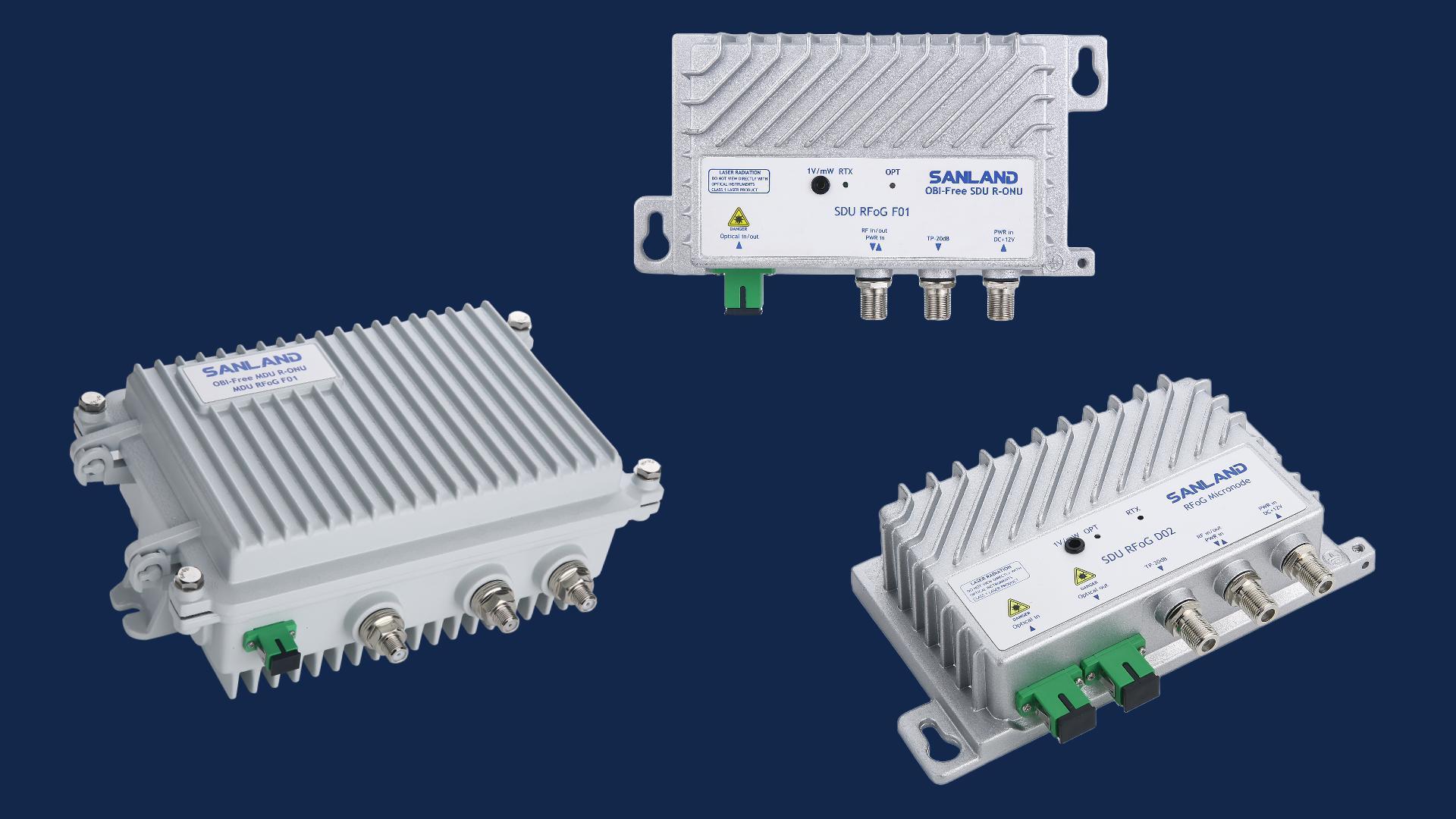
At the same time, RFoG is not without technical considerations. Optical Beat Interference (OBI), caused by simultaneous upstream transmissions from multiple optical nodes at similar wavelengths, has historically been a deployment challenge. However, modern system designs and improved upstream burst-mode techniques have significantly mitigated this issue. As a result, RFoG has become viable not only for single-family deployments but also for multi-dwelling units (MDUs) and high-density applications where upstream coordination matters.


Typical use cases for RFoG include fiber-deep upgrades, greenfield fiber deployments where legacy RF service must be supported, campus and rural fiber distribution, and MDU networks where rewiring internal coax infrastructure is impractical. In these scenarios, RFoG offers a balance between operational continuity and optical performance improvement.


It is also important to recognize RFoG’s role as a bridge rather than a final destination. In many markets, operators anticipate eventual migration to IP-video and full PON access. RFoG fits into this longer-term roadmap by enabling fiber extension, simplifying future conversion, and reducing operational load on legacy coaxial assets ahead of full platform transition.

Learn more about RFoG deployment practices and optical access strategies here
sanland's rf over glass

Continue
Lightweight and Reliable A Closer Look at the TRITON-TI Dive Watch

The TRITON-TI represents the pinnacle of dive watch engineering, merging advanced materials with sustainable technology. Crafted from aerospace-grade titanium, this remarkable timepiece weighs 57% less than traditional stainless steel while offering 10 times superior corrosion resistance - making it equally suited for deep-sea exploration and everyday sophistication.


What truly sets the TRITON-TI apart is its innovative solar-powered movement. Harnessing energy from both natural and artificial light sources, it delivers up to 180 days of continuous operation on a full charge, eliminating battery anxiety forever. Professional divers will appreciate its 300-meter water resistance, complemented by a high-temperature fired ceramic bezel and quick-glow luminous markers that ensure perfect readability in the deepest waters.


The watch features a unidirectional rotating bezel for safe dive timing, a secure screw-down titanium crown, and an optical-grade crystal that provides exceptional dial clarity. The subtle matte-gray finish exudes understated elegance, while the silicone strap with titanium buckle offers all-day comfort.


For those seeking uncompromising performance without the weight, the TRITON-TI delivers heavy-duty functionality in an exceptionally lightweight package. It's not just a dive watch - it's your reliable companion for every adventure, above and below the waves.

Continue
JACS Publication | CIQTEK SNVM Enables Discovery of Room-Temperature Ferromagnetism in Semiconducting MnS₂

Researchers from Nanjing University of Science and Technology, led by Prof. Erjun Kan and Assoc. Prof. Yi Wan, together with Prof. Kaiyou Wang’s team at the Institute of Semiconductors, Chinese Academy of Sciences, has achieved a breakthrough in the study of two-dimensional (2D) ferromagnetic semiconductors.

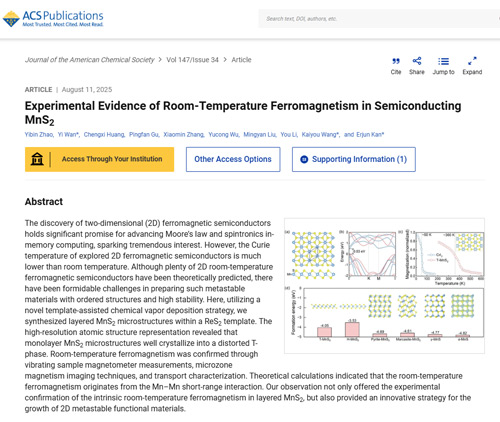
Using the CIQTEK Scanning NV Microscope (SNVM), the team successfully demonstrated room-temperature ferromagnetism in the semiconducting material MnS₂. The findings were published in the Journal of the American Chemical Society (JACS) under the title “Experimental Evidence of Room-Temperature Ferromagnetism in Semiconducting MnS₂.”


JACS Publication | CIQTEK SNVM Enables Discovery of Room-Temperature Ferromagnetism in Semiconducting MnS₂https://pubs.acs.org/doi/10.1021/jacs.5c10107


Pioneering Discovery in 2D Ferromagnetic Semiconductors

The discovery of 2D ferromagnetic semiconductors has raised great expectations for advancing Moore’s Law and spintronics in memory and computation. However, most explored 2D ferromagnetic semiconductors exhibit Curie temperatures far below room temperature. Despite theoretical predictions of many potential room-temperature 2D ferromagnetic materials, the experimental synthesis of ordered and stable metastable structures remains a formidable challenge.

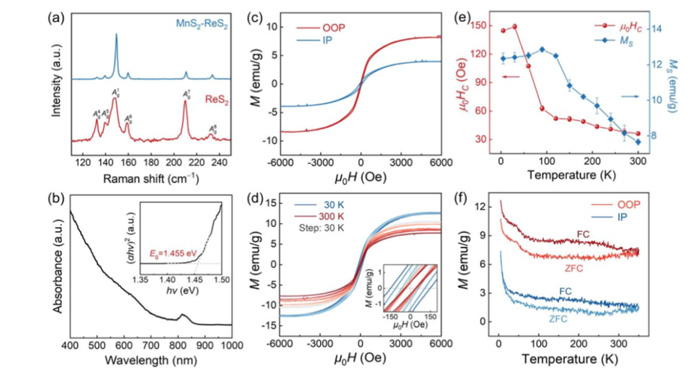
In this study, the researchers developed a template-assisted chemical vapor deposition (CVD) method to synthesize layered MnS₂ microstructures within a ReS₂ template. High-resolution atomic characterizations revealed that the monolayer MnS₂ microstructure crystallized well in a distorted T-phase. The optical bandgap and temperature-dependent carrier mobility confirmed its semiconducting nature.

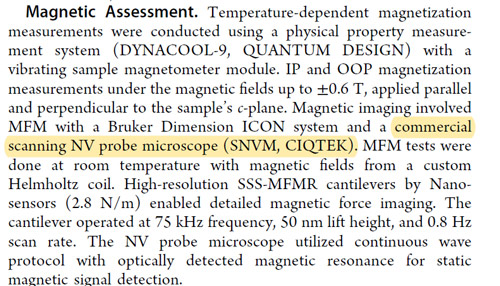
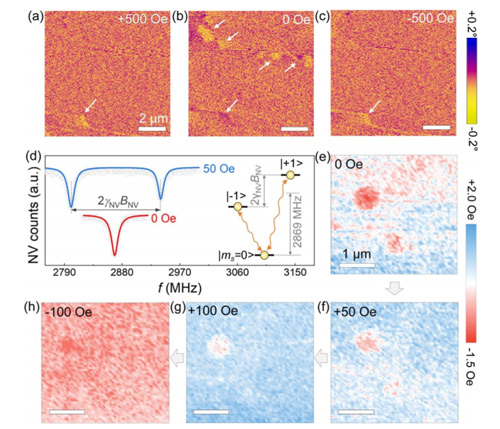
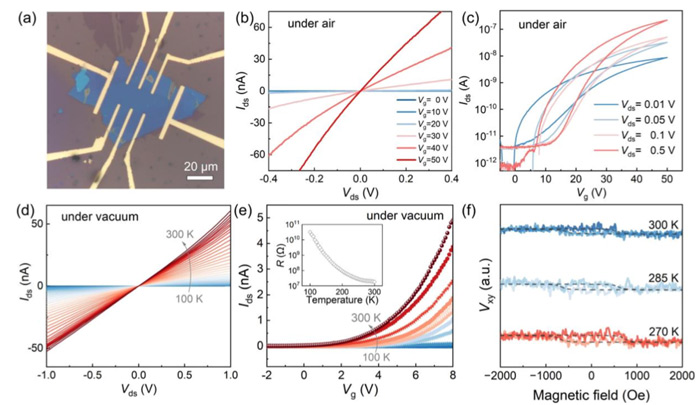
By combining vibrating sample magnetometry (VSM)electrical transport measurements, and micro-magnetic imaging using CIQTEK SNVM, the team provided solid experimental evidence of room-temperature ferromagnetism in MnS₂. Electrical transport measurements also revealed an anomalous Hall resistance component in the monolayer samples. Theoretical calculations further indicated that this ferromagnetism originates from short-range Mn–Mn interactions.

This work not only confirms the intrinsic room-temperature ferromagnetism of layered MnS₂ but also proposes an innovative approach for the growth of metastable functional 2D materials.


JACS Publication | CIQTEK SNVM Enables Discovery of Room-Temperature Ferromagnetism in Semiconducting MnS₂


Two Key Breakthroughs

  • Intrinsic Room-Temperature Ferromagnetism in MnS₂ Monolayers:
    The study experimentally demonstrates intrinsic room-temperature ferromagnetism in semiconducting MnS₂, resolving the long-standing conflict between semiconductivity and magnetism.

  • Template-Assisted CVD Strategy for Metastable Ferromagnetic Microstructures:
    The developed synthesis strategy enables scalable fabrication of metastable ferromagnetic microstructures.

These advances establish MnS₂ as a model platform for 2D spintronics, offering a new pathway for engineering low-dimensional magnetic materials.


ChatGPT 说:

Figure 1: Optical and Magnetic Measurements


Figure 2: Micro-Region Magnetic Imaging


Figure 3: Electrical Transport Measurements


CIQTEK SNVM: Key Instrument Behind the Discovery

The CIQTEK Scanning NV Microscope (SNVM) played a crucial role in this research. Its high-precision nanoscale magnetic imaging capabilities were essential for visualizing and confirming the magnetic properties of MnS₂. This study highlights how CIQTEK's advanced scientific instruments are empowering frontier research in materials science and condensed matter physics.

This breakthrough not only drives progress in 2D material studies but also opens new opportunities for spintronics and next-generation memory technologies.


Experience CIQTEK SNVM

CIQTEK SNVM is a world-leading nanoscale magnetic field imaging system, offering:

  • Temperature range: 1.8–300 K

  • Vector magnetic field: 9/1/1 T

  • Magnetic spatial resolution: 10 nm

  • Magnetic sensitivity: 2 μT/Hz¹ᐟ²

Based on NV center-based optically detected magnetic resonance (ODMR) and atomic force microscopy (AFM) scanning imaging, the SNVM provides high spatial resolutionhigh magnetic sensitivitymultifunctional detection, and non-invasive measurement.

It is a powerful tool for magnetic domain characterization, antiferromagnetic imaging, superconductivity studies, and 2D magnetic materials research, enabling scientists to explore materials with high precision and confidence.

Continue
Breaking Boundaries CIQTEK Launches the Next-Generation Q-Band EPR Spectrometers

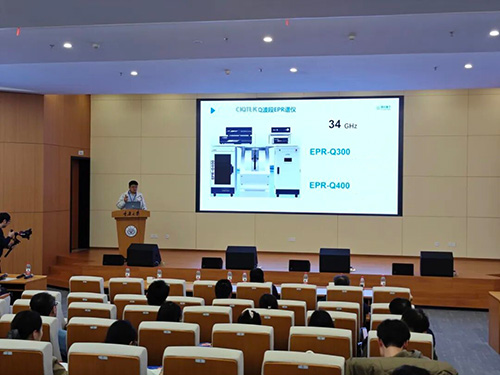
The 15th China Symposium on Electron Paramagnetic Resonance (EPR) Spectroscopy was successfully held at Chongqing University from October 24 to 27, 2025. Nearly one hundred experts, scholars, industry representatives, and graduate students gathered to discuss cutting-edge topics in the EPR field, including new techniques and theories, biological spin labeling, and new energy applications.


15th China Symposium on Electron Paramagnetic Resonance (EPR) Spectroscopy


Grand Launch: CIQTEK Q-Band EPR Spectrometers Make a Stunning Debut

As a pioneer in paramagnetic resonance technology, CIQTEK officially unveiled its new Q-band EPR spectrometer series — the EPR-Q400 High-Frequency Pulse Spectrometer and the EPR-Q300 Continuous-Wave Spectrometer, marking another significant milestone in high-frequency EPR technology.

Compared with traditional X-band EPRhigh-frequency EPR offers:

  • Higher spectral resolution

  • Stronger orientation selectivity

  • Enhanced sensitivity

Making it a powerful tool for biomacromolecular structure studiesspin dynamics research, and materials science applications.


Dr. Richard Shi from CIQTEK Introduces the Q-Band EPR Instruments at the MeetingDr. Richard Shi from CIQTEK Introduces the New Q-Band EPR Instruments at the Meeting


Flagship Model: EPR-Q400 High-Frequency Pulse Spectrometer

The EPR-Q400, the flagship model of this release, supports both CW and pulsed EPR measurements, meeting a wide range of research demands. It enables variable-temperature experiments from 4 K to 300 K, providing flexible and precise experimental conditions.

Notably, the Q-band spectrometer adopts the same software platform as CIQTEK X-band EPR systems, greatly reducing the learning curve and ensuring a seamless and user-friendly operation experience.


Dedicated CW Solution: EPR-Q300 Continuous-Wave Spectrometer

For users focusing solely on continuous-wave EPR experiments, CIQTEK introduced the EPR-Q300, offering a targeted and efficient solution for diverse scientific applications.


Continuous Innovation in EPR Technology

This product launch showcases CIQTEK’s robust R&D capabilities and in-depth technical expertise in EPR spectroscopy, thereby further enriching its EPR product portfolio. During the symposium, multiple experts recognized CIQTEK’s responsive and professional technical support, noting that the team not only helps resolve experimental challenges but also actively participates in collaborative research, contributing to high-level scientific achievements.


Upcoming Event: CIQTEK Paramagnetic Academy 2026

To further promote academic exchange and talent development in EPR technology, the CIQTEK Paramagnetic Academy Advanced EPR Workshop will be held from July 17 to 27, 2026, in conjunction with the CIQTEK EPR User Symposium.


These events will serve as an open platform for technical communication, experience sharing, and application discussions among EPR researchers and users.
Stay tuned for more updates and upcoming event announcements.

Continue
T9 Smart Watch Your Elegant Health Companion

In today's fast-paced world, staying connected while maintaining your health has never been more important. The T9 Smartwatch beautifully bridges this gap, combining sophisticated design with comprehensive health monitoring in one sleek device. Its 1.27-inch HD display offers crystal-clear visibility, while the lightweight 40-gram design ensures all-day comfort without compromising on style.


What truly sets the T9 apart is its advanced health monitoring system. The watch provides 24/7 heart rate tracking, blood oxygen monitoring, and stress level detection, giving you valuable insights into your wellbeing. For women, it offers specialized health tracking with menstrual cycle reminders and predictions. The built-in breathing training guide helps you manage stress effectively, while intelligent sleep analysis helps optimize your rest patterns.


Beyond health features, the T9 keeps you connected with Bluetooth calling and message notifications. Fitness enthusiasts will appreciate the multiple sports modes that accurately track various activities, and the music control feature adds convenience to your workouts. With its elegant design transitioning seamlessly from day to night, the T9 isn't just a smartwatch - it's your personal health companion that complements your lifestyle while keeping you connected and healthy.

Bluetooth calling health watch

Continue
WAIN Innovative & Efficient Pneumatic Technology


With the continuous development of industrial automation, connector products have undergone diverse and innovative upgrades. In response to the demand for pneumatic insertion and extraction, WAIN Electrical offers three series of pneumatic solutions.


Sealing Principle


First Series

PCM

PCF(S)

Second Series-Quick-in

MPCM-ID

MPCF(S)-ID

Second Series

MPCM(S)-OD

MPCF(S)-OD

Third Series-Quick-in

MPCM/A-ID

MPCF(S)/A-ID

1

First (Second) Series

1.The plastic plug (bracket) is externally equipped with an O-ring. Under the action of spring tension and high-pressure gas, the outer diameter of the O-ring is tightly pressed against the internal slanted surface of the female end, achieving a seal for the female end.

2.Before the male end opens the plastic plug (bracket) at the top, the O-ring on the outside of the male end has already sealed the inner wall of the female end's inner hole. Once the male end opens the plastic plug (bracket), the high-pressure gas is connected.

3.When the male end pin is withdrawn, the plastic plug (bracket) of the female end returns to its initial sealed state, completing one cycle of insertion and extraction.

2

Third Series

1.The round steel ball inside the female end, under the action of spring tension and high-pressure gas, tightly compresses the inner diameter of the built-in sealing ring to achieve a seal for the female end.

2.Before the male end opens the round steel ball at the top, the outside of the male end has already sealed the inner hole of the built-in O-ring of the female end. Once the male end opens the round steel ball, the high-pressure gas is connected.

3.When the male end pin is withdrawn, the round steel ball of the female end returns to its initial sealed state, completing one cycle of insertion and extraction.


Product Performance


Series

Mating Cycles

Maximum Pressure

First Series

500 cycles

8 bar

Second Series

500 cycles

10 bar

Third Series

10000 cycles

15 bar


1

Efficient and Durable, Stable and Reliable

WAIN pneumatic pin structures are reliable and meet the operational needs of high pneumatic insertion and extraction. WAIN also provides various connection options to accommodate different connection scenarios, offering high adaptability and flexibility.

2

Innovative Design, Easy Operation

WAIN provides three series of pneumatic pin options. The second and third series even offer quick-connect versions to make operations more convenient. Furthermore, the third series has altered the male pin interface design based on the second series, reducing the insertion and operation force.

3

Adapts to Diverse Needs

Different application scenarios require different operational modes for pneumatic pins. The WAIN pneumatic pin female end can be optionally equipped with or without a locking state, making the pneumatic pin more flexible and adaptable to more diverse work requirements.


Product Applications


The pneumatic pin, when paired with a pneumatic module, can be used in combination with frames and other module products. WAIN offers more than 26,578 products (data from WAIN ERP system, statistics date: 2023.07.01), which are widely applied in aerospace, rail transportation, mechanical manufacturing, wind power energy, robotics, automation, and other fields.


·END·


WAIN is not only manufacturing, but also creating!

Any questions and ideas related to industrial connectors,

we welcome to discuss with you.


Continue
Xi'an Jiaotong University Builds Advanced In-situ Materials Research Platform with CIQTEK Field Emission SEM

Cutting-edge research platform for micro/nanoscale material behavior studies

The Center for Micro/Nanoscale Behavior of Materials at Xi’an Jiaotong University (XJTU) has established a comprehensive in-situ materials performance research platform based on the CIQTEK SEM4000 Field Emission Scanning Electron Microscope (FE-SEM). By integrating multiple in-situ testing systems, the center has achieved remarkable progress in the application of in-situ SEM techniques and advanced materials science research.


Leading national research infrastructure

The XJTU Center for Micro/Nanoscale Behavior of Materials focuses on the structure–property relationship of materials at the micro/nanoscale. Since its establishment, the center has published over 410 high-impact papers, including in Nature and Science, demonstrating outstanding scientific output.

The center houses one of the most advanced in-situ materials performance research platforms in China, equipped with large-scale systems such as a Hitachi 300 kV environmental TEM with quantitative nanomechanical–thermal coupling capabilities and an environmental aberration-corrected TEM for atomic-scale in-situ studies of thermo-mechanical-gas interactions. Together, these instruments provide powerful technical support for frontier materials research.


Efficient and seamless experience with CIQTEK SEM

In 2024, the center introduced the CIQTEK SEM4000 Field Emission Scanning Electron Microscope.
Dr. Fan Chuanwei, equipment manager at the center, remarked:

“The resolution and stability of the CIQTEK SEM4000 perfectly meet our research demands. What impressed us most was the efficiency. It took less than four months from equipment installation to our first paper published using the system, and the entire process from procurement to operation and after-sales was highly efficient.”


Regarding customized services, Dr. Fan added:

“For our in-situ SEM experiments, CIQTEK tailored a real-time video recording module and designed customized adapter stages for various in-situ setups. The rapid response and flexibility of the CIQTEK team fully demonstrate their professional expertise.”


Integrated in-situ testing capabilities

The SEM4000 platform at XJTU has successfully integrated three core in-situ testing systems, forming a complete in-situ mechanical performance research capability.

  • Bruker Hysitron PI 89 Nanomechanical Test System – Enables nanoindentation, tensile, fracture, fatigue, and mechanical property mapping. It has been extensively used in micro/nanoscale mechanical testing of semiconductor devices, leading to significant results in semiconductor materials research.

  • KW In-situ Tensile Stage – Offers a loading range from 1 N to 5 kN and supports various grips, including standard compression/tension, compact tension, three-point bending, and fiber tensile testing. Combined with SEM imaging, it allows real-time correlation of mechanical data with microstructural evolution, providing critical insights into deformation mechanisms.

  • Custom In-situ Torsion Stage – Developed by Prof. Wei Xueyong’s team at the School of Instrument Science and Engineering, XJTU, this system enables torsional deformation studies under SEM observation, adding a unique capability to the research platform.
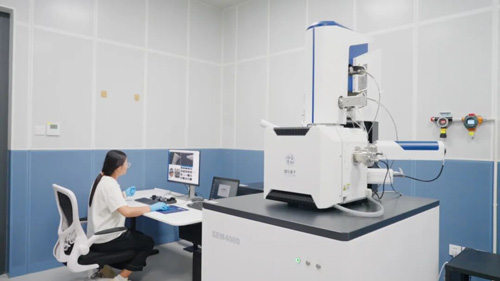
 

Xi'an Jiaotong University Builds Advanced In-situ Materials Research Platform with CIQTEK Field Emission SEMCIQTEK Field Emission SEM4000 at Xi'an Jiaotong University


Dr. Fan commented:

“The systems are well integrated with the SEM and easy to operate. Our researchers quickly became proficient, and these combined techniques have provided a wealth of valuable experimental data and scientific discoveries.”


SEM4000: Designed for in-situ excellence

The outstanding performance of SEM4000 in in-situ studies benefits from its purpose-built engineering design. According to CIQTEK engineers, the large chamber and long-travel stage provide ample space and stability for complex in-situ setups, which is a key advantage over conventional SEMs.

Its modular architecture, featuring 16 flange interfaces, allows flexible customization of vacuum ports and electrical feedthroughs for different in-situ devices. This design makes integration and system expansion remarkably straightforward.

In addition, the integrated in-situ video recording function enables continuous observation and recording of microstructural evolution during experiments, providing crucial data for dynamic process analysis and mechanism exploration.
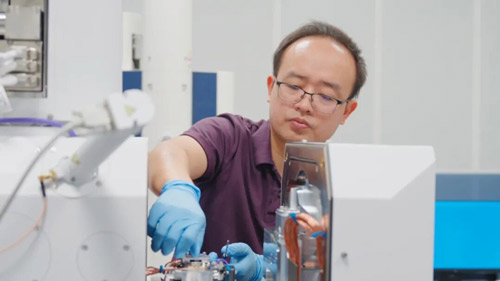
 

Xi'an Jiaotong University Builds Advanced In-situ Materials Research Platform with CIQTEK Field Emission SEM


Continuous innovation for future research

Looking ahead, the XJTU center plans several technology development initiatives based on the SEM4000 platform, reflecting strong confidence in the long-term advancement of CIQTEK scientific instruments.

“We plan to add in-situ heating and EBSD modules for high-temperature and EBSD observations. We also aim to extend our self-developed quantitative in-situ mechanical analysis software, which was originally developed for TEM, to SEM applications. Furthermore, we’re developing an ‘SEM AI Agent’ system to enable automated operation, image acquisition, and data processing through AI assistance,” said Dr. Fan.

“With these continuous improvements, we hope to achieve more breakthroughs in understanding micro/nanoscale material behavior while contributing to the progress and broader adoption of advanced domestic scientific instruments. With CIQTEK’s support, we are confident in realizing these goals.”


The collaboration between Xi'an Jiaotong University and CIQTEK demonstrates the strong potential and technological depth of CIQTEK's high-end scientific instruments in frontier research. From the first paper produced within four months to the successful integration of multiple in-situ testing systems, the CIQTEK SEM4000 has proven to be a cornerstone of XJTU’s advanced materials research platform, earning recognition from one of the nation’s leading research institutions.

Continue
Home Archives