How to Calculate and Choose the Right Power Supply for Your LED Strip Lights?

Selecting the right power supply for your LED strip lights is one of the most critical steps in any lighting installation. The power supply determines not only whether your LED strips perform optimally, but also how long they last and how much energy they consume. Many lighting failures and flickering issues stem from incorrect wattage calculation or unstable voltage output.
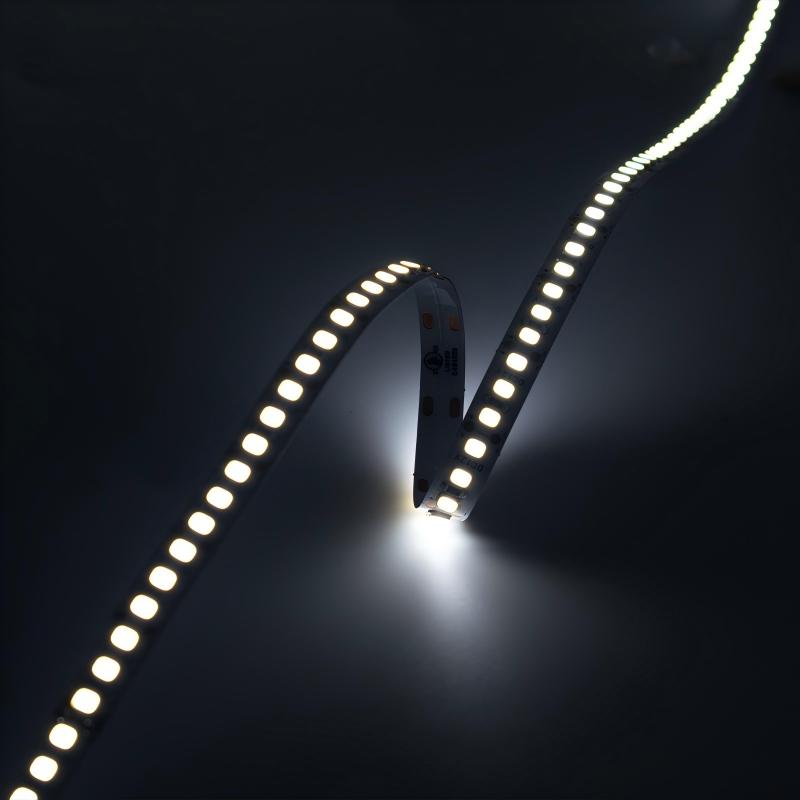
High-intensity cool white flexible LED strip

1. Understanding Power Supply Basics

LED strip lights operate on low DC voltage—typically 12V or 24V. The power supply (often called an LED driver) converts AC mains voltage (like 110V or 220V) into a steady DC output.

To choose the right one, you must calculate total power demand (W), current (A), and voltage (V) requirements.

Parameter Symbol Description
Voltage V Operating voltage of the strip (12V / 24V)
Current A Flow of electric charge (amps)
Power W Energy consumption (watts = volts × amps)
Length M Total length of LED strip used


2. Step-by-Step Power Calculation

Let’s use a 240 LEDs/m LED Strip Light as an example.

Step 1: Identify the Rated Power per Meter

Manufacturers usually list power consumption like 19.2W/m or 24W/m.
Let’s assume your LED strip uses 20W/m at 24V.

Step 2: Multiply by the Total Length

If your project requires 5 meters:

20W/m × 5m = 100W total power

Step 3: Add a Safety Margin

Always add 20–30% extra capacity to prevent overload and heat stress:

100W × 1.25 = 125W minimum power supply

So, you’ll need a 24V / 125W (≈5.2A) power supply.

Parameter Value
Strip Voltage 24V DC
Power per Meter 20W
Length 5m
Total Power 100W
Safety Factor +25%
Recommended Power Supply 125W (5.2A)


3. Voltage Drop and Efficiency Factors

For long runs (over 5m), voltage drop can cause visible brightness reduction toward the end of the strip. To prevent this:

  • Use thicker wires or feed power from both ends.

  • Choose 24V strips instead of 12V for better stability.

  • Split long strips into sections, each powered by its own connection.

Wire Length Recommended Wire Gauge (AWG)
<2m 20 AWG
2–5m 18 AWG
5–10m 16 AWG


4. Example: RGB LED Strip Power Calculation

For an Energy Saving RGB LED Strip Light, each color channel (R, G, B) consumes power.
A typical 24V RGB strip might draw 7.2W/m per color, totaling 21.6W/m.

Let’s say you install 10 meters:

21.6W/m × 10m = 216W 216W × 1.2 = 259W recommended power supply

So, you’ll need a 24V / 260W (≈10.8A) power supply.

Parameter Value
Strip Type Energy Saving RGB LED Strip Light
Voltage 24V DC
Power per Meter 21.6W
Length 10m
Total Power 216W
Safety Margin 20%
Recommended PSU 260W / 10.8A


5. Key Considerations Before Purchase

✅ Check Output Voltage — Match 12V or 24V exactly.
✅ Choose Proper Wattage — At least 20% above total load.
✅ Look for Certifications — CE, RoHS, UL ensure safety and efficiency.
✅ Mind Cooling — Ensure airflow around power supplies.
✅ Select Trusted Brands — Quality directly affects LED lifespan.


6. Recommended Setup Example

For a modern interior project using 240 LEDs/m LED Strip Light or Ultra Bright LED Strip Light Tape:

  • Length: 8 meters

  • Total Power: 8 × 20W = 160W

  • Recommended PSU: 24V / 200W switching supply

  • Efficiency: 88%

  • Energy Savings: Up to 30% vs. traditional neon lighting

The same power supply can also support Energy Saving RGB LED Strip Light for decorative accents if total power draw remains within 80% of PSU capacity.


Proper power calculation ensures your LED strips run efficiently, stay bright, and last longer. Whether you’re designing architectural lighting or setting up Energy Saving RGB LED Strip Light systems for homes and retail spaces, always size your power supply with care — it’s the hidden foundation of every reliable lighting installation.
Continue
Common Issues in Fiber Laser Repair

Fiber lasers are integral components in various industries, renowned for their precision, power, and efficiency. However, like any sophisticated technology, fiber lasers are prone to certain issues that require timely repair and maintenance to ensure optimal performance.
1. Fiber Breakage
One of the most prevalent issues in fiber laser systems is fiber breakage. Whether due to mechanical stress, improper handling, or excessive bending, fiber breakage can disrupt the laser's functionality and necessitate immediate repair. Identifying the breakage point and effectively splicing the fibers together is crucial to restoring the laser's operational efficiency.

2. Contamination
Contamination within the optical components of the fiber laser can significantly impact its performance. Dust particles, debris, or even moisture can accumulate over time, leading to reduced output power and beam quality. Thorough cleaning and inspection techniques, alongside precise alignment procedures, are essential in resolving contamination-related issues during repair.

3. Misalignment
Misalignment of optical components within the fiber laser system can result in beam divergence, power loss, and overall inefficiency. Aligning components such as lenses, mirrors, and fibers accurately is paramount to ensuring optimal laser output. Utilizing precise alignment tools and techniques during repair is imperative to rectifying misalignment issues effectively.

4. Thermal Damage
Excessive heat generation within the fiber laser system can cause thermal damage to critical components, leading to performance degradation and potential system failure. Proper thermal management strategies, such as maintaining optimal operating temperatures and cooling mechanisms, are essential in mitigating thermal damage during repair processes.

5. Electronic Malfunctions
Electronic malfunctions, including issues with power supplies, control systems, or sensor failures, can impede the functionality of the fiber laser. Thorough diagnostic testing, component replacement, and recalibration are key steps in rectifying electronic malfunctions and restoring the laser to full operational capacity.


Addressing common issues encountered in fiber laser repair requires a systematic approach, precise technical expertise, and the utilization of advanced tools and equipment. By identifying and resolving fiber breakage, contamination, misalignment, thermal damage, and electronic malfunctions effectively, technicians can ensure the seamless operation and longevity of fiber laser systems across various industrial applications. Utilizing reliable fiber test instruments during diagnostic and repair processes further enhances accuracy and efficiency, ensuring each component performs at its optimal level. Prioritizing timely repair and maintenance practices is essential in maximizing the performance and reliability of fiber lasers in the ever-evolving technological landscape.

Continue
Tools for Special Fiber Optic Repair in Laser Systems

In the realm of laser technology, intricate instruments and specialized tools play a pivotal role in ensuring the seamless functionality and maintenance of laser systems utilizing special optical fibers. Let's delve into the key tools utilized for repairing special fiber optics in laser systems, including tools such as large core fiber fusion splicers/cleavers and thermal strippers.


Tools for Special Fiber Optic Repair:

1. Large Core(diameter) Fiber Fusion Splicer/Cleaver:

Description: Large core fiber fusion splicers and cleavers are essential tools used in the repair and maintenance of special optical fibers in laser systems. These devices facilitate the precise alignment, fusion, and cleaving of large core fibers, ensuring optimal performance.

Functionality: Large core fiber fusion splicers enable technicians to seamlessly join optical fibers by aligning and fusing them together. This process ensures minimal signal loss and maximum efficiency in laser transmission.

Application: These tools are particularly crucial in repairing damaged or broken optical fibers in high-power laser systems where maintaining signal integrity is paramount.


2. Thermal Stripper:

Description: Thermal strippers are indispensable tools designed for the precise removal of protective coatings from optical fibers. They operate by applying controlled heat to the fiber, allowing for the stripping of coatings without damaging the fiber itself.

Functionality: Thermal strippers ensure clean and accurate removal of protective coatings, enabling technicians to access the fiber cores for splicing or connectorization.

Application: In the context of laser system maintenance, thermal strippers play a vital role in preparing optical fibers for splicing, thus facilitating efficient repairs and upgrades.


Frequently Asked Questions (FAQ):

Q1: Why are large core fiber fusion splicers/cleavers necessary for laser system maintenance?
A: Large core fiber fusion splicers and cleavers are crucial tools for ensuring precise alignment and connection of optical fibers in laser systems. They minimize signal loss and help maintain the integrity of optical transmissions.

Q2: How does a thermal stripper aid in fiber optic repair?
A: Thermal strippers enable technicians to safely remove protective coatings from optical fibers, allowing for easy access to the fiber cores during repair and maintenance tasks without causing damage to the fibers.

Q3: Are there specific safety precautions to consider when using these tools?
A: Yes, it is essential to follow safety guidelines provided by the manufacturers when operating large core fiber fusion splicers, cleavers, and thermal strippers to prevent injury and ensure proper functionality of the tools.


In conclusion, the utilization of specialized tools such as large core fiber fusion splicers/cleavers and thermal strippers is indispensable in the repair and maintenance of special fiber optics in laser systems. These tools empower technicians to perform intricate tasks with precision, ultimately ensuring the optimal performance and longevity of laser systems.

Continue
CIQTEK SEM Study Shows Raised-Ring Electrodes Improve Aluminum Alloy Spot Welding and Electrode Life

Aluminum alloys, prized for their exceptional strength-to-weight ratio, are ideal materials for automotive lightweighting. Resistance spot welding (RSW) remains the mainstream joining method for automotive body manufacturing. However, the high thermal and electrical conductivity of aluminum, combined with its surface oxide layer, requires welding currents far exceeding those used for steel. This accelerates copper electrode wear, leading to unstable weld quality, frequent electrode maintenance, and increased production costs. Extending electrode life while ensuring weld quality has become a critical technological bottleneck in the industry.


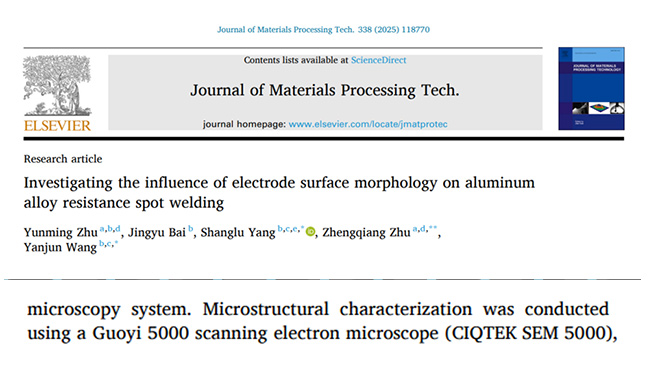
To address this challenge, Dr. Yang Shanglu's team at Shanghai Institute of Optics and Fine Mechanics conducted an in-depth study using the CIQTEK FESEM SEM5000. They innovatively designed a raised-ring electrode and systematically investigated the effect of ring number (0–4) on electrode morphology, revealing the intrinsic relationship between ring count, crystal defects in the weld nugget, and current distribution. Their results show that increasing the number of raised rings optimizes current distribution, improves thermal input efficiency, enlarges the weld nugget, and significantly extends electrode lifespan. Notably, the raised rings enhance oxide layer penetration, improving current flow while reducing pitting corrosion. This innovative electrode design provides a new technical approach for mitigating electrode wear and lays a theoretical and practical foundation for broader application of aluminum alloy RSW in the automotive industry. The study is published in the Journal of Materials Processing Tech. under the title “Investigating the Influence of Electrode Surface Morphology on Aluminum Alloy Resistance Spot Welding.

CIQTEK SEM: Raised-Ring Electrodes Boost Aluminum Welding

Raised-Ring Electrode Design Breakthrough

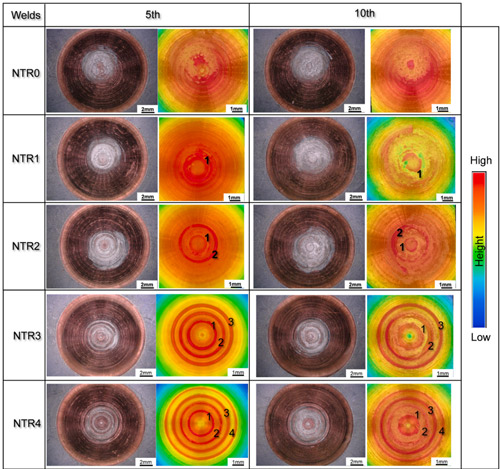
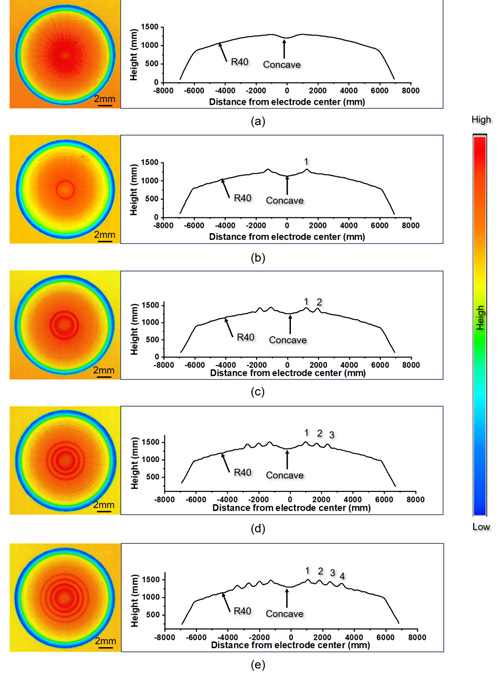
Facing the electrode wear challenge, the team approached the problem from electrode morphology. They machined 0 to 4 concentric raised rings on the end face of conventional spherical electrodes, forming a novel Newton Ring electrode (NTR).


Figure 1. Surface morphology and cross-sectional profile of the electrodes used in the experimentFigure 1. Surface morphology and cross-sectional profile of the electrodes used in the experiment


SEM Analysis Reveals Crystal Defects and Performance Enhancement

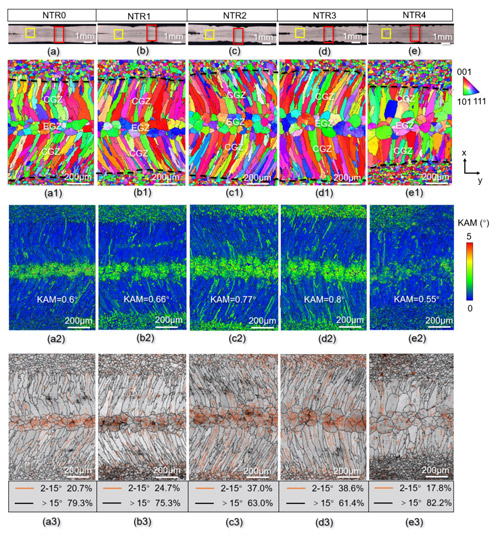
How do raised rings influence welding performance? Using the CIQTEK FESEM SEM5000 and EBSD techniques, the team characterized the microstructure of weld nuggets in detail. They found that the raised rings pierce the aluminum oxide layer during welding, optimizing current distribution, influencing heat input, and promoting nugget growth. More importantly, the mechanical interaction between raised rings and molten metal significantly increases the density of crystal defects, such as geometrically necessary dislocations (GNDs) and low-angle grain boundaries (LAGBs), within the weld nugget. Optimal performance was observed with three raised rings (NTR3).


Figure 2. EBSD analysis of weld nugget microstructure for NTR0, NTR1, NTR2, NTR3, and NTR4 electrodes

Figure 2. EBSD analysis of weld nugget microstructure for NTR0, NTR1, NTR2, NTR3, and NTR4 electrodes


Prolonged Electrode Life

Beyond improving weld quality, the raised-ring electrodes demonstrate outstanding anti-abrasion performance. After a 10-weld lifespan test, the difference in electrode wear was striking.


Figure 3. Electrode lifespan for NTR0, NTR1, NTR2, NTR3, and NTR4 electrodesFigure 3. Electrode lifespan for NTR0, NTR1, NTR2, NTR3, and NTR4 electrodes


Quantitative Analysis

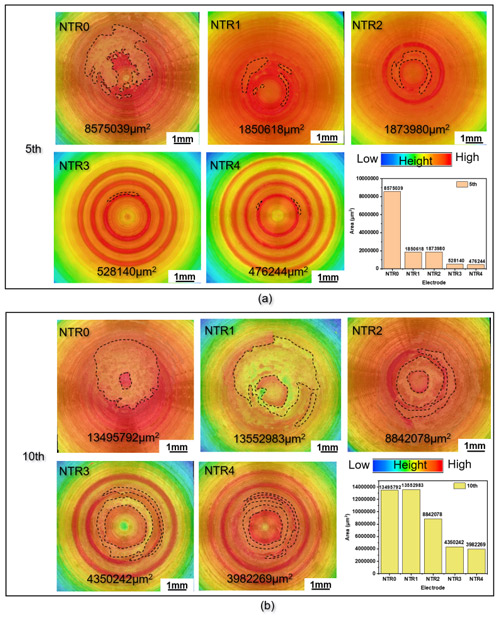
The NTR0 electrode without raised rings exhibited a wear area of 13.49 million μm².

In comparison, NTR3 and NTR4 electrodes with three and four raised rings reduced wear areas to 4.35 million μm² and 3.98 million μm², representing reductions of 67.8% and 70.5%, respectively.

The raised-ring structure concentrates current along the rings, guiding wear along predetermined paths and preventing random pit expansion, effectively doubling electrode lifespan.


Figure 4. Pitting area of NTR0, NTR1, NTR2, NTR3, and NTR4 electrodes after 5 and 10 welds: (a) 5th weld, (b) 10th weldFigure 4. Pitting area of NTR0, NTR1, NTR2, NTR3, and NTR4 electrodes after 5 and 10 welds: (a) 5th weld, (b) 10th weld、


Microanalysis of Electrode Pitting

Further SEM analysis of NTR0 electrodes after welding until adhesion to the aluminum sheet revealed a 10 μm-thick intermetallic compound (IMC) layer between the electrode and the sheet. This transition layer consists of two copper-containing sublayers:

Near the electrode: thinner sublayer with 29.2 at.% Cu (Al4Cu9 phase).

Near the aluminum alloy: thicker sublayer with 15.5 at.% Cu (AlCu2 phase).


Figure 5. Composition analysis of pitting between the electrode and the sheetFigure 5. Composition analysis of pitting between the electrode and the sheet


This study demonstrates that innovative electrode morphology can effectively regulate current distribution, improving weld quality while extending electrode life. CIQTEK FESEM microscope provided indispensable visualization and quantitative evidence of microscopic mechanisms, including crystal defect evolution and electrode pitting, highlighting the critical role of advanced characterization in advancing welding research and industrial applications.

Continue
CIQTEK Electron Microscopes See Rapid Growth in Italy

In the previous year, CIQTEK made significant progress in its European expansion, with Italy standing out as one of the most successful and dynamic markets.


CIQTEK SEM Installations Boost Presence in Italy

To date, nearly ten CIQTEK SEM microscopes have been delivered and installed across four regions in Italy, covering a full range of models from field-emission SEMs and advanced tungsten filament SEMs to entry-level SEM solutions. This milestone highlights CIQTEK’s comprehensive product capability and the growing trust of Italian users in its technology and service.


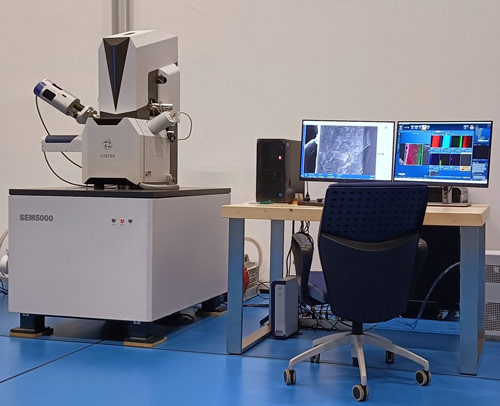
CIQTEK FESEM SEM5000 Installation in ItalyCIQTEK FESEM SEM5000 Installed at a Research Institute in Italy


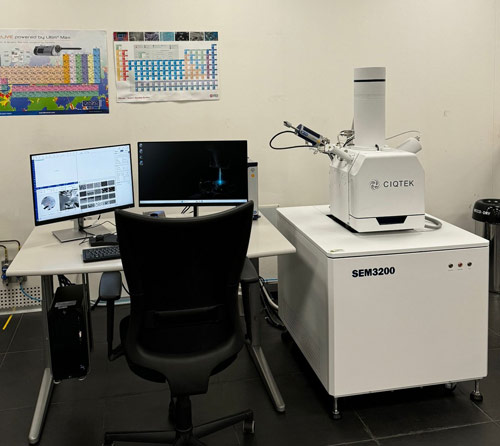
CIQTEK Tungsten Filament SEM3200 Installation in ItalyCIQTEK Tungsten Filament SEM3200 Installed at a Research Institute in Italy


Italian Researchers Praise CIQTEK SEM Performance

Although CIQTEK is a relatively new brand to many European users, its electron microscopes have quickly earned recognition for their outstanding performance, reliability, and value. Italian customers have given highly positive feedback, highlighting excellent imaging quality, stable system operation, user-friendly software, and strong cost efficiency. They also praised the company’s technical support team for its prompt responses and professional service throughout the installation and training.


Media System Lab: CIQTEK’s Trusted Italian Partner

This achievement would not have been possible without the dedication of CIQTEK’s Italian partnerMedia System Lab S.r.l. The team has provided professional and fully Italian-language support, ensuring smooth communication and helping local users fully understand the performance and advantages of CIQTEK electron microscopes.


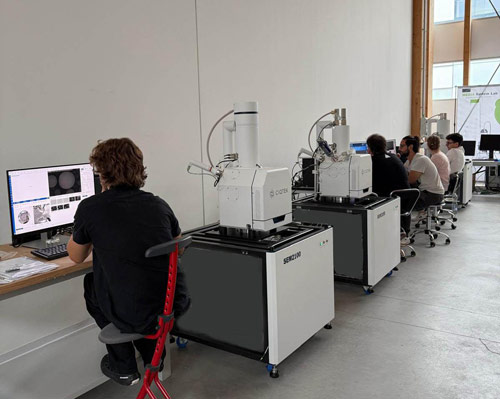
Media System Lab team performing pre-installation testing for the SEMs at its factory in RoveretoMedia System Lab team performing pre-installation testing for the SEMs at its factory in Rovereto


Founded in 1998, Media System Lab S.r.l. is a leading Italian partner in electron microscopy, providing comprehensive solutions from compact tabletop SEMs to high-performance FESEM, TEM, and dual-beam FIB systems. With two offices totaling over 1,000 m², including a 400 m² demo laboratory in Rovereto, the team excels in pre-installation assessments, system integration, on-site training, maintenance, and supply of accessories and consumables. Through their MS Academy Lab platform and hands-on sessions, Media System Lab delivers professional training to microscopy experts, ensuring Italian and European laboratories fully realize the performance and advantages of advanced microscopy solutions.


Advancing CIQTEK’s Strategic Expansion in Europe

With increasing installations and positive feedback from users, Italy has become a key market that demonstrates CIQTEK’s ability to meet the high expectations of European researchers and industries. Beyond Italy, CIQTEK now has authorized distributors, demo centers, and delivered instruments in the UK, France, Germany, Spain, Portugal, Romania, and other European countries. The company plans to continue expanding its local service and support network, bringing advanced electron microscopy solutions to more laboratories across the continent and strengthening its presence throughout Europe.

Continue
HUABAO AI Dashcams Reshaping the Safety and Management Ecosystem for Commercial Vehicles

In the commercial vehicle sector, safe operation and efficient management are the foundation of sustainable business growth. Whether it's ensuring cargo security in long-haul freight, protecting drivers and passengers in passenger transport, or maintaining operational standards for engineering vehicles, a smart monitoring solution tailored to real-world needs is essential.


With years of expertise in the in-vehicle video industry, HUABAO has developed customized AI dashcams specifically designed for commercial vehicle applications. These intelligent devices are transforming fleet management by delivering scenario-based solutions that help businesses reduce costs, improve efficiency, and enhance safety across the entire operational chain.


Our AI dashcams are precisely adapted to meet the unique demands of different commercial vehicle scenarios. For long-haul freight, the system monitors driver behavior in real time—detecting fatigue, distraction, and other risky actions—and provides instant alerts to prevent accidents. At the same time, it records the full transportation process, helping to prevent theft or damage and providing solid evidence in case of disputes.


In public transport and passenger fleet operations, the AI dashcam enables accurate passenger flow analysis and monitors interactions between drivers and passengers. Integrated with a remote fleet management platform, this data supports smarter scheduling, improves route efficiency, and enhances overall passenger safety.

For special-purpose vehicles such as engineering and sanitation trucks, our customized multi-angle AI dashcams eliminate blind spots, monitor operational procedures, and record vehicle conditions in real time. This ensures compliance with safety standards and supports timely maintenance, reducing downtime and extending vehicle life.


As a technology-driven company based in Shenzhen, we understand that every commercial vehicle operation is unique. That’s why we go beyond standardized products to offer full-cycle, high-level customization—from hardware configuration to software functionality. Whether it’s adjusting the installation method to suit specific vehicle models, developing exclusive data modules for fleet management, or customizing branding and UI interfaces, our professional team ensures your exact needs are met.

In addition, we offer mature OEM services, providing end-to-end support from product development and prototyping to mass production. With strict quality control and reliable delivery schedules, we help our partners bring customized solutions to market quickly and efficiently.

Guided by the principle of “scenario adaptation and customer empowerment,” HUABAO has delivered tailored AI dashcam solutions to enterprises in logistics, passenger transport, engineering, and more. By combining deep industry knowledge with flexible service models, we help businesses build safer, smarter, and more efficient operations.

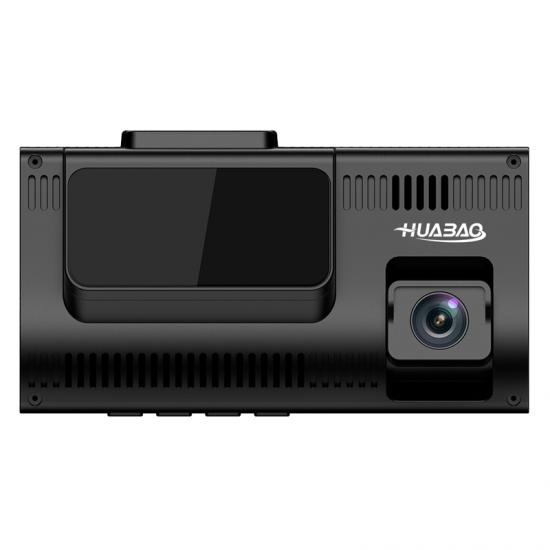
4-Channel Dashcam

Looking ahead, we remain committed to technological innovation and will continue to work closely with commercial vehicle enterprises to develop more targeted in-vehicle video solutions. Together, we aim to build a safer, more efficient, and intelligent operational ecosystem—powered by AI dashcam technology.

To learn more about our customized solutions or explore OEM cooperation opportunities, please contact us today. Let HUABAO AI dashcams safeguard your fleet and drive your business forward.


Continue
Discover the Future of Connectivity WAIN Electric Awaits You at SPS 2025, Nuremberg


[Nuremberg, Germany] – [November 25-27, 2025]​ – WAIN Electric is thrilled to announce its participation at SPS 2025. We cordially invite industry professionals, partners, and clients to visit us at our booth from November 25-27, 2025, in Nuremberg, Germany.

Plan Your Visit:
  • Event:​ SPS 2025
  • Dates:​ November 25-27, 2025
  • Location:​ Nuremberg Exhibition Centre, Germany
  • Our Booth:​ Hall 10.0, Booth 320
  •  

Continue
How Much Does an EPR Spectrometer Cost? Complete Price Guide for Researchers

Understanding EPR Spectrometer Prices

When planning an EPR spectrometer purchase, one of the most common questions is how much it costs. Prices vary depending on system type, sensitivity, temperature control, and automation. By understanding what factors influence cost, labs can make informed decisions for upgrades or new installations.


Typical Price Ranges

Benchtop and Compact EPR Systems

Price range: USD 30,000 to 90,000
These systems are ideal for teaching, routine analysis, quality control, and research with moderate field strength and spectral resolution requirements. Features often include permanent magnets, limited variable temperature range, simplified user interface, smaller footprint, and lower power consumption. Typical applications include materials quality checks, polymer stabilization studies, and catalysis screening.


Research-Grade X-Band EPR Systems

Price range: USD 150,000 to 500,000
Research-grade systems are widely used in chemistry, physics, materials science, and life sciences. Key factors influencing price include magnet type, bridge sensitivity, temperature control, resonator choice, and automation software. Labs upgrading from older models usually see price increases when adding low-temperature capabilities or high-sensitivity resonators.


High-Frequency and Pulsed EPR Systems

Price range: USD 500,000 to 1,500,000
High-frequency and pulsed systems offer enhanced sensitivity and time-resolution performance. Microwave stability, resonator design, cryogenic options, and power amplification influence price. These systems are used for advanced research, including spin dynamics and radical pair mechanisms.


Factors That Affect EPR Cost

Magnet architecture influences field stability and sweep range. Permanent magnets are cost-effective, while superconducting or electromagnets increase price.

Temperature control adds cost depending on the N₂ or He variable temperature options. Helium cryostats increase initial and maintenance expenses.

Microwave bridge and resonator sensitivity are major cost drivers. Higher sensitivity components can raise system price by tens of thousands of dollars.

Automation and software reduce experiment time and training requirements. Modern systems with guided workflows are valuable for multi-user labs.

Service and upgrades should be considered in the total ownership cost. Older systems may have discontinued parts and higher maintenance expenses.


Example Lab Budget

A materials lab studying catalytic radicals at liquid nitrogen temperatures may consider two options. A base X-band system with nitrogen variable temperature costs roughly USD 180,000 to 260,000. Adding helium variable temperature and a high-sensitivity resonator can raise cost to USD 300,000 to 450,000. Many labs choose a staged investment approach to optimize performance and budget.


Why CIQTEK Offers Competitive EPR Solutions

As more researchers compare suppliers, many are finding that modern instrument design can deliver high-end sensitivity at more accessible budgets.

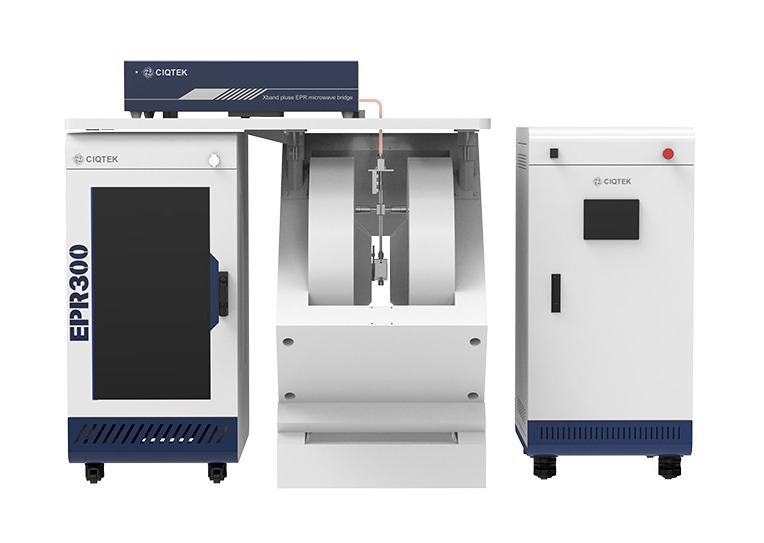
CIQTEK X-band EPR systems provide high performance at a competitive price. They feature high-sensitivity resonators, stable microwave bridges, nitrogen and helium variable temperature compatibility, and user-friendly interfaces. Labs upgrading from legacy EPR systems benefit from modern electronics architecture, lower maintenance, and faster delivery.

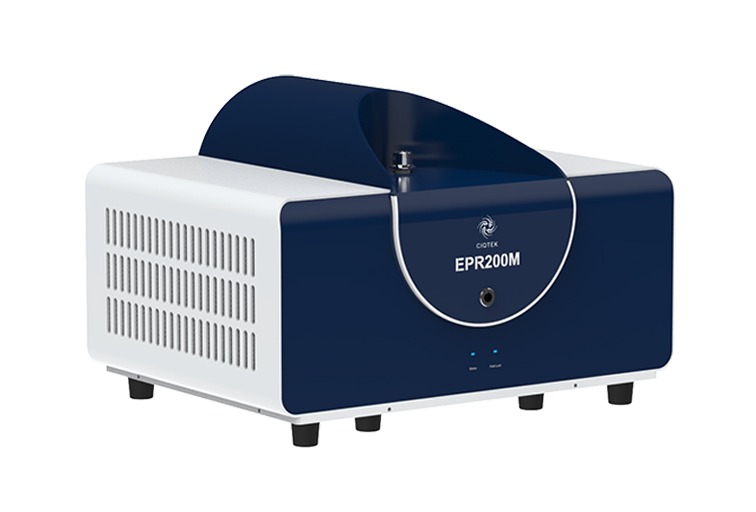
CIQTEK benchtop EPR systems are portable, easy to use, and affordable. Compact permanent magnet design, high signal stability, and desktop-friendly operation allow teaching labs and quality control facilities to adopt EPR without large-scale infrastructure or high maintenance costs.


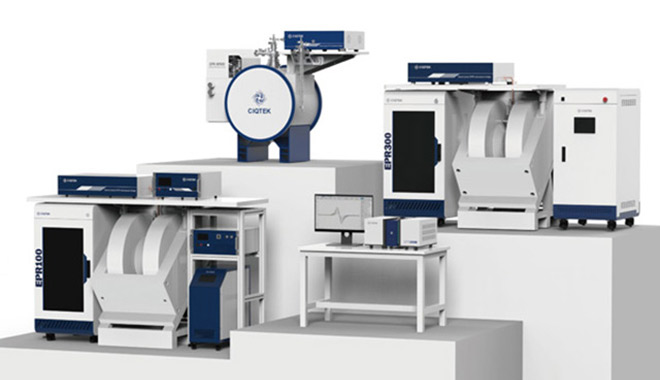
CIQTEK EPR Series


Choosing the Right EPR System

EPR spectrometer costs vary, but the right choice depends on frequency band, temperature requirements, sensitivity needs, upgrade plans, and service budgets. Modern systems, especially CIQTEK EPR solutions, make advanced EPR more accessible, providing high sensitivity and reliable low-temperature operation at reasonable prices.

Continue
How Much Does an Entry-Level EPR Spectrometer Really Cost?

What Counts as an Entry-Level EPR Spectrometer?

Entry-level EPR spectrometers are designed for users who need reliable spectral identification and routine measurement capability without the complexity or cost of a full research-grade system. These instruments are widely used in teaching laboratories, industrial QC environments, polymer studies, radiation dosimetry, food chemistry analysis, and many early-stage research projects.

Most entry-level systems fall into two categories:
compact benchtop EPR instruments and simplified continuous-wave X-band systems with basic temperature control. Both prioritize usability, low maintenance, and accessible pricing.


Typical Price Range for Entry-Level EPR Systems

Current market data from universities, industrial labs, and instrument tenders suggests a realistic range:

Benchtop EPR Instruments

Price range: USD 30,000 to 60,000

These compact systems often use permanent magnets, require minimal installation, and support everyday applications such as radical detection, antioxidant capacity evaluation, and polymer degradation studies. For many labs, this price level is sufficient to establish EPR capability quickly and sustainably.

ciqtek benchtop epr

Benchtop EPR


Simplified Entry-Level X-Band CW EPR Systems

Price range: USD 70,000 to 150,000

These instruments provide stronger magnetic fields, better spectral resolution, optional variable-temperature operation, and broader research potential. They are suitable for users who expect to grow into more advanced EPR studies but need a cost-conscious starting point.

The most substantial price differences are usually linked to magnet configuration, resonator sensitivity, and whether temperature control is included.

ciqtek X-Band CW-EPR SpectrometerX-Band CW-EPR Spectrometer


What Features Should You Expect at This Price Level?

Essential Capabilities

  • Clear detection of common radicals

  • Stable magnetic field sweep

  • User-friendly software suitable for training and multi-user environments

  • Minimal facility requirements

Nice-to-Have Upgrades

  • Nitrogen variable temperature unit

  • Higher quality resonator to improve signal-to-noise

  • Automated tuning to support inexperienced users

What You Typically Do Not Get

  • Helium cryostats

  • Pulsed EPR capabilities

  • High-frequency bands such as Q-band

Entry-level systems are optimized for reliability and convenience rather than advanced spin dynamics or time-resolved experiments.


Example Purchase Scenario

A teaching lab looking to introduce students to EPR fundamentals may only require a compact benchtop system priced between USD 35,000 and 50,000.
A small materials research group investigating polymer aging or catalysts may consider a higher sensitivity entry-level X-band CW EPR system, typically between USD 90,000 and 130,000.

In many cases, labs choose to start with an affordable system and then expand later as applications grow.


Why CIQTEK’s Entry-Level EPR Portfolio Stands Out

As more institutions adopt EPR, many look for systems that balance price with genuine scientific capability. CIQTEK offers two attractive paths for new users.

CIQTEK Benchtop EPR: Compact, Stable, and Accessible

This system is built for users who need straightforward spectral identification with high stability. Key advantages include:

  • Permanent magnet design with excellent field uniformity

  • High signal stability suitable for routine measurements

  • Clean, intuitive software ideal for training labs

  • A footprint that fits on a standard laboratory table

Many universities select this model as their first EPR instrument because installation is simple and maintenance costs remain low.

CIQTEK X-Band CW EPR: Research Potential with Affordable Budget

For labs that want a more advanced platform while keeping costs under control, CIQTEK provides an entry-level X-band CW system that includes:

  • High-sensitivity resonator design

  • Stable microwave bridge electronics

  • Optional nitrogen variable-temperature capability

  • Modern architecture without legacy components

This combination gives labs a long-term path to expand their EPR capabilities without immediately stepping into high-cost research systems.


Final Thoughts for First-Time Buyers

Entry-level EPR spectrometers are more capable today than ever. With a budget between USD 30,000 and 150,000, labs can secure dependable instruments for routine radical detection, teaching, and early-stage research. When evaluating systems, focus on usability, maintenance requirements, and upgrade options rather than price alone. Modern platforms such as CIQTEK’s benchtop and entry-level X-band systems provide an attractive balance of cost and capability, helping more researchers access EPR without heavy infrastructure or complex operation.

Continue
CIQTEK Hosts Italian Partner Media System Lab for Award Ceremony and Strategic Visit

CIQTEK was honored to welcome our esteemed Italian partner, Media System Lab, to CIQTEK for an inspiring visit and strategic collaboration. The visit marked another milestone in the strong partnership between the two companies, highlighting a shared commitment to advancing scientific innovation and excellence.


The journey began at CIQTEK Electron Microscopy Factory in Wuxi, where the Media System Lab team was deeply impressed by the scale, precision, and professionalism of CIQTEK’s electron microscopy production and R&D operations. They explored the full manufacturing process, witnessed the craftsmanship behind CIQTEK’s cutting-edge instruments, and gained first-hand insight into the company’s commitment to quality and innovation. Our technical experts also provided in-depth sessions on product knowledge and future development trends, further strengthening mutual understanding and trust.


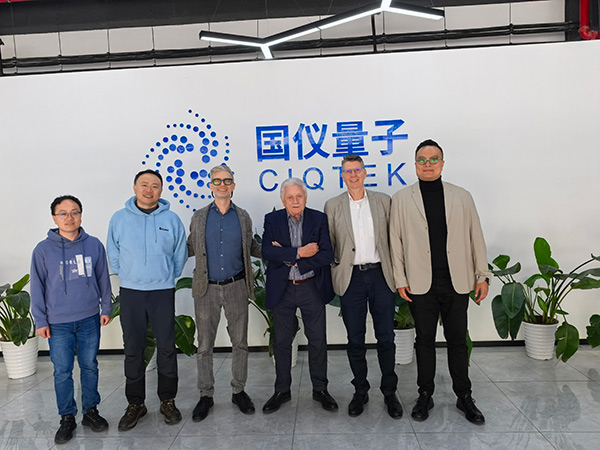
Group photo at the CIQTEK Electron Microscopy FactoryGroup photo at the CIQTEK Electron Microscopy Factory


Following the visit to CIQTEK Electron Microscopy Factory, the delegation traveled to CIQTEK's headquarters in Hefei, where both teams engaged in inspiring discussions on market promotion, customer engagement, and long-term strategies for expanding CIQTEK’s presence in Italy. The meetings involved Mr. Will Zhang, Head of the CIQTEK Electron Microscopy Business Group; Mr. Arvin Chen, Head of CIQTEK Overseas Business Group; and Mr. Yao, Head of the CIQTEK FIB PBU, fostering deeper alignment in technical support, service collaboration, and strategic planning.


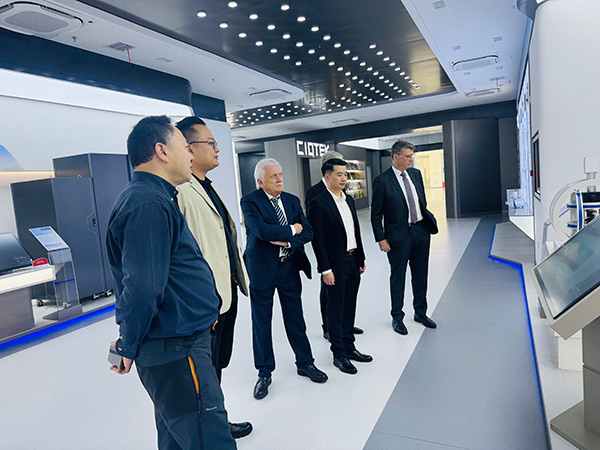
Showing Media System Lab around the CIQTEK Exhibition CenterShowing Media System Lab around the CIQTEK Exhibition Center


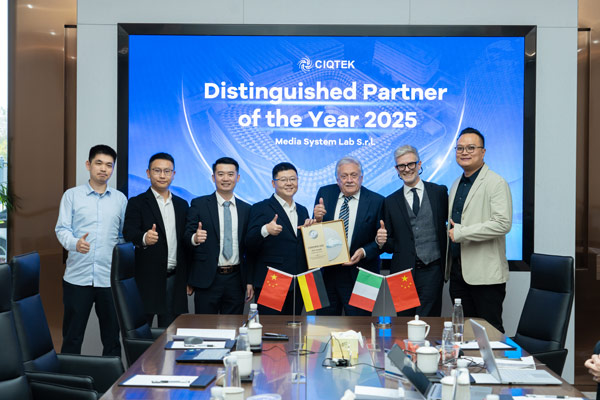
During the visit, CIQTEK CEO Dr. Yu He presented the "CIQTEK Distinguished Partner Award 2025" to Media System Lab, in recognition of their outstanding achievements, unwavering dedication, and exemplary performance. Over the past year, Media System Lab has played a key role in helping CIQTEK deliver nearly ten electron microscopes to Italian researchers and institutions, driving remarkable sales growth and significantly strengthening CIQTEK's brand presence and reputation in the local market.


CIQTEK Distinguished Partner Award 2025 CeremonyCIQTEK Distinguished Partner Award 2025 Ceremony


The visit not only celebrated Media System Lab's exceptional contributions but also highlighted CIQTEK's global vision, commitment to excellence, and dedication to empowering partners worldwide. Together, CIQTEK and Media System Lab will continue to expand the reach of CIQTEK’s electron microscopy solutions, enabling more laboratories across Italy, Europe, and beyond to achieve breakthrough research and technological advancements. This collaboration underscores a shared pursuit of scientific progress, innovation, and long-term success in the field of electron microscopy and beyond.

Continue
Home Archives