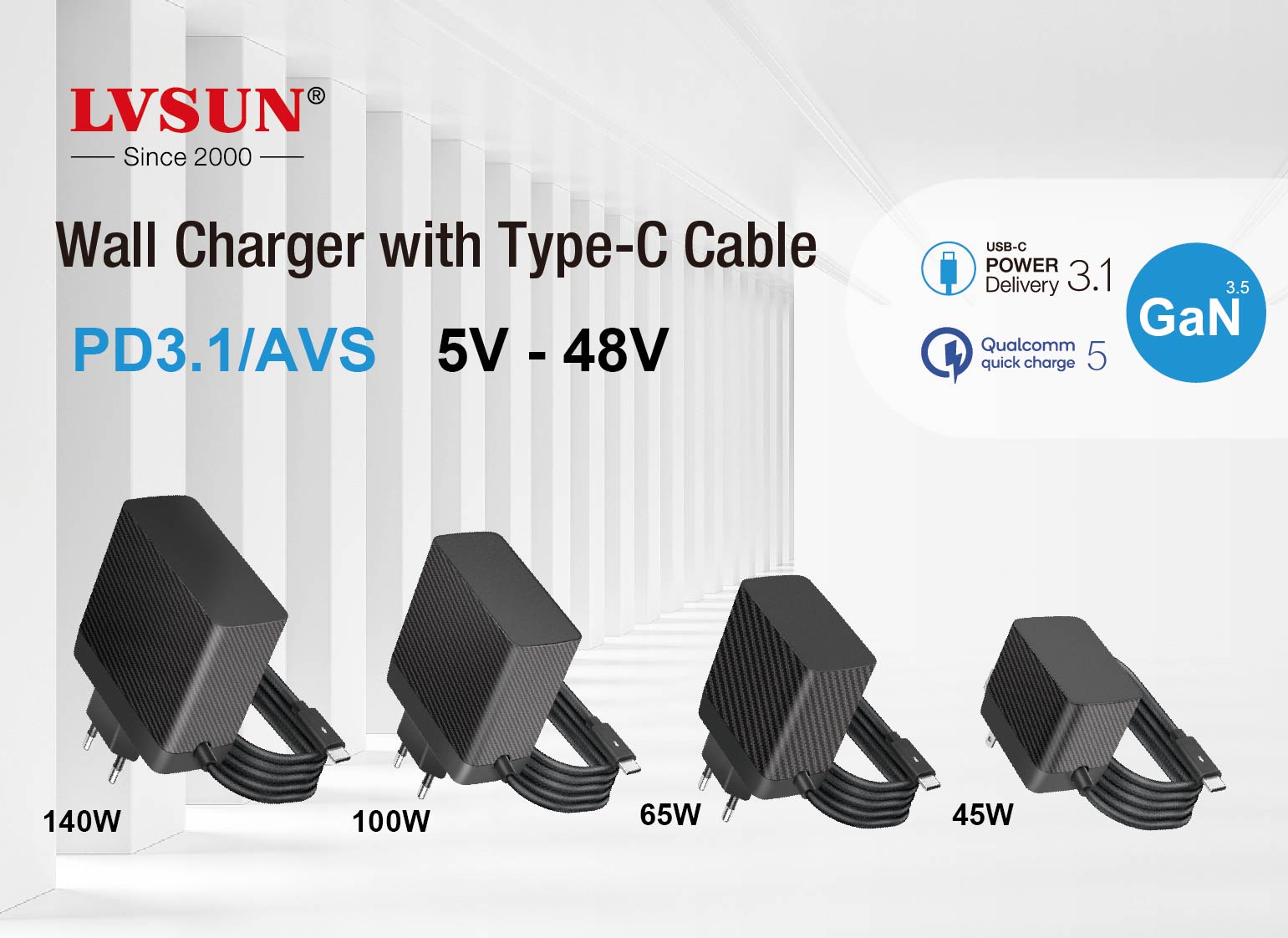
Newcomer Shines at the HK Global Sources Consumer Electronics Show LVSUN at Booth 6Q24

The Hong Kong AsiaWorld-Expo once again hosts the HK global consumer electronics showcase in October 2025. The Global Sources Consumer Electronics Show runs from October 11 to 14, bringing together innovative manufacturers and cutting-edge products from around the world. As a focal point in the industry, the expo offers buyers and media a one-stop stage to explore the latest smart devices, home tech, wearables, and mobile peripherals. Shenzhen LVSUN Electronics Technology Co., Ltd. is a noteworthy exhibitor, unveiling its latest product lines in Hong Kong. The booth number is 6Q24, and the team looks forward to face-to-face discussions on the newest technology trends and application scenarios.

LVSUN has long been known for its cost-effective charging application solutions. At booth 6Q24, the company will present several key new USB-C charger products and upgraded versions of mature series. The exhibiting team will conduct live demonstrations of core features, interoperability, and real-world applications to help buyers quickly assess market fit and mass-production capabilities. During the show, visitors can experience LVSUNs innovative design, high reliability, and globally coordinated supply chain in person.


If you plan to visit the Asia-World Expo, please note the event dates: October 1114, at Hong Kong Asia-World Expo. It is advisable to pre-locate 6Q24 on the venue map and schedule meetings with the LVSUN team to maximize communication efficiency.

Continue
Powering the Future of Charging LVSUN at GESS DUBAI 2025

GESS DUBAI 2025 is about to kick off. We will be at LVSUN booth H22 from November 1113, showcasing our latest products and solutions for the charger industry. This exhibition is not only an ideal stage for new product launches but also a valuable opportunity to gain deep insights into global charging technology trends and industry needs. No matter who you are, we look forward to connecting with you on-site to share our practical experiences in the rapidly expanding charging ecosystem, helping you enhance product performance, reduce total cost of ownership, and accelerate time to market. 

500W 20 Ports USB-C Phone Charging Cabinet

During the show, LVSUN will present key technologies and solutions for the charger industry, focusing on improving efficiency, voltage and current stabilization, thermal management, and safety. You will see:

1. Real-world applications of efficient charging modules and new power management solutions.

2. Customizable solutions for portable USB-C charging devices and fast-charging adapters.

3. A modular, scalable ecosystem with seamless integration with existing systems.


The on-site team in the exhibition area will also share standardized charging industry processes, testing methods, and best practices to help you advance more efficiently through development, certification, and mass production.


Continue
UV-C Charging Cabinet A Safe and Efficient Centralized Solution for Multi-Device Charging and Disinfection

In healthcare, education, retail, warehousing, and office environments, the Safe-IT Multi-Device UV USB-C Charging Cabinet offers a hospital-grade solution for securely charging, organizing, and sanitizing up to 10 USB-C devices, including laptops and Chromebooks. With up to 1000W of power across 10 USB-C ports, it delivers fast, centralized charging to meet the needs of varied devices and users.


A core highlight is the built-in UV-C disinfection capability. The ultraviolet lights disinfect devices between uses without heat or chemicals, reducing cross-contamination risks. The sanitization occurs quickly, allowing devices to be ready for the next user without long downtime, making it especially suitable for hospital corridors, laboratories, classrooms, and office areas with high device usage.

Multi-Device UV USB-C Charging Cabinet

From an application perspective, this UV-C charging cabinet covers a wide range of use cases. Whether in patient areas of hospitals, classrooms on campuses, training centers, front-desk zones in retail stores, or daily device management in warehouses and offices, the 10-port centralized charging design provides stable power and efficient organization. It helps teams quickly locate and access the devices they need, improving workflow and safety.


In short, Safe-ITs multi-device UV-C charging cabinet not only completes the “charging-organizing-disinfection” trifecta but also adheres to hospital-grade safety standards, offering a reliable USB-C charging solution for education, healthcare, and business. Whether for everyday classroom devices or work environments with stringent hygiene requirements, this cabinet can be the central hub for centralized charging and disinfection management.

Continue
What’s a popular 1000W USB-C charging station?

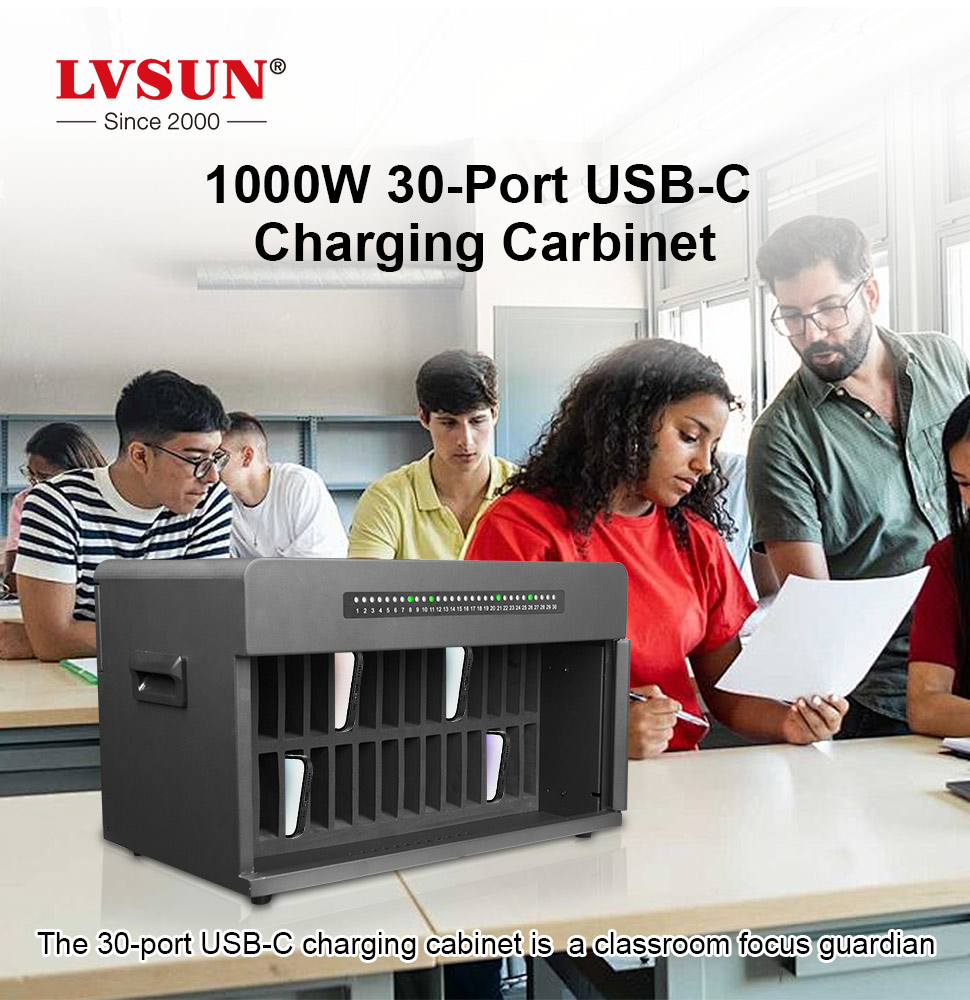
LVSUNs 1000W USB-C charger stands out as a flexible, high-density charging solution with three kinds of port configurations20-port, 16-port, and 10-porteach delivering up to 100W per port. With intelligent power distribution and automatic device detection, it maximizes total available power while ensuring safe, efficient charging for multiple devices simultaneously.

1000W 16-Port USB-C Charging Dock

Designed for varied environments, this industrial USB charger excels in both professional workstations and dispersed charging setups. The 1000W USB-C charging station’s modular port layouts accommodate shifting needsfrom a centralized office hub to classroom or library stationsdemonstrating that more ports translate to greater charging flexibility across scenarios.


Key benefits include high per-port output, smart allocation, and robust protection mechanisms. The automatic device recognition minimizes configuration hassles, while advanced safety features safeguard devices during rapid charging, long sessions, and high-density deployments.


Targeting education, public spaces, healthcare, government, and training facilities, LVSUNs 1000W multiple USB-C charger enables scalable, centralized charging management. Whether youre optimizing a busy campus, a transit hub, or a government office, you can deploy a model that meets daily charging needs with reliability and ease.


Continue
CIQTEK SEM and EPR Reveal a New Pathway for Nickel-Citrate Removal

With the rapid expansion of new energy, mining, metallurgy, and electroplating industries, nickel pollution in water bodies has become a growing threat to environmental quality and human health. During industrial processes, nickel ions often interact with various chemical additives to form highly stable heavy-metal organic complexes (HMCs). In nickel electroplating, for example, citrate (Cit) is widely used to improve coating uniformity and brightness, but the two carboxyl groups in Cit readily coordinate with Ni²⁺ to form Ni–Citrate (Ni-Cit) complexes (logβ = 6.86). These complexes significantly alter nickel’s charge, steric configuration, mobility, and ecological risks, while their stability makes them challenging to remove with conventional precipitation or adsorption methods.

Currently, "complex dissociation" is regarded as the key step in removing HMCs. However, typical oxidation or chemical treatments suffer from high cost and complicated operation. Therefore, multifunctional materials with both oxidative and adsorptive capabilities offer a promising alternative.

Researchers from Beihang University, led by Prof. Xiaomin Li and Prof. Wenhong Fan, used the CIQTEK scanning electron microscope (SEM) and electron paramagnetic resonance (EPR) spectrometer to conduct an in-depth investigation. They developed a new strategy using KOH-modified Arundo donax L. biochar to efficiently remove Ni-Cit from water. The modified biochar not only showed high removal efficiency but also enabled nickel recovery on the biochar surface. The study, titled “Removal of Nickel-Citrate by KOH-Modified Arundo donax L. Biochar: Critical Role of Persistent Free Radicals”, was recently published in Water Research.


CIQTEK SEM & EPR Reveal a New Pathway for Nickel-Citrate Removal


Material Characterization

Biochar was produced from Arundo donax leaves and impregnated with KOH at different mass ratios. SEM imaging (Fig. 1) revealed:

  • The original biochar (BC) exhibited a disordered rod-like morphology.

  • At a 1:1 KOH-to-biomass ratio (1KBC), an ordered honeycomb-like porous structure was formed.

  • At ratios of 0.5:1 or 1.5:1, pores were underdeveloped or collapsed.

  • BET analysis confirmed the highest surface area for 1KBC (574.2 m²/g), far exceeding other samples.

SEM and BET characterization provided clear evidence that KOH modification dramatically enhances porosity and surface area—key factors for adsorption and redox reactivity.


Figure 1. Preparation and characterization of KOH-modified biochar.Figure 1. Preparation and characterization of KOH-modified biochar.


Performance in Ni-Cit Removal

Figure 2Figure 2.
(a) Removal efficiency of total Ni by different biochars;
(b) TOC variation during Ni–Cit treatment;
(c) Effect of Ni–Cit concentration on the removal efficiency of 1KBC;
(d) Effect of pH on the removal performance of 1KBC;
(e) Influence of coexisting ions on Ni–Cit removal by 1KBC;
(f) Continuous-flow removal performance of Ni–Cit by 1KBC.
(Ni–Cit = 50 mg/L, biochar dosage = 1 g/L)


Batch experiments demonstrated strong removal performance:

  • At 50 mg/L Ni-Cit and 1 g/L material dosage, 1KBC removed 99.2% of total nickel within 4 hours, compared to 32.6% for BC.

  • TOC removal reached 31% for 1KBC, confirming that Ni-Cit undergoes complex dissociation followed by Ni²⁺ adsorption.

  • Even at 100 mg/L Ni-Cit, the removal efficiency remained above 93%.

  • 1KBC maintained excellent performance across a wide pH range (pH > 5).

  • Phosphate significantly inhibited removal due to solution acidification and competitive complexation with Ni²⁺.

  • In continuous-flow tests, a 1KBC-packed fixed-bed reactor operated for 6900 minutes, treating 460 bed volumes, while maintaining effluent Ni < 0.5 mg/L.


Post-Treatment Material Characterization

Figure 3. Morphology and EDS comparison of the material before (a) and after (b) Ni–Cit removal; (c) XPS spectra of surface Ni 2p after the removal process.Figure 3. Morphology and EDS comparison of the material before (a) and after (b) Ni–Cit removal;
(c) XPS spectra of surface Ni 2p after the removal process.


Recovered biochar (R1KBC) showed:

  • No significant morphological changes.

  • Uniform Ni distribution confirmed by EDS mapping.

  • XPS spectra displayed both Ni²⁺ and Ni³⁺ peaks, direct evidence of oxidative complex dissociation.


EPR-Based Identification of ROS

Figure 4. EPR measurementsFigure 4. EPR measurements:
(a) TEMP-trapped ¹O₂ generated by biochar;
(b, c) BMPO-trapped •OH and O₂•⁻ generated by biochar;
(d) Hyperfine splitting fitting analysis of the 1KBC signal in panel (c).


Using the CIQTEK EPR spectrometer, the team identified reactive oxygen species (ROS) generated on the biochar surface:

  • ¹O₂: strong TEMP–¹O₂ triple signal (1:1:1, AN = 17.32 G) observed only in 1KBC.

  • OH: BMPO–•OH quartet detected in both BC and 1KBC, but much stronger in 1KBC.

  • O₂•⁻: identified through BMPO–•OOH signals in methanol-containing systems.

1KBC produced significantly higher levels of ¹O₂, •OH, and O₂•⁻ than BC, confirming the enhanced redox activity induced by KOH modification.


Free Radical Quenching Experiments

Figure 5.Figure 5.
(a) Effect of ¹O₂; (b) •OH; and (c) O₂•⁻ on Ni–Cit removal efficiency;
(d) Inhibition rates of different ROS on Ni–Cit removal.


By introducing quenchers, FFA (¹O₂), p-BQ (O₂•⁻), and methanol (•OH)—the team quantified the contributions of different ROS:

O₂•⁻ inhibition (55%) > ¹O₂ inhibition (17%) > •OH inhibition (12%)

This ranking indicates that O₂•⁻ plays the dominant role in Ni-Cit degradation and complex dissociation.


Role of PFRs and ROS Generation Mechanism

Figure 6.Figure 6.
(a) Detection of surface PFRs in biochar;
(b) Effect of PFR quenching on Ni–Cit removal by biochar;
(c) ¹O₂, (d) •OH, and (e) O₂•⁻ signals in 1KBC and TEA-treated samples;
(f) Schematic of ROS transformation pathways.


Persistent free radicals (PFRs) in biochar are closely linked to ROS formation. EPR results showed:

  • 1KBC exhibited much higher PFR concentration than BC.

  • PFRs had a g-value of 2.0034, characteristic of carbon-centered radicals adjacent to oxygen (e.g., phenoxy radicals).

  • Triethylamine (TEA) effectively quenched PFRs, reducing Ni-Cit removal efficiency to ~50% and drastically lowering ROS levels.

The mechanism (Fig. 6f):

  • Dissolved oxygen adsorbs onto the biochar surface.

  • PFRs transfer electrons to O₂, forming O₂•⁻.

  • O₂•⁻ initiates complex dissociation; subsequent ROS degrade the citrate ligand.


DFT Calculations and Mechanistic Insights

Figure 7.Figure 7.
(a) Optimized structure of Ni–Cit;
(b) Electrostatic potential (ESP) map;
(c) HOMO; (d) LUMO;
Fukui function isosurfaces of Ni–Cit:
(e) f⁻, (f) f⁺, (g) f⁰, (h) condensed dual descriptor (CDD), and (i) Fukui indices;
(j) Proposed degradation pathways of Ni–Cit.


Density functional theory (DFT) calculations clarified the molecular reaction pathways:

  • Frontier molecular orbital and Fukui function analysis revealed that the Ni center is prone to nucleophilic attack, while the citrate ligand undergoes electrophilic reactions.

  • O₂•⁻, with its strong nucleophilicity, targets the Ni center, breaking the Ni–Cit coordination.

  • Citrate ligands degrade through two ROS-mediated pathways.

These theoretical results align with EPR findings and support the proposed mechanism.


KOH-modified biochar (1KBC) achieved 99.2% Ni removal from 50 mg/L Ni-Cit solution within 4 hours. The modification significantly enhanced porosity, surface functionality, and, critically, the concentration of persistent free radicals. These PFRs activated dissolved oxygen to generate ROS, among which O₂•⁻ acted as the primary species driving Ni-Cit dissociation. Subsequent ROS degraded the citrate ligand, while released Ni²⁺ was adsorbed onto the biochar.

This study demonstrates a sustainable "one-step dissociation and recovery" approach for treating metal–organic complexes, offering strong potential for future real-world applications.

Continue
The Future of Wearable Technology M01 Smart Glasses

In a world where technology and fashion are constantly evolving, the M01 Smart Glasses are setting a new standard for wearable devices. Combining high-quality audio with cutting-edge features, these smart glasses are designed to enhance your lifestyle while keeping you connected and comfortable.


The M01 Smart Glasses feature an innovative open-ear design, allowing you to enjoy music and take calls without blocking your ears. Using air conduction technology, they transmit sound through your cheekbones, ensuring you remain aware of your surroundings while enjoying crisp, clear audio. With Bluetooth calling and integrated noise reduction, the M01 makes hands-free communication a breeze.


These glasses are also equipped with an IP68 waterproof and dustproof rating, making them ideal for outdoor activities, rain or shine. Whether you’re running, hiking, or caught in the rain, the M01 Smart Glasses are built to withstand the elements, ensuring reliable performance all day long.


The M01 is also designed for ultimate comfort, with lightweight materials and an ergonomic fit. With up to 24 hours of battery life, they keep you connected and entertained from morning until night. Whether you’re navigating your day or enjoying your favorite music, the M01 Smart Glasses offer a seamless, stylish solution for all your needs.


Ready to embrace the future of audio and wearables? The M01 Smart Glasses offer a perfect blend of innovation, durability, and comfort—ideal for anyone looking to stay ahead of the curve.

Continue
CIQTEK and LASystems Exhibit EPR Solutions at SEST 2025, Japan

CIQTEK, together with its Japanese distributor LASystems, participated in the 64th Annual Meeting of the Society of Electron Spin Science and Technology (SEST 2025)held from November 21 to 23, 2025, in Kiryu, Gunma Prefecture, Japan.


At the event, CIQTEK and LASystems presented CIQTEK’s comprehensive Electron Paramagnetic Resonance (EPR) product portfolio, including CW EPRBenchtop EPR, and Pulse EPR systems. These instruments are widely recognized for their high sensitivity, excellent field stability, and user-oriented design. They support a broad range of applications in spin chemistry, materials research, catalysis, batteries, and biological radical studies.


CIQTEK and LASystems Exhibit EPR Solutions at SEST 2025, Japan


During SEST 2025, many researchers visited the booth to learn about CIQTEK’s technical advantages, such as precise magnetic field control, stable microwave frequency performance, flexible variable-temperature configurations, and advanced pulse sequence capabilities. The event provided an opportunity for in-depth discussions on experimental workflows and potential collaborations.


CIQTEK has established a strong global presence in the EPR field. More than 200 EPR spectrometers have been delivered to research institutions across Asia, Europe, the Americas, etc. The instruments have supported the publication of over 170 scientific papers, including studies featured in NatureScience, and other leading journals. This growing body of research demonstrates the reliability and scientific value of CIQTEK’s EPR technology.


CIQTEK will continue strengthening its partnership with LASystems to bring high-performance EPR solutions and localized support to researchers throughout Japan.

Continue
How to Calculate and Choose the Right Power Supply for Your LED Strip Lights?

Selecting the right power supply for your LED strip lights is one of the most critical steps in any lighting installation. The power supply determines not only whether your LED strips perform optimally, but also how long they last and how much energy they consume. Many lighting failures and flickering issues stem from incorrect wattage calculation or unstable voltage output.

High-intensity cool white flexible LED strip

1. Understanding Power Supply Basics

LED strip lights operate on low DC voltage—typically 12V or 24V. The power supply (often called an LED driver) converts AC mains voltage (like 110V or 220V) into a steady DC output.

To choose the right one, you must calculate total power demand (W), current (A), and voltage (V) requirements.

Parameter Symbol Description
Voltage V Operating voltage of the strip (12V / 24V)
Current A Flow of electric charge (amps)
Power W Energy consumption (watts = volts × amps)
Length M Total length of LED strip used


2. Step-by-Step Power Calculation

Let’s use a 240 LEDs/m LED Strip Light as an example.

Step 1: Identify the Rated Power per Meter

Manufacturers usually list power consumption like 19.2W/m or 24W/m.
Let’s assume your LED strip uses 20W/m at 24V.

Step 2: Multiply by the Total Length

If your project requires 5 meters:

20W/m × 5m = 100W total power

Step 3: Add a Safety Margin

Always add 20–30% extra capacity to prevent overload and heat stress:

100W × 1.25 = 125W minimum power supply

So, you’ll need a 24V / 125W (≈5.2A) power supply.

Parameter Value
Strip Voltage 24V DC
Power per Meter 20W
Length 5m
Total Power 100W
Safety Factor +25%
Recommended Power Supply 125W (5.2A)


3. Voltage Drop and Efficiency Factors

For long runs (over 5m), voltage drop can cause visible brightness reduction toward the end of the strip. To prevent this:

  • Use thicker wires or feed power from both ends.

  • Choose 24V strips instead of 12V for better stability.

  • Split long strips into sections, each powered by its own connection.

Wire Length Recommended Wire Gauge (AWG)
<2m 20 AWG
2–5m 18 AWG
5–10m 16 AWG


4. Example: RGB LED Strip Power Calculation

For an Energy Saving RGB LED Strip Light, each color channel (R, G, B) consumes power.
A typical 24V RGB strip might draw 7.2W/m per color, totaling 21.6W/m.

Let’s say you install 10 meters:

21.6W/m × 10m = 216W 216W × 1.2 = 259W recommended power supply

So, you’ll need a 24V / 260W (≈10.8A) power supply.

Parameter Value
Strip Type Energy Saving RGB LED Strip Light
Voltage 24V DC
Power per Meter 21.6W
Length 10m
Total Power 216W
Safety Margin 20%
Recommended PSU 260W / 10.8A


5. Key Considerations Before Purchase

✅ Check Output Voltage — Match 12V or 24V exactly.
✅ Choose Proper Wattage — At least 20% above total load.
✅ Look for Certifications — CE, RoHS, UL ensure safety and efficiency.
✅ Mind Cooling — Ensure airflow around power supplies.
✅ Select Trusted Brands — Quality directly affects LED lifespan.


6. Recommended Setup Example

For a modern interior project using 240 LEDs/m LED Strip Light or Ultra Bright LED Strip Light Tape:

  • Length: 8 meters

  • Total Power: 8 × 20W = 160W

  • Recommended PSU: 24V / 200W switching supply

  • Efficiency: 88%

  • Energy Savings: Up to 30% vs. traditional neon lighting

The same power supply can also support Energy Saving RGB LED Strip Light for decorative accents if total power draw remains within 80% of PSU capacity.


Proper power calculation ensures your LED strips run efficiently, stay bright, and last longer. Whether you’re designing architectural lighting or setting up Energy Saving RGB LED Strip Light systems for homes and retail spaces, always size your power supply with care — it’s the hidden foundation of every reliable lighting installation.

Continue
Common Issues in Fiber Laser Repair

Fiber lasers are integral components in various industries, renowned for their precision, power, and efficiency. However, like any sophisticated technology, fiber lasers are prone to certain issues that require timely repair and maintenance to ensure optimal performance.
1. Fiber Breakage
One of the most prevalent issues in fiber laser systems is fiber breakage. Whether due to mechanical stress, improper handling, or excessive bending, fiber breakage can disrupt the laser's functionality and necessitate immediate repair. Identifying the breakage point and effectively splicing the fibers together is crucial to restoring the laser's operational efficiency.

2. Contamination
Contamination within the optical components of the fiber laser can significantly impact its performance. Dust particles, debris, or even moisture can accumulate over time, leading to reduced output power and beam quality. Thorough cleaning and inspection techniques, alongside precise alignment procedures, are essential in resolving contamination-related issues during repair.

3. Misalignment
Misalignment of optical components within the fiber laser system can result in beam divergence, power loss, and overall inefficiency. Aligning components such as lenses, mirrors, and fibers accurately is paramount to ensuring optimal laser output. Utilizing precise alignment tools and techniques during repair is imperative to rectifying misalignment issues effectively.

4. Thermal Damage
Excessive heat generation within the fiber laser system can cause thermal damage to critical components, leading to performance degradation and potential system failure. Proper thermal management strategies, such as maintaining optimal operating temperatures and cooling mechanisms, are essential in mitigating thermal damage during repair processes.

5. Electronic Malfunctions
Electronic malfunctions, including issues with power supplies, control systems, or sensor failures, can impede the functionality of the fiber laser. Thorough diagnostic testing, component replacement, and recalibration are key steps in rectifying electronic malfunctions and restoring the laser to full operational capacity.


Addressing common issues encountered in fiber laser repair requires a systematic approach, precise technical expertise, and the utilization of advanced tools and equipment. By identifying and resolving fiber breakage, contamination, misalignment, thermal damage, and electronic malfunctions effectively, technicians can ensure the seamless operation and longevity of fiber laser systems across various industrial applications. Utilizing reliable fiber test instruments during diagnostic and repair processes further enhances accuracy and efficiency, ensuring each component performs at its optimal level. Prioritizing timely repair and maintenance practices is essential in maximizing the performance and reliability of fiber lasers in the ever-evolving technological landscape.

Continue
Tools for Special Fiber Optic Repair in Laser Systems

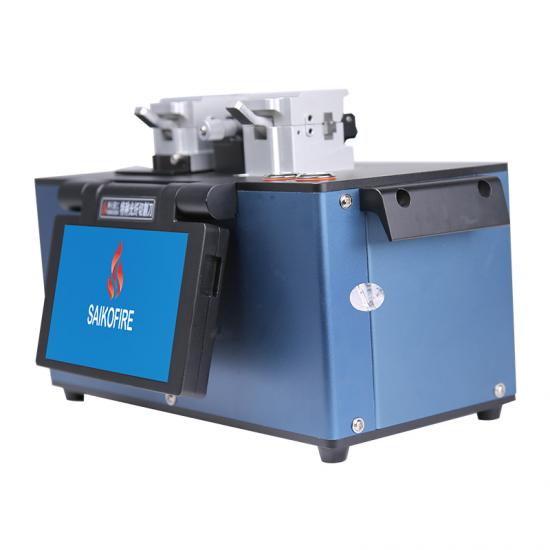
In the realm of laser technology, intricate instruments and specialized tools play a pivotal role in ensuring the seamless functionality and maintenance of laser systems utilizing special optical fibers. Let's delve into the key tools utilized for repairing special fiber optics in laser systems, including tools such as large core fiber fusion splicers/cleavers and thermal strippers.


Tools for Special Fiber Optic Repair:

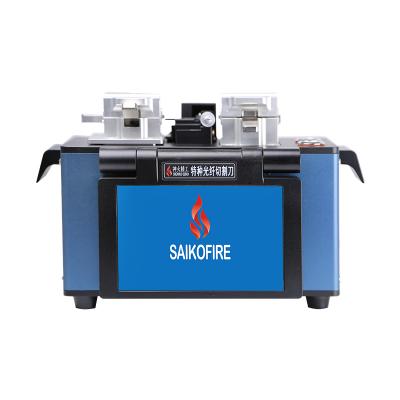
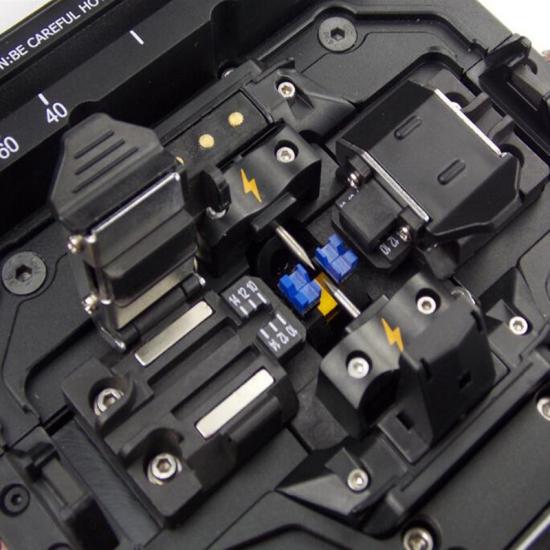
1. Large Core(diameter) Fiber Fusion Splicer/Cleaver:

Description: Large core fiber fusion splicers and cleavers are essential tools used in the repair and maintenance of special optical fibers in laser systems. These devices facilitate the precise alignment, fusion, and cleaving of large core fibers, ensuring optimal performance.

Functionality: Large core fiber fusion splicers enable technicians to seamlessly join optical fibers by aligning and fusing them together. This process ensures minimal signal loss and maximum efficiency in laser transmission.

Application: These tools are particularly crucial in repairing damaged or broken optical fibers in high-power laser systems where maintaining signal integrity is paramount.


2. Thermal Stripper:

Description: Thermal strippers are indispensable tools designed for the precise removal of protective coatings from optical fibers. They operate by applying controlled heat to the fiber, allowing for the stripping of coatings without damaging the fiber itself.

Functionality: Thermal strippers ensure clean and accurate removal of protective coatings, enabling technicians to access the fiber cores for splicing or connectorization.

Application: In the context of laser system maintenance, thermal strippers play a vital role in preparing optical fibers for splicing, thus facilitating efficient repairs and upgrades.


Frequently Asked Questions (FAQ):

Q1: Why are large core fiber fusion splicers/cleavers necessary for laser system maintenance?
A: Large core fiber fusion splicers and cleavers are crucial tools for ensuring precise alignment and connection of optical fibers in laser systems. They minimize signal loss and help maintain the integrity of optical transmissions.

Q2: How does a thermal stripper aid in fiber optic repair?
A: Thermal strippers enable technicians to safely remove protective coatings from optical fibers, allowing for easy access to the fiber cores during repair and maintenance tasks without causing damage to the fibers.

Q3: Are there specific safety precautions to consider when using these tools?
A: Yes, it is essential to follow safety guidelines provided by the manufacturers when operating large core fiber fusion splicers, cleavers, and thermal strippers to prevent injury and ensure proper functionality of the tools.


In conclusion, the utilization of specialized tools such as large core fiber fusion splicers/cleavers and thermal strippers is indispensable in the repair and maintenance of special fiber optics in laser systems. These tools empower technicians to perform intricate tasks with precision, ultimately ensuring the optimal performance and longevity of laser systems.

Continue
Home Archives