CIQTEK at The Egyptian Society of Electron Microscopy Conference 2025

We, CIQTEK, are pleased to invite you to the Electron Microscopy Conference 2025, held from October 13th to 15th, 2025, at the Theodor Bilharz Research Institute, Egypt. 


The theme of this year's conference is: "The Importance of Electron Microscopy in Enlightening the Invisible". It reflects the profound impact that electron microscopy continues to have across diverse scientific disciplines, from biology to materials science.


Over the conference's three days, we will have the opportunity to engage in in-depth tutorials, keynote sessions, and explore the latest technological advancements in the field of Electron MicroscopesIt will follow a Hybrid format, allowing participants from around the world to join us both in person and virtually, ensuring an inclusive and accessible experience for all.


Meet us at ESEM

Date: October 13 - 15, 2025


LocationTheodor Bilharz Research Institute, Egypt


Continue
Understanding Quartz Crystal Frequency Characteristics Selecting the Optimal Oscillator Solution for Your Needs

The basic working principle of quartz crystal oscillator

Quartz crystal oscillators utilize high-quality piezoelectric crystals, harnessing the piezoelectric effect to generate stable oscillations. The crystal's quality factor (Q) directly impacts frequency stability—a higher Q provides a more accurate and reliable clock signal. The vibration frequency characteristics are determined by three key factors: crystal thickness, crystal geometry, and cutting method.


Effect of thickness on frequency

The frequency of a quartz crystal is inversely proportional to the thickness of the crystal:

Thin wafers: Support higher oscillation frequencies, ideal for high-frequency applications.

Thick wafers: small vibration amplitude and excellent resistance to mechanical shock

Technological breakthrough : Overtone crystal technology enables a chip with a fundamental frequency of 20MHz to reach 100MHz through the fifth overtone, allowing medium and low fundamental frequency chips to meet high-frequency requirements of hundreds of megahertz.


Chip shape and frequency characteristics


Tuning Fork Chip

Typical application: 32.768kHz crystal oscillator

Typical dimensions: 3.2 × 1.5 × 0.8 mm

Temperature characteristics: parabolic characteristics of -0.04ppm/℃²

Manufacturing process: Photolithography technology is used to achieve micron-level precision

Frequency determining factors: mainly depends on the fork length (L), the longer the length, the higher the frequency

Advantages: Especially suitable for low-frequency precise timing scenarios


Fectangular Wafer

Frequency range: MHz level application

Miniaturization: From 7.0×5.0mm to 1.6×1.2mm

High frequency: Up to 300MHz through chamfered edge technology

Low power consumption: current consumption can be as low as 0.5μA

Main features: convenient for large-scale production and standardized packaging

Frequency Determinants: Thickness is the Main Influencing Factor


Comparison of key cutting technologies

The cutting angle of the quartz crystal (defined in the XYZ coordinate system) directly affects:

(1) Long-term aging characteristics

(2) Temperature stability

(3) Frequency accuracy

Mainstream cutting methods : AT cutting, BT cutting, SC cutting, IT cutting, and special cutting processes designed specifically for tuning fork wafers. Each method has its own performance advantages and applicable scenarios.


Contact

Need the optimal quartz crystal oscillator solution for your application? Our team of engineers can provide complete crystal oscillator selection recommendations and technical support, from low to high frequencies, based on your specific application needs.

Please contact our sales team:  

Tel: 0086-576-89808609  

Email: market@acrystals.com

Website: [www.acrystals.com](http://www.acrystals.com)  

Continue
The HK72 - Your Slim, Smart Health Companion

Finding a comfortable yet capable health tracker just got easier with the HK72 smart bracelet. This ultra-light 38g wearable disappears on your wrist with its barely-there 9.9mm metal body, proving you don't need bulk for advanced features. The vibrant 1.47-inch AMOLED screen delivers crisp notifications and health data at a glance, while the 10-day battery life outlasts most smartwatches.


What sets the HK72 apart is its thoughtful health tracking. It automatically monitors your heart rate and blood oxygen around the clock, with special attention to women's health through menstrual cycle tracking. The sleep analysis breaks down your REM cycles, while the stress monitor suggests breathing exercises when tension rises. Unlike complex smartwatches, it presents this data simply through an intuitive interface.


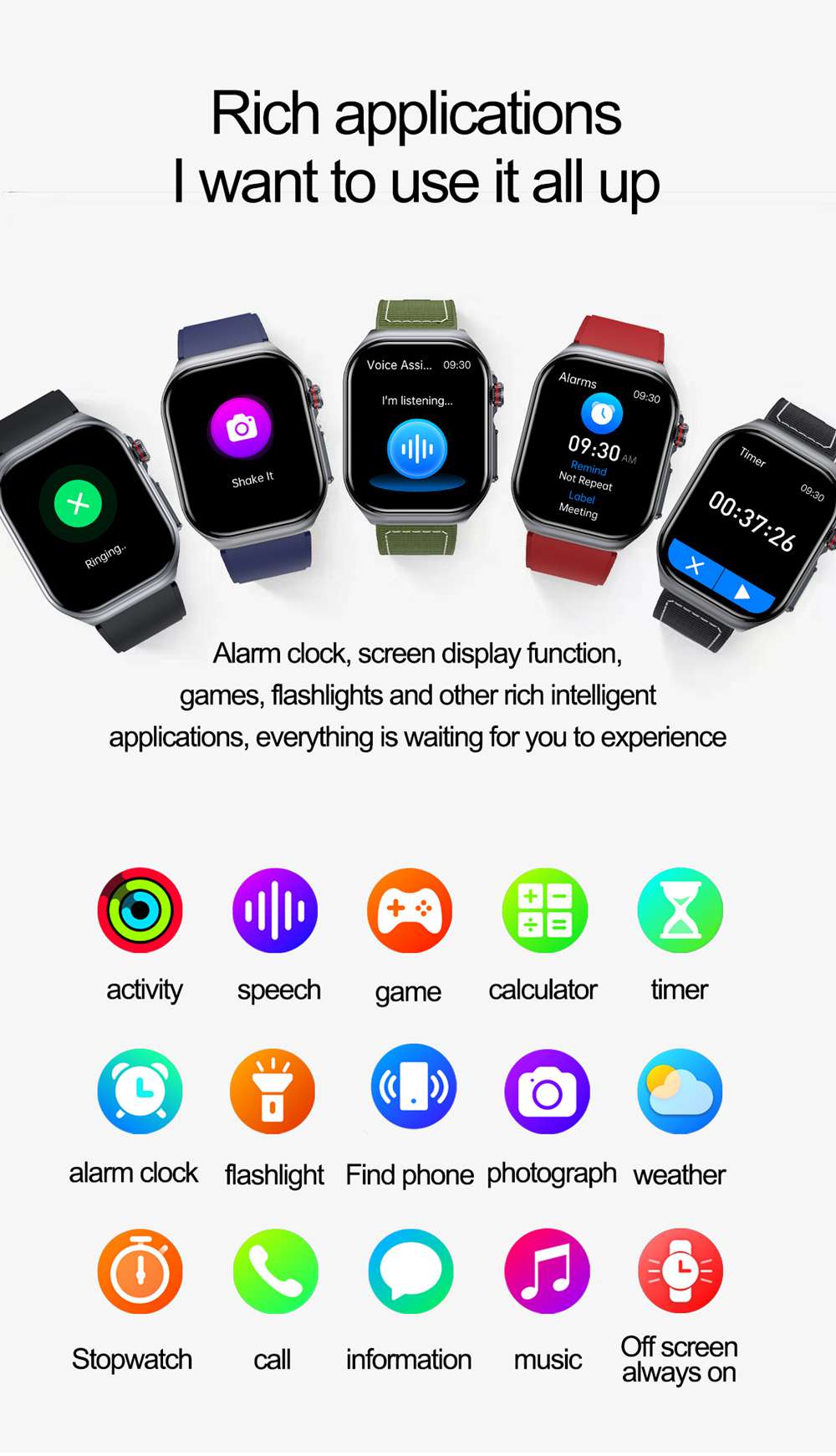
For active users, the IP68 waterproof rating means no workout is off-limits - whether swimming laps or running in rain. The bracelet automatically detects exercise types and tracks progress through three motivational activity rings. Smart features like Bluetooth calling and offline Alipay payments add convenience without complicating the experience. With multiple stylish watch faces and an always-on display option, the HK72 blends seamlessly into both gym sessions and business meetings - a rare balance of form and function in wearable tech.

Ultra thin AMOLED smart braceletOEM smart bracelet supplierCustom logo fitness trackers

Continue
CIQTEK to Showcase Advanced Scientific and Oilfield Instruments at ARABLAB 2025 in Dubai

CIQTEK is excited to announce our participation in ARABLAB 2025, one of the leading international trade shows for laboratory technology, scientific instruments, and petroleum exploration equipment. The event will take place from 23 to 25 September 2025 at the Dubai World Trade Center, UAE, and visitors can find us at Booth H1-C24, Sheikh Saeed Hall 1.


At the exhibition, CIQTEK will present our latest innovations in electron microscopy (FIB/SEM, TEM), electron paramagnetic resonance (EPR) spectrometers, BET Surface Area &Porosimetry Analyzers, and other advanced analytical instruments. The team will demonstrate product capabilities, share real-world application success stories, and discuss solutions for researchers and industrial professionals across multiple sectors.


In addition, CIQTEK will introduce QOILTECH, our specialized brand for innovating petroleum exploration and oilfield services. QOILTECH focuses on the R&D, manufacturing, and sales of petroleum exploration equipment, including RSS, MWD/LWD, resistivity, and near-bit azimuth gamma tools, designed for extreme environments. With proven expertise in tool design and application, QOILTECH delivers equipment capable of operating at depths of up to 100,000 meters annually, supporting efficient and reliable petroleum logging while drilling operations.


QOILTECH oilfield services


ARABLAB provides a key platform to connect with industry experts, researchers, and distributors from around the world. CIQTEK looks forward to engaging with attendees, showcasing how our advanced scientific instruments and petroleum exploration tools can drive breakthroughs in research, industrial applications, and oilfield operations.

We warmly invite you to visit our booth at H1-C24 to experience our instruments in action and speak directly with our product specialists.

Event Details:


  • Date: 23–25 September 2025

  • Venue: Dubai World Trade Center, UAE

  • Booth: H1-C24, Sheikh Saeed Hall 1

Continue
MI Series Miniature High‑Density Connectors — the all‑in‑one solution for servo‑motor and compact‑equipment wiring

In industrial automation, robotics, and precision instruments, connector performance is often the “invisible bottleneck” that limits system reliability. Traditional connectors can be hard to route in tight spaces, difficult to service, and prone to interference. WAIN’s MI Series miniature high‑density connectors give engineers a space‑saving, easily maintained, high‑reliability alternative.

MI Series Miniature High‑Density Connectors


Break the Space Barrier 


· MI connectors feature a compact form factor that is smaller than conventional products while integrating three functional modules—signal, power, and brake—into a single unit. This eliminates cable clutter and frees up valuable enclosure space, making the connectors easy to embed in robot joints, AGV control bays, or precision-instrument compartments.

· A partitioned, removable-module design allows users to detach either the signal or power section independently. If one module fails, the entire connector does not need to be replaced, dramatically reducing maintenance time and cost. Compared with traditional one-piece connectors, service efficiency is significantly improved.


Five Core Technology Innovations


1、One-Second Quick-Release — Latch Mechanism
MI connectors use an elastic latch-lock design that mates or unmated with a single press, cutting installation time. Anti-mis-mate coding ensures precise, reliable connections.

2、Vibration-Resistant Cold-Crimp Contacts
Contacts are cold-crimped—no soldering—delivering high-strength conductivity. Tested to withstand 500+ mating cycles, ideal for high-vibration environments such as industrial robots and rail systems.

3、360° Electromagnetic Shielding + Partitioned Isolation
Dual-layer protection:
• Outer full-metal shell blocks external EMI.
• Inner isolation chambers physically separate power and signal sections, eliminating crosstalk and guaranteeing zero-packet-loss data transmission.

4、Dual-Cable Exits for Flexible Routing
Independent power and signal channels exit through Ø 7.5 mm ports, accommodating large-gauge power and fine-gauge signal wires. The plug supports 180° dual-direction swivel, adapting to varied equipment layouts.

5、Visual Assembly — Top + Side Inspection Windows
Technicians can verify pin alignment in real time, preventing bent pins from blind mating. During service, windows enable rapid fault location, lowering technical complexity and downtime.


Proven in Harsh Environments


·Operating temperature: –40 °C … +130 °C

·Ingress protection: IP67 (mated, EN 60529) – suitable for aerospace and outdoor equipment

Continue
Why is the Rise of RISC-V Processors Inseparable from Crystal Oscillators?

The open-source RISC-V instruction set architecture has rapidly evolved from a niche academic project into a global force reshaping the processor market. Over the past few years, semiconductor companies, research institutions, and startups alike have embraced RISC-V for its flexibility, reduced licensing costs, and potential for highly customized chip designs. Its adoption is accelerating in sectors ranging from data centers to low-power embedded systems, driven by the need for scalable performance and open innovation.

RISC-V processor architecture 

One of the fastest-growing areas for RISC-V implementation is AIoT (Artificial Intelligence of Things). As smart devices integrate AI capabilities at the edge, processors must handle both machine learning inference and complex sensor data processing locally. This trend is mirrored in embedded control systems, industrial automation, and edge computing platforms—where low-latency decision-making is essential. The modular nature of RISC-V allows chip designers to fine-tune cores for specific workloads, from high-performance neural processing to ultra-low-power microcontrollers.


Yet, no matter how sophisticated the processor architecture becomes, its performance is inherently tied to the accuracy and stability of its clock source. This is where crystal oscillators play an irreplaceable role. A crystal oscillator generates a precise and stable frequency signal, ensuring that instruction execution, peripheral communication, and data synchronization occur with consistent timing. Without such stability, high-speed data buses, wireless communication modules, and real-time control loops would be prone to errors and latency spikes.


In AIoT devices, for example, a small deviation in the processor clock can lead to cumulative timing mismatches between sensor inputs and AI algorithms, affecting recognition accuracy. In embedded systems such as automotive controllers or medical devices, clock instability could disrupt safety-critical operations. Even in edge computing nodes handling distributed workloads, accurate timing signals are crucial for coordinating processes across multiple devices in a network.


RISC-V processors, particularly those targeting wireless connectivity standards like Wi-Fi, Bluetooth, and 5G, rely heavily on low-jitter crystal oscillators to meet stringent communication protocol requirements. The frequency precision determines not only the processor’s internal timing but also the synchronization of RF transceivers, ADC/DAC converters, and external memory interfaces. For industrial and defense-grade applications, temperature-compensated crystal oscillators (TCXO) or oven-controlled crystal oscillators (OCXO) are often paired with RISC-V chips to maintain stability in extreme environments.


The future of RISC-V will likely see even more integration with diverse hardware ecosystems—heterogeneous computing modules, AI accelerators, and advanced security enclaves. Regardless of these innovations, every design still begins with the same foundational requirement: a reliable, accurate, and stable clock source. The crystal oscillator remains the silent but indispensable enabler, ensuring that RISC-V’s open-source vision is matched by uncompromising operational precision.


In essence, the global rise of RISC-V is not just a story of architectural freedom and innovation; it is also a reminder that at the heart of every advanced processor lies a humble yet essential timing device—without which the promise of the architecture could not be fully realized.


Continue
Look at a 240W high-power, enterprise-grade PD 3.1 charging solution

In enterprise applications, charging and power supply stability determine system availability and productivity. This 240W single-port PD 3.1 charging solution is renowned for its robust output and reliable design, capable of delivering steady power under heavy load and reducing downtime caused by power fluctuations. Whether for high-performance laptops, workstations, or robot control systems, this solution ensures stable operation of critical equipment, helping teams focus on core tasks.


As enterprises pursue digital transformation, they need power solutions that cover multiple scenarios. A broad 5V to 48V output 240W PD 3.1 Enterprise Charging Solution charger provides a unified power standard for a range of devices and peripherals, reducing procurement complexity and inventory costs. For organizations deploying across different environments, this means a one-time purchase can meet power needs for laptops, workstations, robots, and peripheral devices, improving procurement efficiency and operational flexibility.

240W PD3.1 48V Robert USB-C Charger

Robotics and industrial applications demand more from power supplies: wider voltage steps, faster dynamic regulation, and stronger voltage stabilization are key to achieving precise control and high reliability. The robot USB-C charger product is designed with robot workstations, educational robots, service robots, and robot charging in mind, ensuring efficient and stable energy delivery across diverse workloads and environments, helping enterprises production line stability and automation levels.


Enterprise-grade power must be powerful, but also safe and controllable. This 240W PD 3.1 Power Adapter features comprehensive protections (OVP/OCP/SCP/OTP), thermal management, meeting long-term operation and regulatory requirements to reduce fault rates and maintenance costs. At the same time, high efficiency and low standby power help enterprises cut energy costs. 

Continue
CIQTEK to Exhibit at MC2025 Microscopy Conference in Karlsruhe, Germany

CIQTEK is pleased to announce its participation in the Microscopy Conference 2025 (MC2025), taking place August 31 – September 4 in Karlsruhe, Germany.

You can find us at Booth #28 in the exhibition area of Messe Karlsruhe.


MC2025 is one of the most important events in the international microscopy community, jointly organized by the German Society for Electron Microscopy (DGE), the Austrian Society for Electron Microscopy (ASEM), and the Swiss Society for Optics and Microscopy (SSOM), under the patronage of the European Microscopy Society (EMS). The conference brings together scientists, engineers, and industry leaders to share the latest advances in imaging technologies, applications, and techniques.


Exhibitor Presentation

Date & Time: Monday, September 1st, 17:10 – 17:20 pm
Location: Conference Hall, Messe Karlsruhe
Topic: Unlocking the Power of High-Speed Scanning Electron Microscopy Without Compromising Superb Imaging Resolution at Low kV

During this session, our Senior Electron Microscopy Engineer will share insights into how CIQTEK’s latest high-speed SEM technology achieves exceptional imaging resolution at low accelerating voltages, enabling breakthroughs in materials science, life sciences, and nanotechnology research.


We look forward to connecting with researchers, partners, and industry peers at MC2025. Visit Booth #28 to explore our advanced electron microscopy solutions and discuss how CIQTEK can support your work.


See you in Karlsruhe!

CIQTEK to Exhibit at MC2025 Microscopy Conference in Karlsruhe, Germany

Continue
A Complete Guide to SEM Resolution, SEM Magnification, and Imaging Modes

For researchers and engineers, understanding the core specifications of a Scanning Electron Microscope (SEM) is essential for obtaining accurate results. Among the most important parameters are SEM resolution, SEM magnification, and SEM imaging modes. These three factors define the level of detail, scale, and type of information that can be captured from a specimen. Knowing how they work and how they interact helps you select the right SEM for your application.


What is SEM Resolution and Why It Matters

SEM resolution describes the smallest distance between two points that can still be distinguished as separate. It is typically measured in nanometers. Higher SEM resolution means you can capture finer details, which is critical in nanotechnology research, semiconductor inspection, and advanced materials analysis.

The main factors affecting SEM resolution include electron beam spot size, accelerating voltage, electron source type, and vacuum conditions. For example, a field emission SEM generally achieves higher resolution than a thermionic SEM. Low accelerating voltage improves surface detail for delicate samples, while low vacuum operation enables better imaging of non-conductive materials.

CIQTEK SEM Images


Understanding SEM Magnification

SEM magnification is the ratio between the displayed image size and the actual area scanned on the sample. Unlike optical magnification, SEM magnification is controlled electronically by adjusting the scan area. Most modern SEMs offer magnification from about 10x to several hundred thousand times, making it possible to study both large structures and nanoscale features in the same instrument.


The Link Between SEM Resolution and SEM Magnification

While increasing SEM magnification enlarges an image, the level of meaningful detail still depends on the SEM resolution. If the resolution limit is reached, higher magnification will not reveal additional structural details. For example, a system with 1 nm resolution provides much clearer images at high magnification than one limited to 5 nm.


Common SEM Imaging Modes and Their Uses

Modern SEMs feature multiple imaging modes, each designed to provide specific information:

  • Secondary Electron Imaging (SEI) – Delivers high-resolution surface topography, ideal for morphology studies.

  • Backscattered Electron Imaging (BSE) – Reveals compositional contrast based on atomic number differences.

  • Energy Dispersive X-ray Spectroscopy (EDS) – Identifies and quantifies elemental composition.

  • Low Vacuum or Variable Pressure Mode – Allows imaging of non-conductive or hydrated specimens without metal coating.

Switching between different imaging modes enables comprehensive analysis of a single sample.


Choosing an SEM Based on Resolution, Magnification, and Imaging Modes

When selecting an SEM, consider the balance between SEM resolution, SEM magnification range, and available imaging modes. High-resolution capability is essential for nanometer-scale research. A wide magnification range ensures flexibility for different sample sizes, and multiple imaging modes increase versatility for both research and industrial applications.

CIQTEK SEM


How CIQTEK SEMs Excel in Resolution, Magnification, and Imaging Modes

CIQTEK SEMs achieve nanometer-scale resolution, allowing users to observe ultra-fine surface features with exceptional clarity. This level of detail is crucial for fields such as semiconductor inspection, nanomaterials research, and precision manufacturing, where accuracy at the smallest scale determines the quality of results.


Flexible Magnification Range

CIQTEK SEMs offer a broad magnification range, enabling smooth transitions from low-magnification overviews to ultra-high-magnification nanoscale imaging. This flexibility allows researchers to locate areas of interest quickly and then zoom in for detailed examination, all without loss of image quality.


Multiple Imaging Modes in One System

CIQTEK SEM systems integrate multiple imaging modes, including secondary electron imaging for surface morphology, backscattered electron imaging for compositional contrast, and low vacuum operation for non-conductive or moisture-sensitive samples. Optional analytical tools, such as EDS, provide elemental composition data. This multi-mode capability means users can conduct comprehensive analyses without switching instruments.


High Value and Cost Efficiency

In addition to technical excellence, CIQTEK SEMs deliver outstanding value. By combining advanced electron optics, reliable hardware, and intuitive software at a competitive price point, we offer one of the best performance-to-cost ratios in the market. Laboratories can access cutting-edge SEM technology while optimizing budget and operational efficiency.


Continue
The Minimalist Watch Redefining Outdoor Timekeeping TERRAX

For outdoor enthusiasts who split their weekends between trailblazing, stargazing campsites, and river kayaking, finding a watch that marries functionality with simplicity has long been a challenge. TERRAX steps in as the solution, blending practical design with a "Travel Light" ethos that resonates with those who prioritize the journey over the gadget.​


Its appeal starts with a clutter-free approach: no overcomplicated interfaces or redundant apps, just a streamlined design that lets adventurers focus on the experience rather than navigating menus. The lightweight build is a standout feature—perfect for 10-mile hikes where every ounce matters. The ultra-light nylon strap, soft yet sturdy, feels barely there, even during all-day wear.​


Small but thoughtful details elevate its usability in the wild. Physical buttons, a deliberate choice over touchscreens, ensure reliable operation whether users are wearing thick gloves mid-climb or have wet hands after a sudden downpour. When twilight fades to darkness, the military-grade green glow illuminates the entire dial, turning pitch-black forests or moonless campsites into spaces where time stays visible.​


Eco-conscious materials add depth to its appeal, aligning with the values of outdoor lovers who strive to minimize their environmental footprint. Nature-inspired color palettes—subtle greens and earthy tones—blend seamlessly with wilderness backdrops, making it as much a style statement as a tool.​


TERRAX doesn’t aim to compete with smartwatches. Instead, it excels as a reliable companion, built to keep pace with the most rugged adventures. For those who need timekeeping that fades into the background until it’s needed, it’s the perfect fit.

 Custom logo outdoor watch supplier

Continue
Home Archives