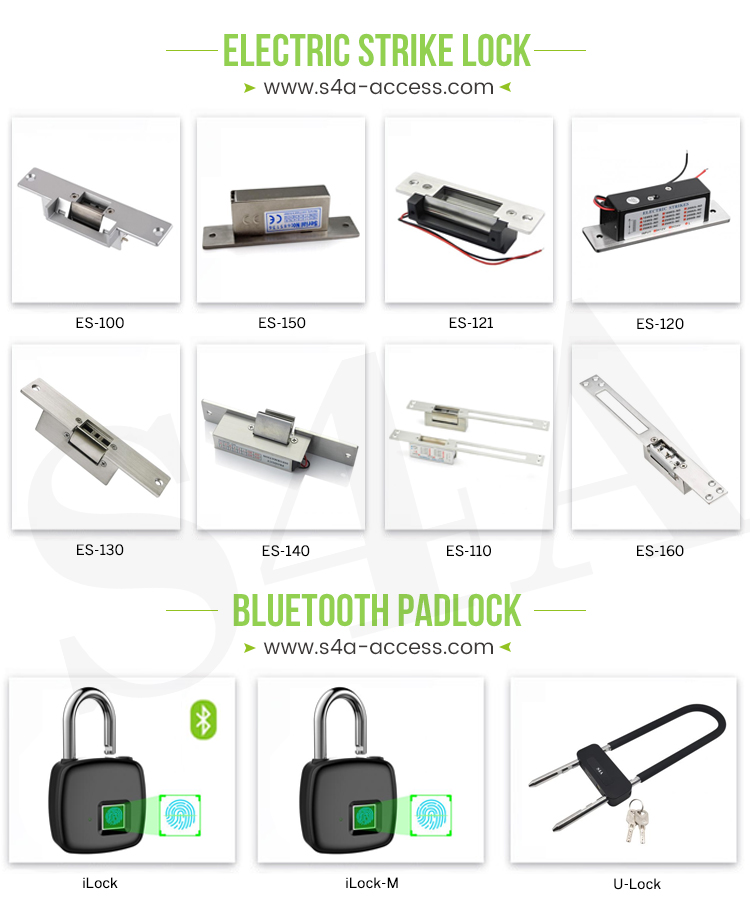
How do I ensure my Garage Door Opener Automatic is aligned correctly during installation?

Proper alignment is the cornerstone of a smoothly operating 90-degree automatic door opener. Here are a series of steps and valuable pointers to assist you in attaining this essential aspect of installation:


**1. Employ the Appropriate Tools**

- A level is an indispensable instrument. Position it on both the door and the mounting surface, which could be the door frame or an adjacent wall, to ascertain that everything is flawlessly horizontal or vertical as dictated by the installation prerequisites. For instance, when affixing the opener to the door, utilize the level to verify that it is installed in a straight line along the length of the door. This ensures that the opener is not skewed, which could lead to an uneven and potentially malfunctioning door operation.

- A measuring tape proves invaluable for accurately gauging distances. Measure from established reference points such as the hinge side of the door or the extremities of the door frame to the precise locations where the opener and actuator will be mounted. This meticulous measurement process paves the way for a symmetrical and accurately aligned installation setup.


**2. Adhere to the Manufacturer's Directives**

- Manufacturers typically furnish detailed guidelines regarding alignment. These might encompass specific details like the exact distance from the hinge at which the opener ought to be positioned or the optimal height for mounting the actuator on the frame. As an example, certain models might stipulate that the opener be installed precisely 10 inches from the top hinge of a standard-sized interior door. Deviating from these instructions could result in an improper fit and compromised functionality.

- Scrutinize the door opener components for any alignment marks or reference points. Some openers feature markings that must be aligned with corresponding marks on the door or frame during the installation process. These serve as handy visual cues to ensure accurate placement.


**3. Mounting the Opener onto the Door**

- Exercise great care when marking the positions for the opener on the door. Utilize a pencil or a marker to create distinct and accurate marks in accordance with the measurements and guidelines you have meticulously determined. It is prudent to double-check these marks prior to commencing any drilling or attachment procedures. A single millimeter of error in marking could translate into significant misalignment issues later on.

- When attaching the opener or its mounting bracket to the door, ensure that it is flush against the door surface. Any gaps or irregularities can precipitate misalignment. Tighten the screws in a uniform and gradual manner, continuously checking the alignment with a level as you progress. If you detect the opener beginning to tilt or shift during the tightening process, it is advisable to slightly loosen the screws and make the necessary readjustments. This step-by-step approach helps maintain the integrity of the alignment.


**4. Installing the Actuator and Achieving Alignment with the Opener**

- The actuator, which is customarily mounted on the door frame or an adjacent wall, must be precisely aligned with the opener on the door. Initiate the process by roughly positioning the actuator in the correct location, basing your judgment on your measurements and the manufacturer's instructions. This initial approximation serves as a starting point for further refinement.

- As you secure the actuator, employ a straightedge or a long, flat object to verify that it is in perfect alignment with the opener. Alternatively, you can utilize a string or a laser level to establish a straight reference line between the two components. Make minute adjustments to the position of the actuator by loosening and repositioning the mounting screws until flawless alignment is attained. These adjustment techniques are crucial in fine-tuning the alignment and ensuring seamless operation.

- Some advanced door opener systems are accompanied by alignment jigs or templates. These accessories can be of immeasurable assistance in guaranteeing that the actuator and opener are correctly aligned. Simply follow the comprehensive instructions provided with these tools to streamline the alignment process and minimize the margin of error.


**5. Testing and Fine-Tuning**

- Before finalizing the installation by fully tightening all the screws, conduct a preliminary test of the door opener. Activate the opener to observe how the door moves and to identify any telltale signs of misalignment, such as the door binding, scraping against the frame, or failing to open to the full 90-degree angle. This initial test allows you to catch and rectify any alignment issues promptly.

- If any misalignment problems surface during the test, undertake the requisite adjustments. This could involve loosening and repositioning the opener or actuator, or meticulously inspecting for any obstructions that might be interfering with the alignment. Once you are completely satisfied with the alignment and the seamless operation of the door, you can then securely tighten all the screws and conclude the installation process. This final step seals the deal and ensures that your 90-degree automatic door opener is installed correctly and will function optimally.
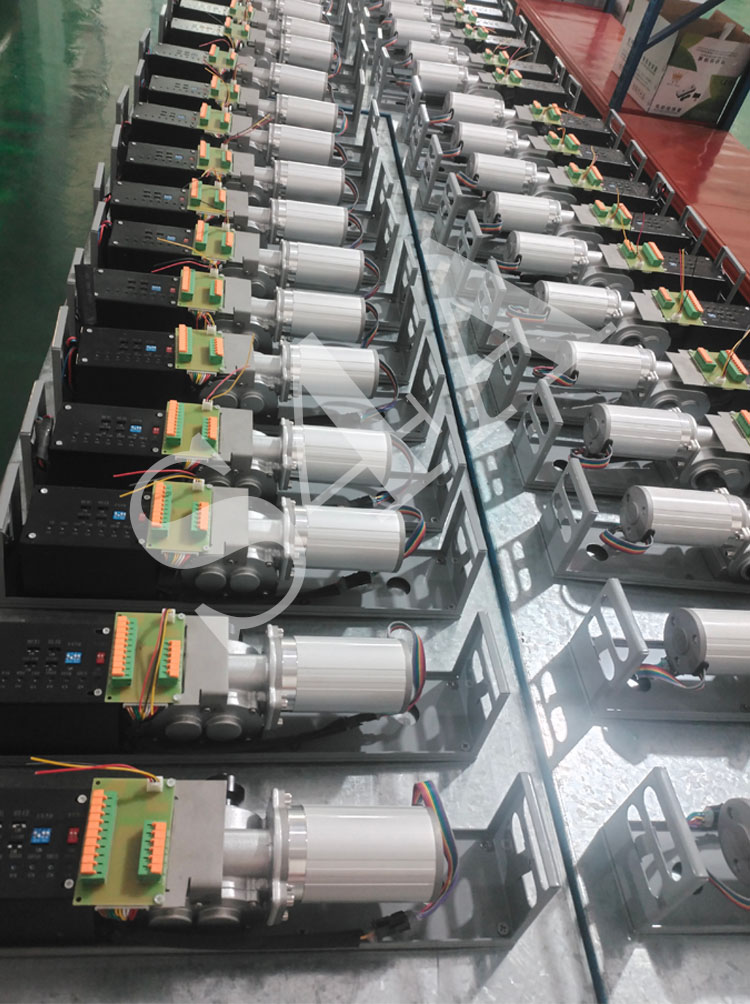

90 degree automatic door opener


Let's say we are now referring to a specific model like the "Smart 90-Degree Automatic Door Swing Gate Opener":


**1. Employ the Appropriate Tools**

- A level is an indispensable instrument. Position it on both the door and the mounting surface, which could be the door frame or an adjacent wall, to ascertain that everything is flawlessly horizontal or vertical as dictated by the installation prerequisites of the Automatic Door Swing Gate Opener. For instance, when affixing the opener to the door, utilize the level to verify that it is installed in a straight line along the length of the door. This ensures that the opener is not skewed, which could lead to an uneven and potentially malfunctioning door operation.

- A measuring tape proves invaluable for accurately gauging distances. Measure from established reference points such as the hinge side of the door or the extremities of the door frame to the precise locations where the opener and actuator of the Automatic Door Swing Gate Opener will be mounted. This meticulous measurement process paves the way for a symmetrical and accurately aligned installation setup.


**2. Adhere to the Manufacturer's Directives**

- The manufacturer of the Smart 90-Degree Automatic Door Opener typically furnishes detailed guidelines regarding alignment. These might encompass specific details like the exact distance from the hinge at which the opener ought to be positioned or the optimal height for mounting the actuator on the frame. As an example, certain models of the Smart 90-Degree Automatic Door Opener might stipulate that the opener be installed precisely 10 inches from the top hinge of a standard-sized interior door. Deviating from these instructions could result in an improper fit and compromised functionality.

- Scrutinize the components of the Smart 90-Degree Automatic Door Opener for any alignment marks or reference points. Some openers feature markings that must be aligned with corresponding marks on the door or frame during the installation process. These serve as handy visual cues to ensure accurate placement.


**3. Mounting the Opener onto the Door**

- Exercise great care when marking the positions for the opener of the Smart 90-Degree Automatic Door Opener on the door. Utilize a pencil or a marker to create distinct and accurate marks in accordance with the measurements and guidelines you have meticulously determined. It is prudent to double-check these marks prior to commencing any drilling or attachment procedures. A single millimeter of error in marking could translate into significant misalignment issues later on.

- When attaching the opener or its mounting bracket to the door, ensure that it is flush against the door surface. Any gaps or irregularities can precipitate misalignment. Tighten the screws in a uniform and gradual manner, continuously checking the alignment with a level as you progress. If you detect the opener beginning to tilt or shift during the tightening process, it is advisable to slightly loosen the screws and make the necessary readjustments. This step-by-step approach helps maintain the integrity of the alignment.


**4. Installing the Actuator and Achieving Alignment with the Opener**

- The actuator of the Smart 90-Degree Automatic Door Opener, which is customarily mounted on the door frame or an adjacent wall, must be precisely aligned with the opener on the door. Initiate the process by roughly positioning the actuator in the correct location, basing your judgment on your measurements and the manufacturer's instructions. This initial approximation serves as a starting point for further refinement.

- As you secure the actuator, employ a straightedge or a long, flat object to verify that it is in perfect alignment with the opener. Alternatively, you can utilize a string or a laser level to establish a straight reference line between the two components. Make minute adjustments to the position of the actuator by loosening and repositioning the mounting screws until flawless alignment is attained. These adjustment techniques are crucial in fine-tuning the alignment and ensuring seamless operation.

- Some advanced models of the Smart 90-Degree Automatic Door Opener system are accompanied by alignment jigs or templates. These accessories can be of immeasurable assistance in guaranteeing that the actuator and opener are correctly aligned. Simply follow the comprehensive instructions provided with these tools to streamline the alignment process and minimize the margin of error.


**5. Testing and Fine-Tuning**

- Before finalizing the installation by fully tightening all the screws, conduct a preliminary test of the Smart 90-Degree Automatic Door Opener. Activate the opener to observe how the door moves and to identify any telltale signs of misalignment, such as the door binding, scraping against the frame, or failing to open to the full 90-degree angle. This initial test allows you to catch and rectify any alignment issues promptly.

- If any misalignment problems surface during the test, undertake the requisite adjustments. This could involve loosening and repositioning the opener or actuator, or meticulously inspecting for any obstructions that might be interfering with the alignment. Once you are completely satisfied with the alignment and the seamless operation of the door, you can then securely tighten all the screws and conclude the installation process. This final step seals the deal and ensures that yourAutomatic Door Opener Stopper is installed correctly and will function optimally. 


Author: Written by Ms.Anna Zhang from S4A INDUSTRIAL CO., LIMITED


S4A INDUSTRIAL CO., LIMITED


Continue
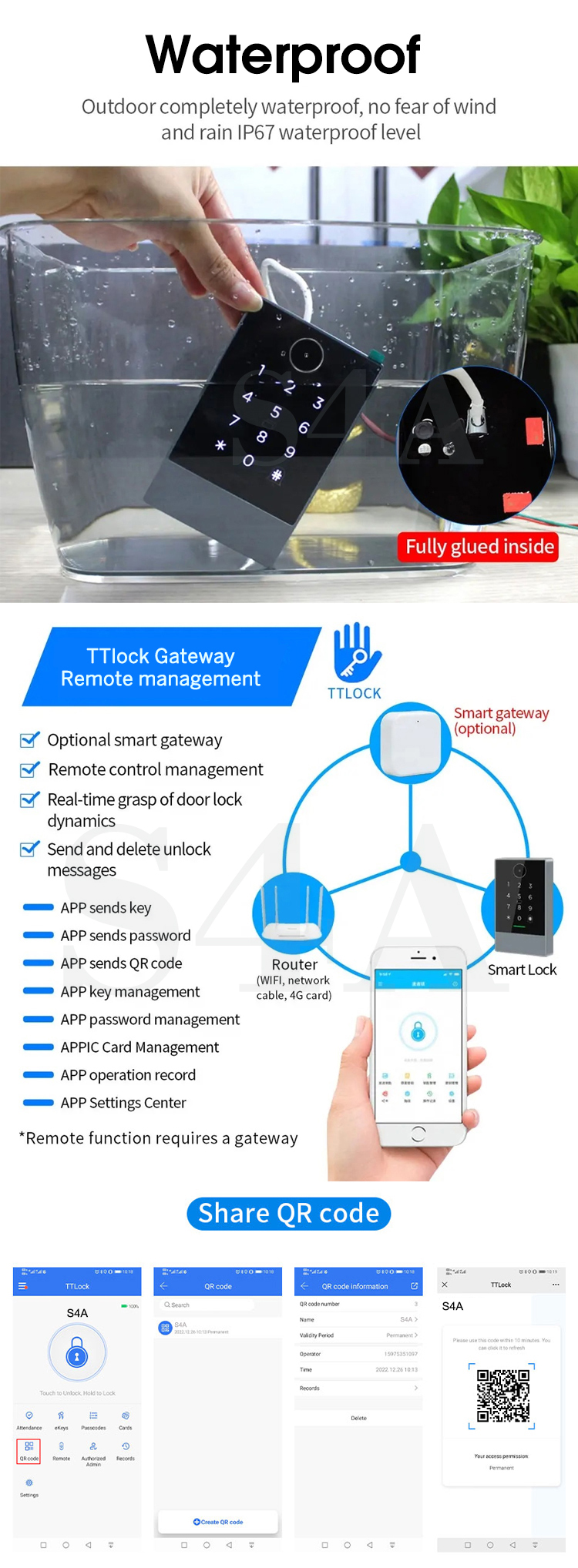
How to generate a QR code through TTlock App for K3Q Standalone access controller?

Normally, the steps to generate the QR code of the K3Q TTLock access control through the TTLock APP are as follows:


1. Ensure that the device is connected normally

First, ensure that the K3Q TTLock access control is connected normally to the TTLock APP on the mobile phone, and the mobile phone network connection is normal.

2. Open the TTLock APP, Find the TTLock APP icon on the mobile phone desktop and click to open it.


TTLock QR Code Access Control


3. Log in to the account: If you have not logged in before, you need to enter the correct account and password to log in to the APP; if you have logged in, you can directly enter the main interface.

4. Enter the device management interface: In the main interface of the APP, find the corresponding K3Q TTLock access control device icon or name, and click to enter the management interface of the device. The interface layout of different versions of the APP may be slightly different, but generally you can find the relevant device on the homepage or in the "Device" list.

5. Find the QR code generation function: In the device management interface, find related function buttons such as "Generate QR code", "QR code settings", and "Access control QR code". The specific name and location of this button may vary depending on the APP version.

6.Set QR code parameters: After clicking the "Generate QR code" button, an interface for setting the QR code validity period, number of uses, and other parameters may pop up. Set according to actual needs, such as setting the QR code validity period to 1 hour, the number of uses to 1 time, etc.

7.Generate QR code: After setting the parameters, click the "OK" or "Generate" button, and the APP will automatically generate the corresponding K3Q TTLock access control integrated machine to open the door QR code.

8. Use QR code to open the door: Align the generated QR code with the QR code scanning area of the K3Q TTLock access control, and the door can be opened after the access control system successfully recognizes it.


Author: Written by Ms.Anna Zhang from S4A INDUSTRIAL CO., LIMITED

S4A

Continue
How to improve the detection accuracy of Vehicle Loop Detector for Gate?

Here are some ways to improve the detection accuracy of vehicle detectors:

I. Equipment Hardware

Optimize the Design and Installation of Inductive Loops

Reasonable Selection of Coil Specifications

Based on the actual situation of the parking lot and vehicle types, select an appropriate size of the inductive loop. For example, in a parking lot with frequent access of large vehicles, a larger - sized coil should be used. Generally, the long side of a rectangular coil can be set to 2 - 3 meters, and the short side to 1 - 1.5 meters to ensure that the vehicle chassis can be completely sensed.

Precise Installation of the Coil

The installation depth of the coil should be appropriate, usually buried 3 - 5 centimeters below the ground. During the installation process, ensure that the shape of the coil is regular and the number of turns is uniform. For example, during the laying process, the spacing between each turn should be kept consistent, usually 2 - 3 centimeters. This can generate a stable magnetic field and improve the detection accuracy.

Avoid placing the coil too close to other metal objects (such as steel bars, metal pipes), because these metal objects will interfere with the magnetic field generated by the coil. During installation, the coil should be at least 1 meter away from large metal objects.

Select High - Precision Sensors

Sensor Performance Evaluation

Select sensors with high sensitivity and low - noise characteristics. When purchasing a vehicle detector, check the technical parameters of the sensor. For example, the sensitivity of the sensor should be able to detect small magnetic field changes, and its resolution can reach the level of millitesla (mT), which can accurately sense the magnetic field changes caused by the metal material of the vehicle chassis.

Sensor Anti - interference Ability

Give priority to sensors with strong anti - electromagnetic interference ability. For example, use sensors with a shielding layer. The shielding layer can effectively block the interference of external electromagnetic signals, such as interference from nearby communication base stations or other electronic devices, thereby improving the detection accuracy.


Vehicle Loop Detector


II. Software Algorithms

Adopt Intelligent Detection Algorithms

Adaptive Algorithms

Use adaptive filtering algorithms to enable the vehicle detector to automatically adjust the detection parameters according to the parking lot environment and vehicle flow. For example, during periods of frequent vehicle access, the algorithm can automatically increase the detection frequency to capture vehicle information more quickly and accurately; while during periods of low vehicle flow, the frequency can be appropriately reduced to reduce the possibility of false alarms.

Machine - Learning Algorithms

Use machine - learning algorithms to learn and identify various characteristics of vehicles. For example, by collecting a large amount of magnetic field change data and vehicle speed data of vehicles entering and leaving as training samples, let the algorithm learn the characteristic patterns of different types of vehicles (such as sedans, SUVs, trucks) and different driving states (normal driving, slow parking, rapid entry and exit). In this way, in actual detection, it can more accurately determine whether a vehicle has entered or left a parking space.

Data Processing and Optimization

Signal Filtering Processing

Filter the signals collected by the sensors to remove noise interference. For example, using digital filtering techniques, such as Butterworth filters or Kalman filters, can effectively remove signal fluctuations caused by environmental noise and electromagnetic interference, making the detected vehicle signals clearer and more accurate.

At the same time, amplify and shape the signals to ensure that the signal strength is within an appropriate range for subsequent analysis and judgment. For example, amplify the weak magnetic field change signal to an appropriate voltage amplitude so that the vehicle detection system can more easily identify the presence of the vehicle.

III. System Maintenance and Calibration

Regularly Maintain the Detection Equipment

Equipment Inspection Cycle

Establish a regular inspection system. For example, conduct a visual inspection of the vehicle detector once a month to check whether the inductive loop is damaged (such as ground subsidence causing coil deformation, damage caused by vehicle rolling, etc.) and whether the sensor connection is normal. Conduct a comprehensive functional test, including detection accuracy test and signal transmission test, every quarter.

Cleaning and Maintenance

Keep the detection equipment clean, especially the area around the sensors and inductive loops. Regularly clean up debris and standing water on the ground, because these may affect the detection accuracy. For example, standing water may change the inductance characteristics of the inductive loop, leading to detection errors.

Calibration and Parameter Adjustment

Regularly Calibrate the Equipment

According to the manufacturer's recommendations, regularly calibrate the vehicle detector. For example, calibrate the sensitivity and detection threshold of the sensor every six months or a year to ensure that its performance is in the best state.

When significant changes occur in the parking lot environment (such as the construction of a large - scale electromagnetic equipment nearby, the repaving of the parking lot ground, etc.), also conduct calibration and parameter adjustment in a timely manner so that the detection system can adapt to the new environment and maintain high detection accuracy.


Author: Written by Ms.Anna Zhang from S4A INDUSTRIAL CO., LIMITED


Anna Zhang


Continue
How to Install a S4A ED100 90-degree Automatic Swing Door Opener?

1. Preparatory Steps Before Installation

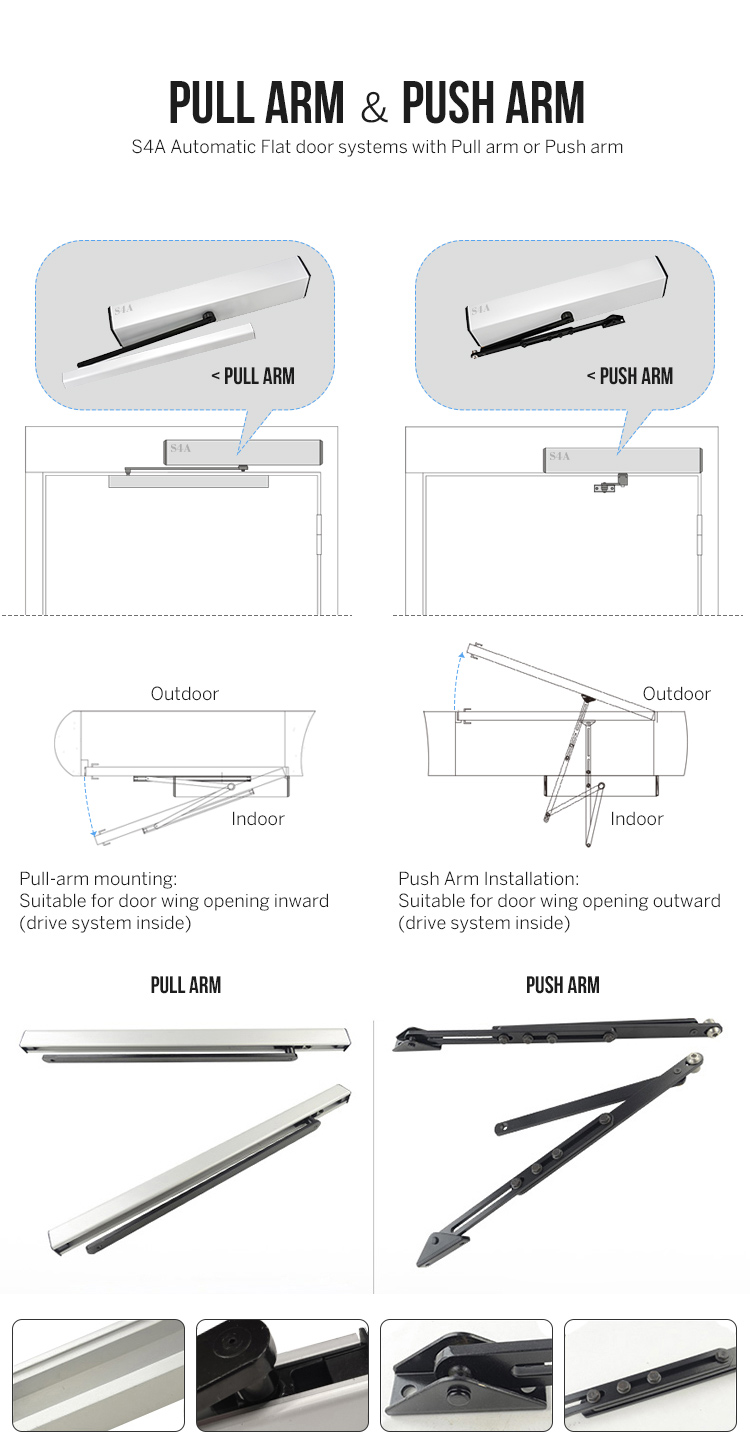
To install a 90-degree automatic door opener, it is essential to have the right tools at hand. These typically include a drill, both flat-head and Phillips-head screwdrivers, a level for ensuring proper alignment, a measuring tape for accurate positioning, and wrenches. Additionally, it is of utmost importance to meticulously read the instruction manual provided. Different models of 90-degree automatic door openers, such as the S4A series which comprises the ED100 with a 100KG capacity, ED200 with a 150KG capacity, and ED300 with a 300KG holding force, have their specific installation requirements. One must have a comprehensive understanding of the technical details like the maximum size of the door the opener can handle, the power source it demands, and the safety features incorporated.


2. Mounting the Opener onto the Door

The first step in this process is to accurately locate the mounting points. This involves marking the precise positions on the door where the opener is to be attached, following the guidelines furnished by the manufacturer. Commonly, a bracket or a plate needs to be affixed to the door. It is crucial to guarantee that the position is exact, as this will ensure that the door can open smoothly and precisely to a 90-degree angle. Once the positions are marked, use screws to firmly attach the opener or its mounting bracket to the door. It is vital to ensure that the screws are tightened securely to establish a stable connection. Employ a level to verify that the opener is installed either horizontally or vertically as per the requirements. This will prevent issues such as the door sagging or binding during its operation.


90-degree automatic swing door operator


3. Installing the Actuator and Connecting to the Power Supply

The actuator is usually installed on the door frame or an adjacent wall. It must be precisely aligned with the corresponding part of the opener on the door to ensure seamless cooperation. This alignment process might necessitate some adjustments to achieve the perfect fit. When it comes to power supply, automatic door openers can operate either on electricity or battery power. In the case of an electric model, it is imperative to adhere to the provided wiring diagram to safely connect it to the main power. This generally involves running wires through conduits to safeguard them and making appropriate electrical connections, such as linking to a power outlet or a junction box. For battery-operated openers, ensure that the batteries are installed correctly, paying close attention to the polarity markings.


4. Programming and Adjustment

Most Automatic Swing Gate Openers offer programmable settings. These can include parameters like the speed at which the door opens and closes, the delay time before the door shuts, and the sensitivity to obstacles. Utilize the control panel or the provided remote control to customize these settings according to your specific requirements. Another crucial aspect is adjusting the opening angle. It is necessary to ensure that the door opens exactly 90 degrees. Some openers are equipped with adjustment mechanisms for the opening angle. You may need to make fine-tuned adjustments to attain the precise 90-degree opening.


Is the Installation Difficult?

The level of difficulty in installing a Automatic Swing Gate Openers can differ based on multiple factors. For individuals possessing basic do-it-yourself (DIY) skills and experience in using tools and following instructions, the installation might be moderately challenging. If the installation setting is relatively simple, for example, a standard-sized interior door with convenient access to power and an uncomplicated door frame structure, it can be achieved with a degree of patience and careful attention to detail. However, for those lacking any DIY experience or dealing with more intricate scenarios such as heavy-duty external doors, doors in non-standard frames, or locations where running power lines is a complex task, the installation can prove to be extremely difficult. In such circumstances, it is advisable to seek professional assistance to guarantee that the opener is installed accurately and safely.


Author: Written by Ms.Anna Zhang from S4A INDUSTRIAL CO., LIMITED

S4A INDUSTRIAL CO., LIMITED

Continue
Installation Steps for Infrared Access Control Switch

Step 1: Prepare the Tools and Materials

Before starting the installation, make sure you have the following tools and materials ready:

  1. Infrared access control switch kit (including the switch device, power adapter if needed, and relevant accessories).

  2. Screwdriver set.

  3. Measuring tape.

  4. Electric drill (if you need to drill holes for mounting).

  5. Wall anchors and screws (depending on the mounting surface).


Step 2: Choose the Installation Location

  1. Select a suitable location near the entrance door. The position should ensure that the infrared sensor of the switch has a clear and unobstructed view of the area where people will pass through. Usually, it's recommended to install it at a height of about 1.2 to 1.5 meters from the ground for optimal detection.

  2. Use the measuring tape to mark the exact position on the wall where the switch will be mounted.


Step 3: Mount the Switch

  1. If the wall is made of solid materials like concrete or brick, you may need to use the electric drill to make holes at the marked positions according to the size of the wall anchors. Insert the wall anchors into the holes.

  2. Align the mounting holes on the back of the infrared access control switch with the wall anchors or the screw holes you've prepared. Use screws to firmly fix the switch onto the wall. Make sure it is mounted level and stable.


Step 4: Connect the Power Supply

  1. Check the power requirements of the infrared access control switch. Some may operate with batteries, while others need to be connected to a power source through a power adapter.

  2. If it's battery-powered, insert the appropriate batteries into the battery compartment according to the polarity markings.

  3. For those connected to a power adapter, plug the adapter into a nearby electrical outlet and then connect the adapter's output cable to the power input port of the switch following the correct wiring instructions. Make sure all connections are secure.


Step 5: Adjust the Settings (if applicable)

  1. Some infrared access control switches may have adjustable settings such as detection range, sensitivity, and delay time. Refer to the user manual of the specific switch model to access the settings interface.

  2. Adjust these parameters according to your actual needs. For example, you can widen or narrow the detection range based on the width of the entrance, increase or decrease the sensitivity depending on the environment, and set an appropriate delay time for the switch to remain activated after detecting a person.


Step 6: Test the Switch

  1. After completing the installation and settings, it's time to test the infrared access control switch. Walk through the detection area in front of the switch to see if it can accurately detect your presence and trigger the access control function as expected.

  2. Check if the switch responds promptly and reliably. If there are any issues like false detections or no response at all, double-check the installation, power connection, and settings to troubleshoot and make necessary adjustments.


Author: Written by Ms.Anna Zhang from S4A INDUSTRIAL CO., LIMITED


S4A INDUSTRIAL CO., LIMITED

Continue
Installing an Access Control Electric Dropbolt Lock A Comprehensive Guide

Installing an access control electric dropbolt lock can significantly enhance the security of your property. While it might initially seem daunting, this guide will walk you through each step with clear instructions and visual aids to ensure a smooth installation process. Whether you're a seasoned DIYer or a novice, you'll find these steps easy to follow.


Tools and Materials You’ll Need

  1. Access control electric dropbolt lock

  2. Screwdriver set

  3. Drill and drill bits

  4. Measuring tape

  5. Pencil

  6. Level

  7. Masking tape (for marking)

  8. Wire strippers

  9. Screws (provided in the lock kit or as specified)

  10. Wall anchors (if needed)

  11. Electrical wire and connectors (if not included)


Access control electric bolt lock


Step 1: Unpack and Prepare Your Materials

Begin by unpacking the electric dropbolt lock kit. Ensure you have all the necessary components, which typically include:

  1. The dropbolt lock mechanism

  2. Mounting brackets

  3. Screws and wall anchors (if applicable)

  4. Installation template

  5. User manual and wiring diagram

Check that all parts are present and undamaged before proceeding.


Step 2: Plan Your Installation

Before drilling any holes, plan the placement of your electric dropbolt lock. Consider both functionality and aesthetics:

  1. Functionality: The lock should align perfectly with the door frame to ensure proper locking.

  2. Aesthetics: Ensure the lock is installed at a height that looks balanced and is easily reachable.

Use the measuring tape and pencil to mark where the bolt will engage with the door frame. This point will determine the height for installing the bracket.


Step 3: Mark the Installation Points

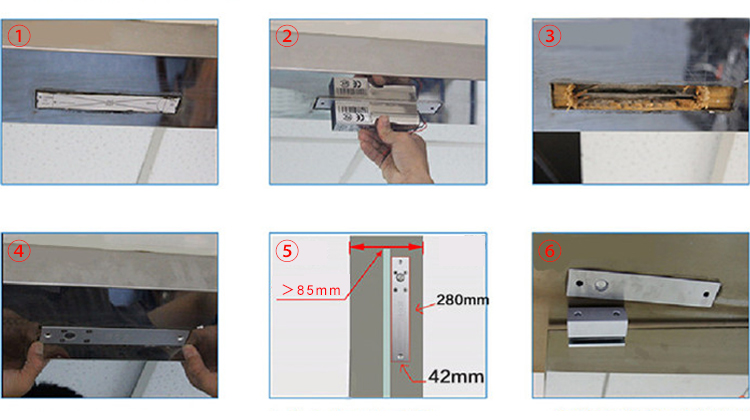
Using the installation template provided in the kit, position it on the door where you want to install the lock. Use a pencil to trace around the template. Make sure the marks are precise; accurate placement is crucial for the effectiveness of the lock.

If your door requires additional reinforcement, such as metal plates behind the strike area, now is the time to prepare those areas as well.


Step 4: Drill Holes and Install the Bracket

With the marked points serving as a guide, use a drill to create holes for mounting screws. Ensure the holes are deep enough to accommodate both the screws and any wall anchors if necessary.

Align the mounting bracket with the holes and use screws to secure it in place. If the door is particularly thick or made from hardwood, consider using wall anchors to provide extra stability.


Step 5: Install the Lock Mechanism

Attach the dropbolt lock mechanism to the mounting bracket following the manufacturer’s instructions. Typically, this involves inserting screws through pre-drilled holes in both the mechanism and bracket. Tighten the screws securely but avoid over-tightening, which can damage the components.


Step 6: Connect Wiring

Electric dropbolt locks often require electrical connections to function. If your kit includes wiring, carefully strip the ends of the wires and match them according to the wiring diagram provided. Use appropriate connectors to ensure a secure connection.

For added safety, double-check that the power supply to your lock matches the requirements indicated in the user manual. Improper voltage can damage the lock or pose a hazard.


Step 7: Test the Lock

Before finalizing the installation, test the lock to ensure it operates smoothly. Engage and disengage the lock several times to verify its functionality. Pay attention to how the bolt aligns with the strike plate and make minor adjustments if necessary.


Step 8: Final Adjustments and Securing

After confirming that the lock works correctly, make any necessary adjustments for alignment. Once satisfied, tighten any remaining screws securely. If there are any exposed wires or components, consider using cable management solutions to keep everything tidy and prevent tampering.

Finally, clean up any debris from the installation site and ensure that all tools are removed. Double-check that everything is secure and properly connected before declaring the installation complete.


Conclusion

By following these detailed steps, even someone with minimal experience can successfully install an access control electric dropbolt lock. Remember to refer back to the user manual throughout the process for specific instructions related to your particular model. With patience and precision, you can significantly bolster your property's security.


Author: Written by Ms.Anna Zhang from S4A INDUSTRIAL CO., LIMITED

S4A

Continue
Is the installation of Fail-secure electric strike lock complicated, and does it require a professional installer?

The installation of a fail-secure electric strike lock is not overly complicated, and in some cases, it may not necessarily require a professional installer. The details are as follows:


Electric strike lock


Installation Complexity

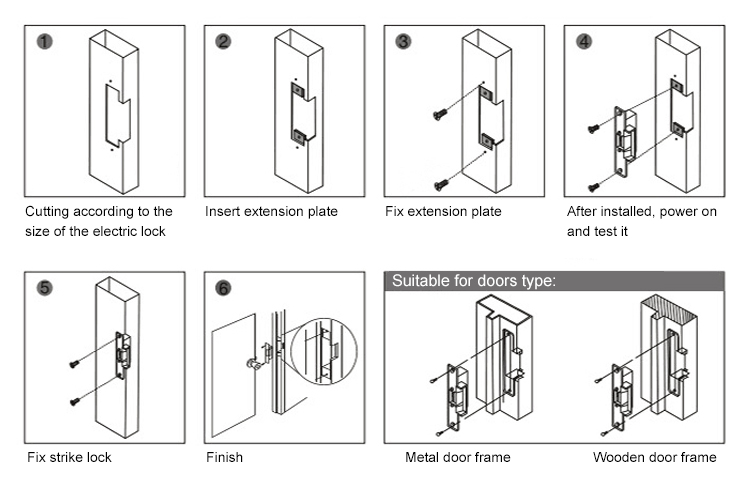
Removing the Old Strike Plate: The first step is to remove the existing non-electric strike plate. This usually requires only a screwdriver, but if the screws are rusted or difficult to remove, some WD-40 or other lubricant may be needed to assist. However, care must be taken not to damage the door frame during the removal process.

Preparing the Installation Space: After removing the old strike plate, you need to make room for the new electric strike. Use a pencil to trace around the edge of the strike on the door frame and confirm the depth of the hole. Then, use a drill or roto-zip to enlarge the hole. This step requires some accuracy to ensure that the hole is of the right size and depth to fit the electric strike lock.

Wiring: An electric strike lock needs wires to provide power and receive control signals. One way is to run the wiring through the wall to a point near the door frame and then drill a deep hole through the door frame to run wires from the lock to the wires in the wall. Another way is to run wires around the inside of the door frame to a connection point on the hinge side of the wall. This part of the work requires some basic knowledge of electrical wiring to ensure the safety and proper connection of the wires.

Installing the Lock: Place the electric strike door lock and make sure that it is aligned correctly so that it slides easily into the strike hole. Screw all pieces in securely. This step needs to ensure that the lock is installed firmly and in the correct position to ensure normal operation.

Connecting to the Control System: The electric strike lock needs to be connected to the central wiring system or access control system. If it is a simple access control system, just connect the power supply and control lines according to the instructions; if it is a more complex system, it may need to be configured and debugged, which requires some understanding of the access control system.


Professional Installation

For Complex Systems or Lack of Experience: If the access control system is complex and involves multiple components and functions, or if you have no experience in electrical work and door lock installation, it is recommended to hire a professional installer. Professional installers have the necessary tools, skills and experience to ensure the correct installation and commissioning of the lock, and can also provide after-sales service and support.

For Simple Installations: If the installation environment is simple and you have some basic DIY skills and electrical knowledge, you can try to install it yourself by following the installation manual provided by the manufacturer. However, before installation, it is necessary to carefully read the manual and understand the installation steps and precautions to avoid mistakes.


Author: Written by Ms.Anna Zhang from S4A INDUSTRIAL CO., LIMITED


S4A

Continue
The difference between access control power supply and switch access control power supply

Many of our customers have inquired about the differences between Linear access control power supplies and Switch access control power supplies. This is because they want to make an informed decision and select the models that best fit their project requirements. Here, we have prepared a detailed comparison between these two types of power supplies to help you understand their distinctions and make a more suitable choice.


       Model

                                PS-300

                               208CK

 Photo


Linear access control power supply


Switch access control power supply


 difference

Linear access control power supply

Switch access control power supply

 common  

 sense

The linear access control power supply has a relatively stable output voltage with small ripple and little load interference. However, its efficiency is low and heat generation is large. Although it provides reliable voltage output and minimal disruption, its energy conversion is less efficient than some alternatives, requiring measures to manage heat for proper functioning. .

The switch access control power supply has high efficiency, low heat, and can provide large power output. But its output ripple is relatively large and may cause interference to some sensitive equipment. Although it has good power and energy-efficient features, in applications with sensitive electronics, additional measures may be needed to reduce ripple impact and ensure proper equipment operation.

       Input

                    AC 180V-230V

                       AC 90-240V

  Advantages

             more stable in voltage

                  more power output

     Output

                         12V 5A

                           12V 5A

     Weight

                          1.9KG

                            1.5KG

    standard 

     cartons

                          10pcs

                            10pcs


In summary, if you require a high-power access control power supply, such as those used in face recognition machines with temperature measurement functions, fingerprint devices, and the like, you may consider opting for 208CK.... On the other hand, if you only have ordinary access control and only need to manage a single door, then we recommend using PS-300. This way, you can select the most suitable power supply according to your specific access control requirements and usage scenarios, ensuring efficient and reliable operation of your access control system.


Author: Written by Ms.Vivian He from S4A INDUSTRIAL CO., LIMITED


S4A INDUSTRIAL CO., LIMITED

Continue
What common mistakes should be avoided when installing a 90 degree automatic door opener?

When it comes to installing a 90-degree automatic door opener, being aware of and avoiding certain common pitfalls is crucial.


1. Inadequate Preparation: A Recipe for Disaster**

- **The Perils of Skipping the Manual**: One of the gravest errors is neglecting to thoroughly read the instruction manual. Every single model of Swing Gate Operators comes with its own unique set of installation procedures, technical details, and safety guidelines. Take, for example, some models that mandate a specific order for attaching the various components. Disregarding this can easily lead to a botched installation that may not only render the opener ineffective but also pose potential safety risks.

-Tool Troubles**: Another common misstep is not having all the essential tools at hand or using the wrong ones. Imagine attempting to install the opener without the appropriate size of screwdrivers, a drill bit that's ill-suited for the task, or a level. This can result in a host of issues such as stripped screws that are difficult to remove or replace, holes that are inaccurately drilled, and improper alignment that can affect the overall functionality and appearance of the door.


Automatic door opener


2. Incorrect Mounting: A Path to Operational Woes

- Door Placement Dilemmas**: Marking incorrect positions for the Swing Gate Operators on the door is an all-too-common blunder. This seemingly small error can have significant consequences, like the door failing to open fully to the desired 90-degree angle or experiencing binding during operation. Consider a scenario where the opener is attached too near the hinge side of the door. In such a case, it simply won't have the necessary leverage to smoothly and completely open the door, leading to a frustrating and potentially dangerous situation.

- **The Alignment Albatross**: Failing to ensure precise alignment between the opener and the actuator (if they are separate components) is a critical faux pas. Misalignment can cause the door to operate in a jerky and uneven manner, with parts constantly rubbing against each other. This not only leads to premature wear and tear but also subjects the components to excessive stress. Over time, this can severely reduce their lifespan and even cause the opener to break down completely, leaving you with a non-functional door.

- **Loose Component Conundrums**: If the screws or bolts used to affix the opener to the door or the actuator to the frame are not tightened adequately, the components will inevitably become loose as time passes. This will result in a wobbly and unstable door operation that is not only an annoyance but also a safety hazard. In the worst-case scenario, the opener could detach from the door, endangering anyone in the vicinity.


3. Electrical and Power - Related Blunders: Hazards Galore

Wiring Woes**: When dealing with an electrically powered door opener, incorrect wiring is a major hazard. This can involve connecting wires to the wrong terminals, ignoring proper color - coding (if it exists), or using an incorrect wire gauge. Such mistakes can have disastrous consequences, including short-circuits that can damage the opener's delicate electronics or, in extreme cases, even spark an electrical fire that can put your property and safety at risk.

Wire Protection Neglect**: Failing to run the wires through conduits or properly insulate and protect them is another common error. Without proper protection, the wires are vulnerable to physical damage from impacts, moisture ingress, or other environmental factors. This can lead to a host of electrical problems that can disrupt the performance of the door opener and require costly repairs.

- **Power Source Pitfalls**: Using a power source that doesn't match the specific requirements of the door opener, such as the wrong voltage or amperage, is a surefire way to damage the unit. Different door openers are designed to operate with particular power supplies, and using an incompatible one can cause overheating and subsequent malfunction, rendering the opener useless and potentially necessitating a replacement.


4. Programming and Adjustment Errors: Functionality Flaws

- The 90-Degree Dilemma**: One frequent oversight is not adjusting the opening angle of the door to precisely 90 degrees. This seemingly minor detail can have a significant impact on both the functionality and aesthetics of the door. It can lead to issues like the door not closing properly, leaving gaps that can affect security and energy efficiency, or interfering with adjacent structures, causing damage over time.

-Programming Predicaments**: Automatic door openers typically come with programmable settings for parameters such as speed, delay time, and obstacle sensitivity. Incorrectly setting these can result in a door that operates erratically. For instance, if the door opens or closes too quickly or slowly, it can be inconvenient and potentially dangerous. Similarly, if the delay time is set incorrectly, the door may not close in a timely manner, compromising security. And if the obstacle - detection sensitivity is too low, there's a real risk of the door closing on an object or a person, which can cause injury and property damage. 


Author: Written by Ms.Anna Zhang from S4A INDUSTRIAL CO., LIMITED

S4A INDUSTRIAL CO., LIMITED


Continue
What is an electric strike lock, and how does it work?

What is an Electric Strike Lock?

An electric strike lock is a vital component in access control systems. It is typically installed on the door frame and works in tandem with a lockset or latch on the door itself.


Physical Structure: Structurally, it consists of a metal housing that contains the internal mechanism. The housing is usually made of durable materials such as stainless steel or high - grade aluminum alloy to withstand the forces exerted during normal door use and potential security threats. Inside the housing, there is a solenoid, which is an electromagnet, and a latch - retracting mechanism.


Function in Access Control: Electric strike locks play a crucial role in modern security setups. They are used in a wide range of applications including commercial buildings (such as offices, hotels, and retail stores), educational institutions, and industrial facilities. They provide a means of electronically controlling access to a building or a specific area within a building. For example, in an office building, employees can use access cards, key fobs, or enter PINs to gain entry through doors equipped with electric strike locks.


Electric Strike Lock


How Does an Electric Strike Lock Work?

Authorization Signal Reception: When a user attempts to gain access, the access control system (such as a card reader, biometric scanner, or keypad) validates the user's credentials. If the credentials are correct, the access control system sends an electrical signal to the electric strike lock. This signal is usually in the form of a low - voltage direct current (DC), typically ranging from 12V to 24V, depending on the specific model of the lock.


Solenoid Activation: The electrical signal activates the solenoid inside the electric strike lock. When the solenoid is energized, it creates a magnetic field that causes a plunger or latch - retracting mechanism to move. This movement disengages the latch or bolt of the door from the strike plate, allowing the door to be opened.


Door Opening and Closing: Once the latch is retracted, the door can be pushed or pulled open. After the user passes through the door and closes it, the electric strike lock resets. In some cases, the reset may occur automatically when the door closes due to the mechanical design of the lock and the interaction with the door latch. In other cases, a separate signal from the access control system may be required to re - engage the latch and secure the door.


Fail - Safe and Fail - Secure Modes: Electric strike locks can operate in two main modes: fail - safe and fail - secure. In a fail - safe mode, if there is a power outage or a disruption in the electrical signal, the lock will automatically disengage, allowing the door to be opened. This is useful in emergency situations such as a fire, ensuring that people can evacuate easily. In a fail - secure mode, a loss of power or signal causes the lock to remain engaged, keeping the door locked. This mode is preferred in high - security applications where it's essential to prevent unauthorized access even in the event of a power failure.


Author: Written by Ms.Anna Zhang from S4A INDUSTRIAL CO., LIMITED


S4A


Continue
Home Archives