What Makes a 20-port Charging Cabinet the Perfect Solution?

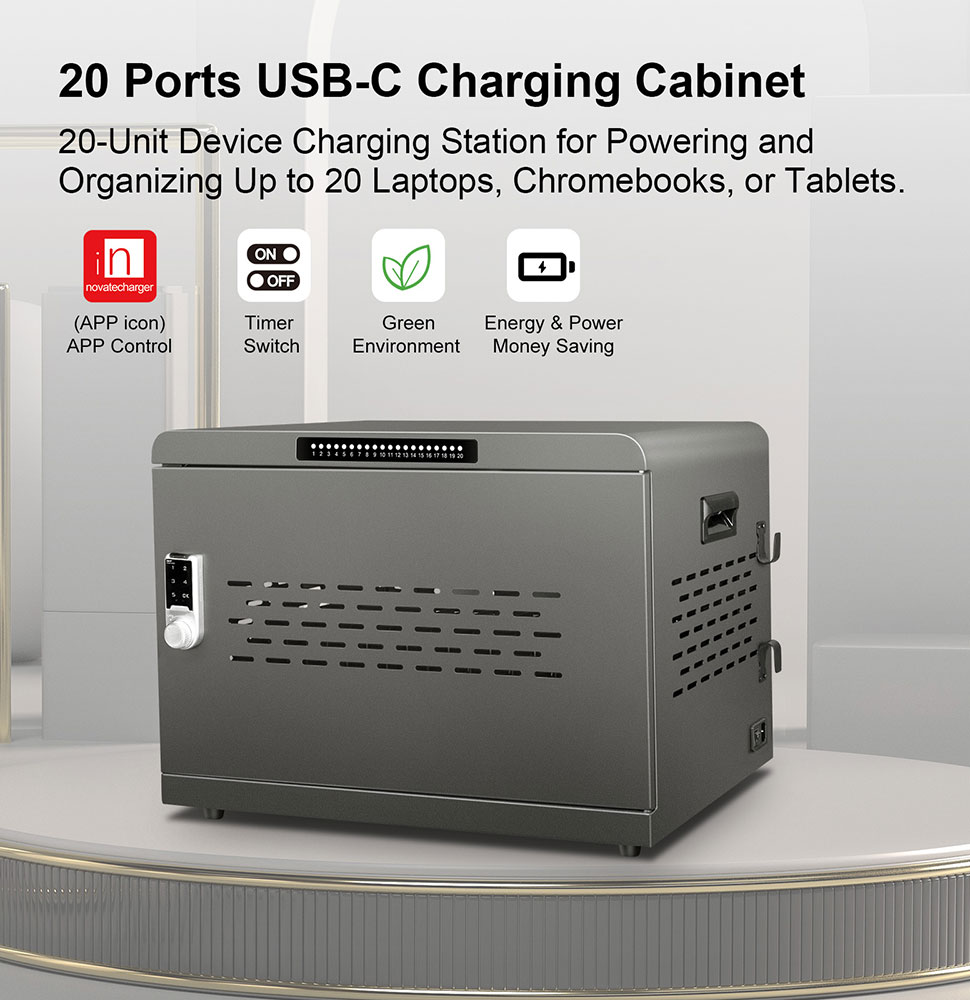
With technology advances, the demand for secure storage and charging of devices in educational institutions and commercial spaces continues to grow. Theeducation Equipment School Charging Cabinet 20-Bay provides an ideal solution to this need. This versatile Chromebook USB-C charging cabinetcan charge up to 20 units simultaneouslywhether laptops, tablets, or Chromebooksensuring that devices are always in optimal condition and ready for use. Each USB-C port delivers a maximum output of 100W and features LED charging indicators, making it easy for users to monitor the charging status of their devices.

In addition to its efficient charging capabilities, the 1000W 20-port USB-C charging cabinet offers robust security features. Its design is tailored to keep devices safe and secure while charging. This PD charging cabinet solution is perfect for educational environments, warehouses, retail stores, and more, effectively protecting devices from loss or damage. Whether in classrooms or offices, you can easily find the right charging and storage solution for your needs, including Chromebook USB-C chargers.

1000W 20-port USB-C charging cabinet

The LVSUN 1000W USB-C charging cabinet boasts a flexible design that adapts to various usage scenarios. You can choose between mobile or fixed-position setups based on your requirements, catering to diverse needs. Whether in a traditional classroom or a modern workspace, this charging cabinet helps create a well-organized, efficient working environment, making device management a breeze. By adopting the LVSUN Education Equipment School Charging Cart 20-Bay, youre not only enhancing the efficiency of your equipment but also providing a better experience for users, making it the best Chromebook charging station setup for your classrooms.

Continue
Why Attend the 2024 IFA Show?

The 2024 IFA Show is globally recognized as one of the most significant platforms for consumer electronics and home appliances. Attendees will have the opportunity to:

  • Experience First-Hand: Get hands-on experience with LVSUN’s innovative chargers and see the technology in action.
  • Engage with Experts: Speak directly with LVSUN's team to gain insights into the future of charging technology.
  • Explore Networking Opportunities: Connect with industry players, distributors, and tech enthusiasts who share a passion for innovative solutions.

 Conclusion

As the 2024 IFA Show approaches, LVSUN GROUP is excited to unveil their pioneering higher-power USB-C chargers that promise to transform the way we think about charging our devices. Join us at the show to witness the future of technology and innovation firsthand!

Stay tuned for more updates from LVSUN as we gear up for an electrifying event in Berlin!

Continue
Why Choose the 100W USB-C Wall Charger for Effortless and Powerful Charging?

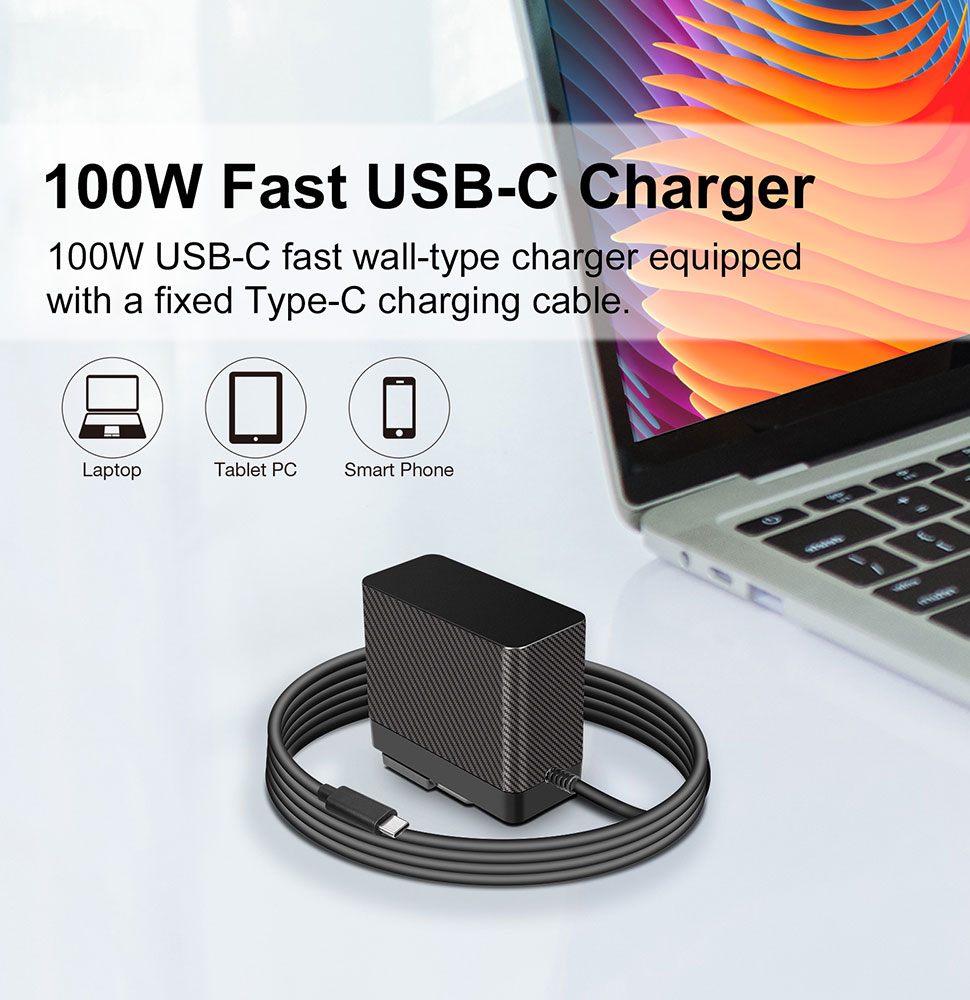
Have you noticed that the charging demands of mobile devices are steadily increasing? The single USB-C fixed 100W wall charger, with its outstanding performance and portability, has become the top choice for modern consumers. This wall charger not only boasts a powerful charging capability but also comes with a 1.8-meter nylon braided Type-C cable, further enhancing the user experience. Lets dive deeper into its unique features.

Firstly, the 100W output power allows this wall charger to quickly charge a variety of devices, including laptops, tablets, and smartphones. This advantage eliminates the hassle of traditional chargers that may not be compatible with multiple devices, as users only need to carry one charger instead of a collection of different ones. The 1.8-meter fixed nylon braided Type-C cable provides greater flexibility, allowing you to charge easily without worrying about the location of the outlet. This is especially convenient for frequent business travelers or those on the go, saving them valuable space and time.

Secondly, this wall charger takes pride in its safety and stability. It is equipped with multiple safety protection mechanisms, such as overcharge protection, short circuit protection, and temperature control, ensuring a worry-free charging process. Whether at home, in the office, or while traveling, users can use it with confidence without concerns about the safety of their devices. Such high-standard safety design fully reflects the progress of technology in terms of user-friendliness.

Additionally, the minimalist design not only makes it easy to carry but also adds a touch of elegance to modern homes. Whether placed on a desk or plugged into a wall, the 100W USB-C wall charger can harmoniously blend with its surroundings. Its compact size and lightweight nature ensure that users wont feel burdened while using it. The rich compatibility also means it is suitable for nearly all popular USB-C devices, truly achieving the ideal of one charger meets all needs.

With its versatile design, efficient charging capability, and safe user experience, the 100W USB-C wall charger, along with its 1.8-meter nylon braided Type-C cable, offers the highest quality charging solution for modern life. Whether you are a student, a professional, or a travel enthusiast, this USB-C wall charger will become your reliable charging companion.

Continue
Why This Charging Station is a Good Investment for Your Organization

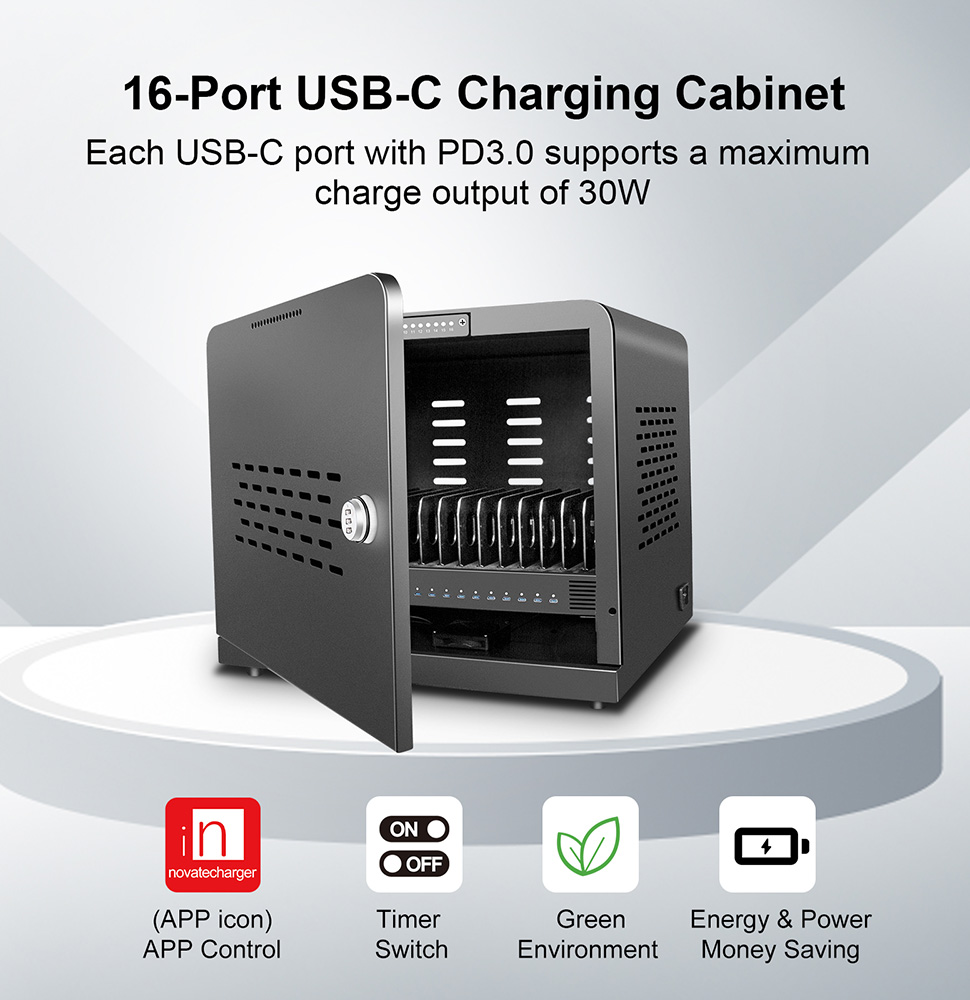
In today’s fast-paced educational and professional environments, managing technology efficiently is crucial. For organizations that rely heavily on tablets—be it in classrooms, libraries, or corporate settings—investing in a quality charging station can transform the way you handle these devices. Here’s why this particular charging station, designed to accommodate up to 16 tablets, is a smart investment:

1. Efficient Charging

In a world where time is of the essence, the ability to charge multiple tablets simultaneously is invaluable. This charging station ensures that all devices are powered up and ready for use when you need them. Its optimized charging system minimizes wait times, allowing users to quickly grab a fully charged tablet and get to work. Whether used in a classroom before a lesson or in a conference room, efficient charging means less downtime and more productivity.

2. Locking Storage

Security is a top concern for any organization that invests in technology. The locking storage feature of this charging station offers peace of mind, safeguarding your tablets from theft or unauthorized access. This is particularly beneficial in public or shared spaces, where devices may be left unattended. By ensuring that your tablets are securely stored when not in use, you can protect your assets and prevent costly losses.

3. Clutter-Reducing Organization

Tangled cords and scattered devices can lead to chaos in any environment. This charging station’s design promotes organization, neatly housing up to 16 tablets in one centralized location. The reduction of clutter not only creates a cleaner workspace but also enhances accessibility. Users can quickly locate and retrieve their tablets without searching through a mess of cables and devices, streamlining the entire process.

4. Flexible Deployment

Every organization has unique needs, and flexibility is key in meeting those requirements. This charging station can easily adapt to various settings—be it in a classroom, an office, or a meeting space. Its versatile design allows you to deploy it wherever tablets are used most frequently, ensuring that you can maintain a cohesive and efficient workflow across your organization. Whether you need it for a fixed location or a mobile solution, the adaptability of this charging station is a strong selling point.

Conclusion

In summary, investing in this tablet charging station is a proactive step towards enhancing the efficiency, security, and organization of your technology management. With its efficient charging capabilities, locking storage, clutter reduction, and flexible design, it meets the demands of modern usage in any setting. By streamlining the management of your devices, you not only protect your investment but also provide a smoother user experience for everyone involved. Upgrade your organization’s tech management today—this charging station is an investment that pays dividends in efficiency and peace of mind.

Continue
Will LVSUN Unveil Its Innovative Multi-Port Charger Products at the October HK GSC Exhibition?

In October 2024, LVSUN will proudly present its latest innovative multi-port charger product designs at the Hong Kong GSC Exhibition, drawing significant attention from industry professionals. The exhibition will focus on LVSUNs multi-port charging solutions ranging from 30W to 2000W, highlighting the companys leadership and commitment to continuous innovation in the charging technology sector.


Leading the Trend with Innovative Design

LVSUN continually updates its charging product designs to provide users with a convenient and efficient charging experience. The showcased multi-port chargers can charge multiple devices simultaneously, meeting users' everyday charging needs. Whether its smartphones, tablets, or laptops, LVSUN's multi-port chargers efficiently support a variety of devices.


Flexible Power Options

LVSUN's product range spans from 30W to 2000W, allowing users to choose the most suitable product based on their needs. For home users, we offer low-power charging solutions for daily use, while the 2000W products cater to commercial users requiring high-power charging solutions for heavy loads.


Intelligent Protection Technology

LVSUN's multi-port products incorporate advanced intelligent protection technologies to prevent overcharging, short circuits, and overheating, ensuring a safe and reliable charging experience for every user.


Commitment to Green and Sustainable Practices

Alongside technological innovation, LVSUN adheres to green and sustainable principles. Our designs prioritize functionality, safety, and environmental impact, utilizing sustainable materials and energy-efficient designs to minimize environmental impact.LVSUN looks forward to sharing our innovative products and ideas with industry partners. We welcome all attendees to visit our booth 6P20 of Global Sources Consumer Electronics 2024 to learn more about our new series of multi-port chargers.


LVSUN looks forward to sharing our innovative products and ideas with industry partners. We welcome all attendees to visit our booth 6P20 of Global Sources Consumer Electronics 2024 to learn more about our new series of multi-port chargers.

Continue
How to choose a military watch

When embarking on the journey to select the perfect outdoor tactical sport watch, several crucial factors should guide your decision - making process.

First and foremost, durability is non - negotiable. Military watches are designed to endure harsh environments, so prioritize models constructed from robust materials such as stainless steel or high - grade polymers. A watch with excellent water resistance, preferably at least 50 meters, ensures it can withstand rain, splashes, and even brief submersion, making it suitable for various missions and outdoor activities. Shock resistance is another vital aspect, as it safeguards the watch's internal mechanisms from damage caused by impacts.

Legibility is also key. In low - light or chaotic situations, a watch with a clear and easy - to - read dial can be a lifesaver. Look for large, bold numerals and hands, along with luminous markers that provide visibility in the dark without requiring additional light sources.

Functionality is where military watches truly shine. Features like a built - in compass offer reliable navigation when electronic devices may fail. GPS - enabled watches provide precise location tracking, while a long - lasting battery ensures continuous operation over extended periods. Consider additional functions such as stopwatches, countdown timers, and altimeters based on your specific needs.

Finally, don't forget to choose a style that resonates with you. Whether you prefer a classic, minimalist look or a more tactical, feature - rich design, there's a military watch out there that combines your desired aesthetic with the necessary performance. And of course, stay mindful of your budget to find the best value for your investment.

  • outdoor tactical sport watch
  • rugged outdoor watches
  • gps military watch


--------------------------

Continue
USTC Team《AM》 | CIQTEK SEM Assists in The Microscopic Morphology Analysis of Potassium Metal Anode


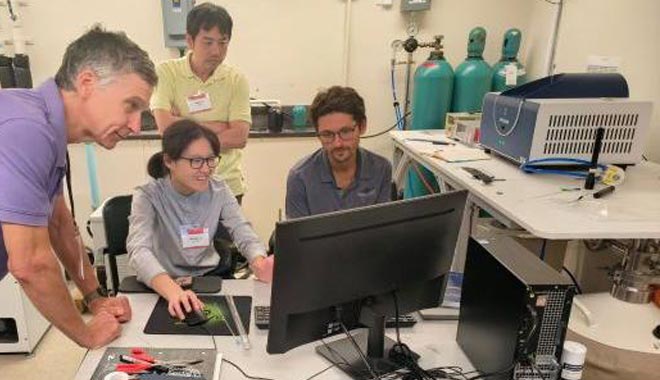
Professor Yan Yu's team at USTC utilized the CIQTEK Scanning Electron Microscope SEM3200 to study the post-cycling morphology. It developed amorphous carbon with controllable defects as a candidate material for an artificial interface layer balancing potassiophilicity and catalytic activity.


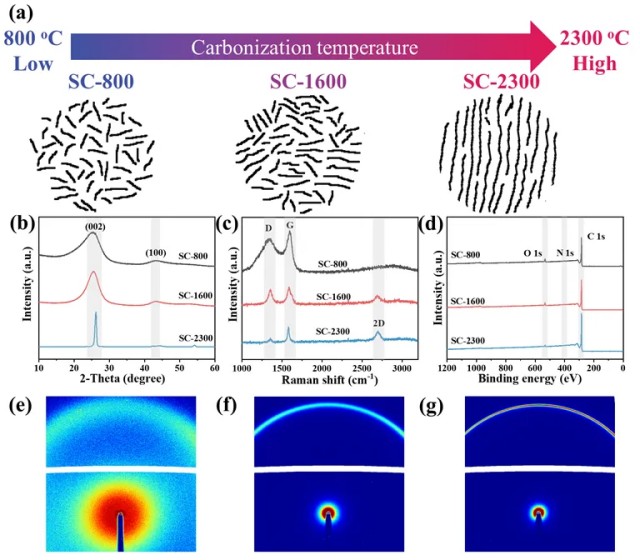
The research team prepared a series of carbon materials with different degrees of defects (designated as SC-X, where X represents the carbonization temperature) by regulating the carbonization temperature. The study found that SC-800 with excessive defects caused substantial electrolyte decomposition, resulting in an uneven SEI film and shortened cycle life. SC-2300, with the fewest defects, had insufficient affinity for potassium and easily induced potassium dendritic growth. SC-1600, which possessed a locally ordered carbon layer, exhibited an optimized defect structure, achieving the best balance between potassiophilicity and catalytic activity. It could regulate the electrolyte decomposition and form a dense and uniform SEI film.


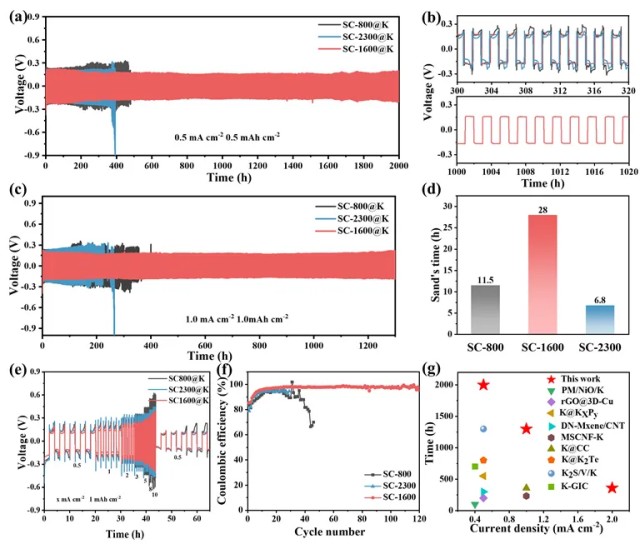
The experimental results demonstrated that SC-1600@K exhibited long-term cycle stability for up to 2000 hours under a current density of 0.5 mA cm-2 and a capacity of 0.5 mAh cm-2. Even under higher current density (1 mA cm-2) and capacity (1 mAh cm-2), it maintained excellent electrochemical performance with stable cycles exceeding 1300 hours. In full-cell testing, when paired with a PTCDA positive electrode, it maintained 78% capacity retention after 1500 cycles at a current density of 1 A/g, demonstrating outstanding cycle stability.


This research, titled "Balancing Potassiophilicity and Catalytic Activity of Artificial Interface Layer for Dendrite-Free Sodium/Potassium Metal Batteries," was published in Advanced Materials.

Figure 1: The microstructure analysis results of carbon samples (SC-800, SC-1600, and SC-2300) prepared at different carbonization temperatures are presented. Through techniques such as X-ray diffraction (XRD), Raman spectroscopy, X-ray photoelectron spectroscopy (XPS), and wide-angle X-ray scattering (WAXS), the crystal structure, defect level, and oxygen and nitrogen doping of these samples were analyzed. The results showed that as the carbonization temperature increased, the defects in the carbon materials gradually decreased, and the crystal structure became more orderly.


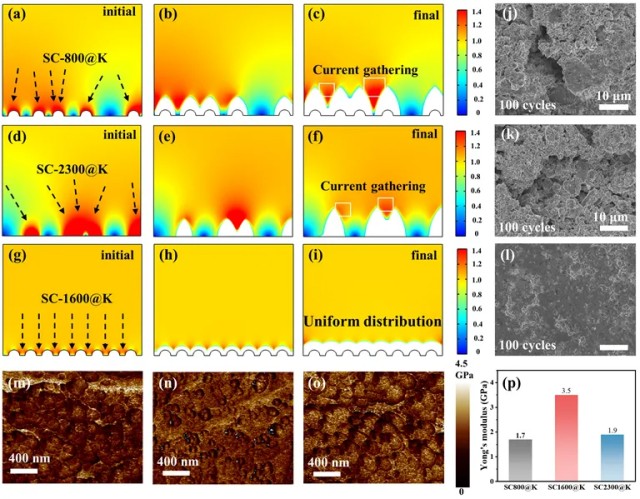
Figure 2: The current density distribution during potassium metal growth on different composite negative electrodes was analyzed using finite element simulation. The simulation results showed that the SC-1600@K composite electrode exhibited a uniform current distribution during potassium deposition, which helped suppress dendritic growth effectively. Additionally, the Young's modulus of the SEI layer was measured using atomic force microscopy (AFM), and the results showed that the SEI layer on the SC-1600@K electrode had a higher modulus, indicating its stronger firmness and inhibition of dendritic formation.


Figure 3: The electrochemical performance of different composite electrodes (SC-800@K, SC-1600@K, and SC-2300@K) in symmetrical cells is presented. The SC-1600@K electrode exhibited excellent cycle stability and low overpotential at different current densities and capacities. Furthermore, electrochemical impedance spectroscopy (EIS) and Sand's time testing further confirmed the advantages of the SC-1600@K electrode in suppressing dendritic growth and maintaining SEI layer stability.


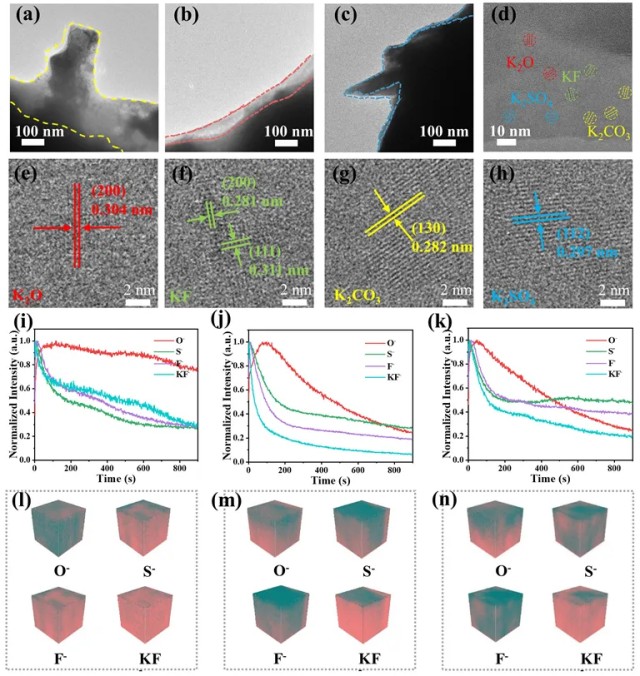
Figure 4: The structure and composition of the SEI layer on different composite negative electrodes were analyzed using cryogenic transmission electron microscopy (Cryo-TEM) and time-of-flight secondary ion mass spectrometry (ToF-SIMS). The results showed that the SC-1600@K electrode had a uniform, thin, and inorganic-rich SEI layer, facilitating fast potassium ion transport kinetics and high Young's modulus. The SEI layers on the SC-800@K and SC-2300@K electrodes exhibited thicker and organic-rich characteristics.


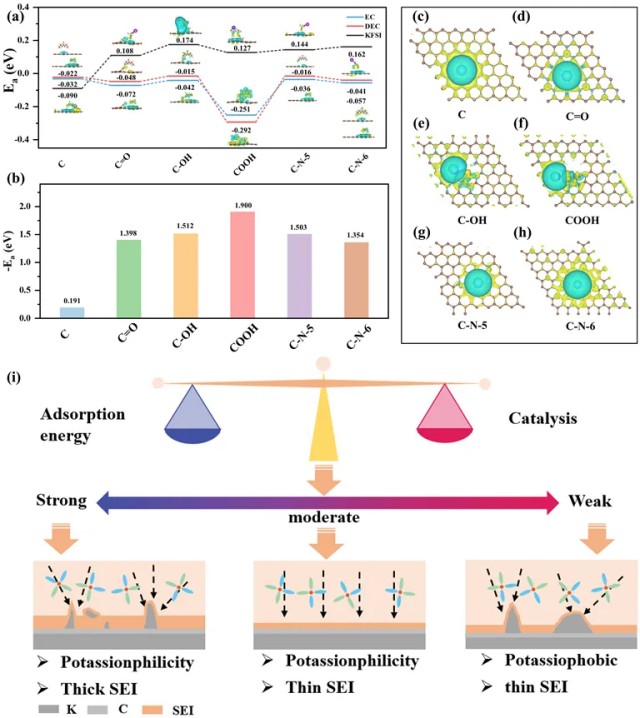
Figure 5: The effects of defect configuration in the carbon layer on potassium ion deposition and SEI formation were explored using density functional theory (DFT) calculations. The results showed that an appropriate amount of defects could enhance the interaction between potassium ions and the carbon layer, reducing the nucleation overpotential, while excessive defects could lead to excessive electrolyte decomposition.


Figure 6: The electrochemical performance of a full cell (PTCDA//SC-1600@K) assembled using the SC-1600@K electrode is presented. This cell exhibited excellent rate performance and long-term cycle stability at different current densities, demonstrating the potential of the SC-1600@K electrode in practical battery applications.


In conclusion, the research team successfully designed and prepared a carbon material (SC-1600) with a locally ordered structure, serving as an artificial interface layer for sodium/potassium metal battery negative electrodes. By precisely controlling the defect content of the material, the team achieved the optimal balance between potassiophilicity and catalytic activity, significantly improving the uniform deposition of potassium ions and promoting the formation of a stable SEI layer. In a potassium symmetrical cell based on SC-1600 in a carbonate electrolyte system, SC-1600@K exhibited excellent cycle stability with a cycle life exceeding 2000 hours. Notably, a full cell assembled with the SC-1600@K negative electrode and PTCDA positive electrode maintained 78% capacity retention after 1500 cycles at a high current density of 1 A/g. This research not only established a model system for optimizing the SEI structure and potassium ion adsorption by controlling the interfacial layer defects but also provided important theoretical guidance and a technological pathway for the rational design of protective interfacial layers in potassium metal batteries.

Continue
How to Choose Between X-Band and Q-Band EPR Systems for Your Budget

Electron Paramagnetic Resonance (EPR) spectroscopy remains a cornerstone in analyzing unpaired electrons, whether in free radicals, transition metals, or defect sites. However, when selecting between X-band and Q-band EPR systems, researchers often face a classic dilemma: how to match performance needs with budget realities.

Here’s a practical breakdown to help European labs and research teams navigate this decision—and why many are choosing flexible EPR systems like CIQTEK’s to get the best of both worlds.


Performance Trade-Offs: Sensitivity vs. Resolution

X-band EPR (≈9.5 GHz) is by far the most commonly used band. It offers a great balance of sensitivity, hardware availability, and ease of sample handling. It’s particularly suited for general-purpose applications:

  • Organic radicals

  • Transition metal complexes

  • Spin labeling in biomolecules

In contrast, Q-band EPR (≈35 GHz) provides higher spectral resolution due to increased Zeeman splitting and better orientation selectivity. However, this comes with practical considerations—cryogenic compatibility becomes more critical, and sample tuning can be more sensitive.

For labs doing high-resolution studies of biological macromolecules or probing fine structural changes in solid-state samples, Q-band can offer real advantages—if the infrastructure is ready.


Typical Price Ranges in Europe

Budget plays a decisive role. Based on recent European procurement data:

  • X-band CW EPR systems typically range from €100,000 to €250,000, depending on features like variable temperature accessories or pulse capability.

  • Q-band systems start around €250,000 and can exceed €500,000, especially when combined with pulsed capabilities and cryogenic sample handling.

This cost gap makes X-band the default choice for most labs—especially teaching labs, material science departments, or first-time EPR users.

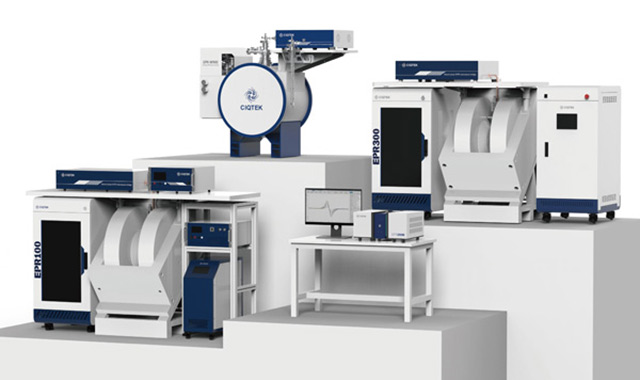
CIQTEK benchtop EPR system is a strong performer here. With X-band capability, built-in temperature control, and a space-saving design, it has been installed in both US and EU university labs where compactness and quick setup are key priorities.

ciqtek benchtop epr


Use-Case Match: Materials vs. Biological Samples

X-band covers a broad range of material research, from battery cathodes to polymer radicals, while Q-band offers finer insight into g-tensor anisotropy, valuable in protein structure, spin-labeled enzymes, and advanced pharmacological studies.

Labs working with diverse sample types may benefit from EPR systems that are modular or upgradable, depending on research evolution.

CIQTEK’s CW-Pulse EPR system supports both CW and time-resolved measurements at X-band and is designed with future expansion in mind, including Q-band add-ons in pipeline development.

ciqtek epr spectroscopy


Financing Options & Leasing Programs

European labs increasingly look at leasing programs or research consortium sharing models to offset initial costs. CIQTEK partners with distributors in Europe to offer flexible financing, demo units, and pilot trials, which several research groups in Germany and the UK have already taken advantage of.

This approach helps research teams validate hardware before major investment, while also supporting customized workflows—from materials engineering to bioinorganic chemistry.


Making the Right Choice

When choosing between X-band and Q-band, it’s not just about frequency—it’s about your lab’s focus, resources, and future trajectory. Many labs are discovering that a powerful X-band system with strong support, user-friendly software, and cost-efficiency delivers the best long-term value.


Contact CIQTEK to discuss the right EPR configuration for your research—and request a quote or on-site demo tailored to your region.


Continue
Application of EBSD in SEM

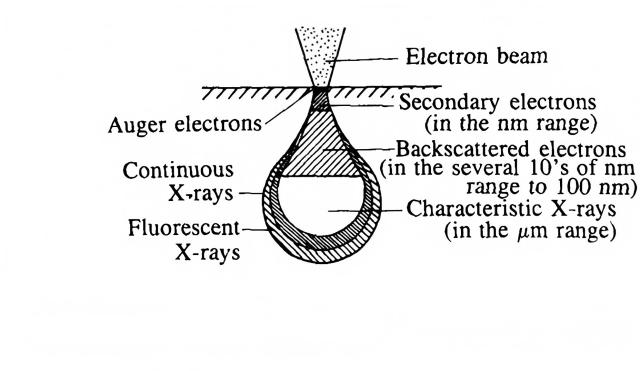
Electron Backscatter Diffraction (EBSD) is a widely used microscopy technique in material science. It analyzes the angles and phase differences of the backscattered electrons produced when a sample interacts with a high-energy electron beam to determine key characteristics such as crystal structure and grain orientation. Compared to a traditional Scanning Electron Microscope (SEM), EBSD provides higher spatial resolution and can obtain crystallographic data at the sub-micrometer level, offering unprecedented details for analyzing material microstructures.


Characteristics of the EBSD Technique


EBSD combines the microanalysis capabilities of Transmission Electron Microscope (TEM) and the large-area statistical analysis capabilities of X-ray diffraction. EBSD is known for its high-precision crystal structure analysis, fast data processing, simple sample preparation process, and the ability to combine crystallographic information with microstructural morphology in material science research. SEM equipped with an EBSD system not only provides micro-morphology and composition information but also enables microscopic orientation analysis, greatly facilitating the work of researchers.


Application of EBSD in SEM


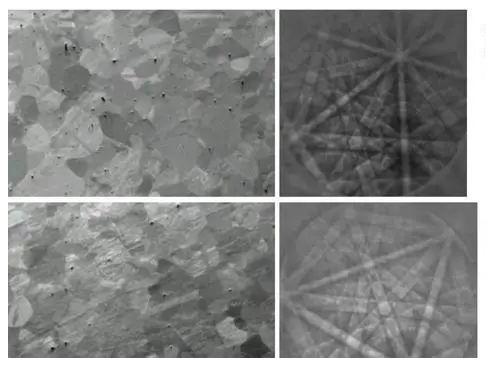
In SEM, when an electron beam interacts with the sample, various effects are generated, including the diffraction of electrons on regularly arranged crystal lattice planes. These diffractions form a "Kikuchi pattern," which not only contains information about the symmetry of the crystal system but also directly corresponds to the angle between crystal planes and crystallographic axes, with a direct relationship to the crystal system type and lattice parameters. This data can be used to identify crystal phases using the EBSD technique, and for known crystal phases, the orientation of the Kikuchi pattern directly corresponds to the orientation of the crystal.


EBSD System Components


To perform EBSD analysis, a set of equipment including a Scanning Electron Microscope and an EBSD system is required. The core of the system is the SEM, which produces a high-energy electron beam and focuses it on the sample surface. The hardware part of the EBSD system usually includes a sensitive CCD camera and an image processing system. The CCD camera is used to capture the backscattered electron images, and the image processing system is used to perform pattern averaging and background subtraction to extract clear Kikuchi patterns.


Operation of the EBSD Detector


Obtaining EBSD Kikuchi patterns in SEM is relatively simple. The sample is tilted at a high angle relative to the incident electron beam to enhance the backscattered signal, which is then received by a fluorescent screen connected to a CCD camera. The EBSD can be observed directly or after amplification and storage of the images. Software programs can calibrate the patterns to obtain crystallographic information. Modern EBSD systems can achieve high-speed measurements and can be used in conjunction with Energy-Dispersive X-ray Spectroscopy (EDS) probes to perform compositional analysis while rapidly obtaining sample orientation information.


Sample Preparation Principles


For effective EBSD analysis, sample preparation needs to follow certain principles, including the absence of residual stress, a flat surface (mechanical polishing), cleanliness, suitable shape and size, and good conductivity. The sample preparation process may involve ion etching, polishing, and other steps to ensure that the sample surface is suitable for EBSD analysis.


EBSD Calibration and Surface Scanning


Calibration is a critical step in the EBSD analysis process, ensuring an accurate correspondence between the Kikuchi patterns and crystallographic parameters. Surface scanning is another important application of EBSD technology, allowing researchers to perform extensive crystallographic analysis on the sample surface, thereby obtaining a comprehensive view of the material's microstructure.


Continue
How to integrate automatic doors with building access control systems?

Integrating automatic doors with building access control systems involves several key steps, from understanding the components to programming and testing the system. Here's a detailed guide:


automatic door opener

Access control system


1. Understand the Components

Automatic Door Operator: This is the device that controls the opening and closing of the door. It typically consists of a motor, controller, and sensors.

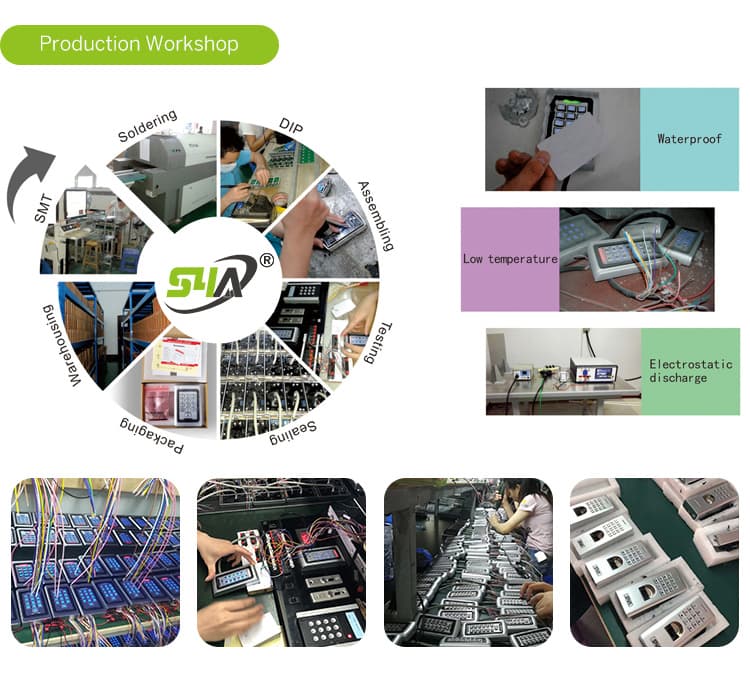
Access Control System: This system manages and monitors access to the building. It includes components such as card readers, keypads, biometric scanners, access control panels, and software.

1745372531547762.jpg


2. Choose the Right Integration Method

Wired Integration: This involves connecting the automatic door operator directly to the access control system using cables. It provides a reliable and stable connection but may require more installation effort and is less flexible if you need to make changes in the future.

Wireless Integration: Utilizes wireless technologies like Bluetooth, Wi - Fi, or Z - Wave to connect the door operator to the access control system. It offers more flexibility in installation and is easier to modify or expand, but may be subject to signal interference.


3. Install and Configure the Hardware

Install the Access Control Devices: Mount the card readers, keypads, or biometric scanners at the entrances where the automatic doors are located. Connect them to the access control panel according to the manufacturer's instructions.

Connect to the Door Operator: If using a wired integration, connect the appropriate wires from the access control panel to the door operator's control inputs. For wireless integration, pair the door operator with the access control system following the wireless setup procedures.


4. Program the Access Control System

Define Access Levels: Determine who has access to the building and which doors they can access. For example, employees may have access to certain areas during working hours, while visitors may have limited access.

Set Up User Credentials: Enroll the user's information, such as card numbers, PINs, or biometric data, into the access control system. Each user should be assigned the appropriate access level.


5. Configure the Automatic Door Settings

Adjust Opening and Closing Speeds: Set the speed at which the door opens and closes to ensure smooth and safe operation. This may need to be adjusted based on the traffic flow and the type of users (e.g., slower for elderly or disabled individuals).

Set Time Delays: Determine the amount of time the door stays open after being triggered. This should be long enough for people to pass through comfortably but not so long that it affects security or energy efficiency.


6. Test and Troubleshoot

Test Access: Use the various access credentials (cards, PINs, biometrics) to test if the automatic doors open and close as expected. Check for any delays, errors, or failures in the operation.

Check Sensor Functionality: Ensure that the door sensors, such as motion sensors or infrared sensors, are working correctly. They should detect the presence of people or objects accurately to trigger the door opening.

Verify Security Features: Test the security features of the system, such as anti - tailgating mechanisms and door locking functions when access is denied.


7. Regular Maintenance and Updates

Maintain the System: Regularly check the hardware for any signs of wear or damage. Clean the card readers, sensors, and door tracks to ensure proper functioning.

Update Software and Firmware: Keep the access control system's software and the door operator's firmware up to date. Manufacturers often release updates to improve performance, fix bugs, and enhance security.

Professional installation and integration services are recommended to ensure the proper functioning and security of the system. Additionally, local building codes and regulations should be followed during the installation process.


Author: Written by Ms.Anna Zhang from S4A INDUSTRIAL CO., LIMITED


1745372638621776.jpg

Continue
Home Archives