Why Does an HC-49/U Crystal Need a Spacer? Core Functions & Common Frequency Solutions

During the debugging of Gigabit Ethernet equipment or high-end audio interfaces, engineers often encounter a precise challenge: an HC-49/U quartz crystal, nominally rated at 25.000MHz or 24.576MHz, shows a tiny frequency deviation, causing equipment to desynchronize or impairing audio quality. A cost-effective and common solution is placing a small spacer under the crystal's metal shell. This is not just a mechanical fix but a precise frequency-tuning process. So, what is the core purpose of adding a spacer to an HC-49/U crystal, and which frequencies most commonly require it?

 HC-49/U crystal with spacer

           HC-49/U Crystal with Spacer


Core Function  1: Precision Frequency Trimming for Strict Standards  

The primary role of a spacer is  precision frequency micro-adjustment. The frequency of an HC-49/U crystal is highly sensitive to changes in its load capacitance. Adding an insulating spacer increases the distance between the quartz wafer and the metal base, thereby reducing the equivalent parallel capacitance. For a fundamental-mode crystal, this causes its resonant frequency to increase slightly(and vice-versa). By selecting spacers of different thicknesses, fine calibration at the ppm level is achievable.


This is critical in high-speed communication and high-precision audio applications.

For instance:

  • 25.000MHz is standard for Gigabit Ethernet, which has extremely strict timing requirements.
  • 24.576MHz is a standard frequency for professional audio equipment, where any deviation can affect sound quality.
  • 3.6864MHz is often used for UART communication, requiring accurate baud rate generation.


The frequency accuracy demands in these applications far exceed those of ordinary circuits, making spacer installation an essential final-tuning step in the manufacturing process.


Core Function  2: Mechanical Protection for Enhanced Reliability  

The internal quartz wafer of an HC-49/U crystal is very fragile. A spacer, typically made of an elastic material like silicone or rubber, acts as a shock absorber. It dampens external vibration and mechanical shock, preventing the delicate wafer from cracking under stress. Furthermore, it maintains a safe distance between the wafer and the conductive metal casing, preventing potential short circuits caused by casing deformation during assembly or transport. This significantly enhances the long-term reliability of the component, which is vital for crystals used in industrial or automotive applications.


Core Function  3: Environmental Sealing for Long-Term Stability  

A high-quality spacer also serves to   stabilize the crystal's internal environment  . Spacers with excellent airtightness help maintain the hermetic seal of the crystal package, preserving the inert gas (like Nitrogen) fill inside. This effectively blocks moisture and contaminants from entering, which is crucial for slowing the aging process of the crystal and ensuring long-term frequency stability.


Common Frequencies and Application Scenarios  

Based on our production experience, the following HC-49/U crystal frequencies frequently require spacer adjustment for optimal performance:


Frequency (MHz) Common Application Areas Accuracy Requirement
24.576MHz  High-End Audio Equipment (Audio Interfaces, Mixers) Very High
25.000MHz  Gigabit Ethernet, Fiber Channel, Servers Very High
3.6864MHz  Asynchronous Serial Communication (UART) High
4.194304MHz  Real-Time Clocks (RTC) High
3.072MHz Communication Equipment High
24.000MHz Video Processing, Graphics Cards High
12.000MHz Embedded Systems, Networking Equipment Medium-High
16.000MHz Microprocessor Clocking Medium-High
10.000MHz Microprocessor Clocking, General Purpose Medium
6.400MHz Industrial Control Systems Medium


In summary, adding a spacer to an HC-49/U crystal is a highly effective solution that combines frequency trimming, mechanical protection, and environmental sealing. If you are facing frequency deviation challenges with critical components like 24.576MHz or 25.000MHz crystals, this simple hardware modification can be the perfect solution.

Contact Us

Want to know more about A-Crystal’s Technology products?

Need selection the model or technical consultation?

Feel free to contact us via the following methods!


Tel: 0086-576-89808609  

Email: market@acrystals.com


Website: [www.acrystals.com](http://www.acrystals.com)  


Continue
CIQTEK SEM and EPR Reveal a New Pathway for Nickel-Citrate Removal

With the rapid expansion of new energy, mining, metallurgy, and electroplating industries, nickel pollution in water bodies has become a growing threat to environmental quality and human health. During industrial processes, nickel ions often interact with various chemical additives to form highly stable heavy-metal organic complexes (HMCs). In nickel electroplating, for example, citrate (Cit) is widely used to improve coating uniformity and brightness, but the two carboxyl groups in Cit readily coordinate with Ni²⁺ to form Ni–Citrate (Ni-Cit) complexes (logβ = 6.86). These complexes significantly alter nickel’s charge, steric configuration, mobility, and ecological risks, while their stability makes them challenging to remove with conventional precipitation or adsorption methods.

Currently, "complex dissociation" is regarded as the key step in removing HMCs. However, typical oxidation or chemical treatments suffer from high cost and complicated operation. Therefore, multifunctional materials with both oxidative and adsorptive capabilities offer a promising alternative.

Researchers from Beihang University, led by Prof. Xiaomin Li and Prof. Wenhong Fan, used the CIQTEK scanning electron microscope (SEM) and electron paramagnetic resonance (EPR) spectrometer to conduct an in-depth investigation. They developed a new strategy using KOH-modified Arundo donax L. biochar to efficiently remove Ni-Cit from water. The modified biochar not only showed high removal efficiency but also enabled nickel recovery on the biochar surface. The study, titled “Removal of Nickel-Citrate by KOH-Modified Arundo donax L. Biochar: Critical Role of Persistent Free Radicals”, was recently published in Water Research.


CIQTEK SEM & EPR Reveal a New Pathway for Nickel-Citrate Removal


Material Characterization

Biochar was produced from Arundo donax leaves and impregnated with KOH at different mass ratios. SEM imaging (Fig. 1) revealed:

  • The original biochar (BC) exhibited a disordered rod-like morphology.

  • At a 1:1 KOH-to-biomass ratio (1KBC), an ordered honeycomb-like porous structure was formed.

  • At ratios of 0.5:1 or 1.5:1, pores were underdeveloped or collapsed.

  • BET analysis confirmed the highest surface area for 1KBC (574.2 m²/g), far exceeding other samples.

SEM and BET characterization provided clear evidence that KOH modification dramatically enhances porosity and surface area—key factors for adsorption and redox reactivity.


Figure 1. Preparation and characterization of KOH-modified biochar.Figure 1. Preparation and characterization of KOH-modified biochar.


Performance in Ni-Cit Removal

Figure 2Figure 2.
(a) Removal efficiency of total Ni by different biochars;
(b) TOC variation during Ni–Cit treatment;
(c) Effect of Ni–Cit concentration on the removal efficiency of 1KBC;
(d) Effect of pH on the removal performance of 1KBC;
(e) Influence of coexisting ions on Ni–Cit removal by 1KBC;
(f) Continuous-flow removal performance of Ni–Cit by 1KBC.
(Ni–Cit = 50 mg/L, biochar dosage = 1 g/L)


Batch experiments demonstrated strong removal performance:

  • At 50 mg/L Ni-Cit and 1 g/L material dosage, 1KBC removed 99.2% of total nickel within 4 hours, compared to 32.6% for BC.

  • TOC removal reached 31% for 1KBC, confirming that Ni-Cit undergoes complex dissociation followed by Ni²⁺ adsorption.

  • Even at 100 mg/L Ni-Cit, the removal efficiency remained above 93%.

  • 1KBC maintained excellent performance across a wide pH range (pH > 5).

  • Phosphate significantly inhibited removal due to solution acidification and competitive complexation with Ni²⁺.

  • In continuous-flow tests, a 1KBC-packed fixed-bed reactor operated for 6900 minutes, treating 460 bed volumes, while maintaining effluent Ni < 0.5 mg/L.


Post-Treatment Material Characterization

Figure 3. Morphology and EDS comparison of the material before (a) and after (b) Ni–Cit removal; (c) XPS spectra of surface Ni 2p after the removal process.Figure 3. Morphology and EDS comparison of the material before (a) and after (b) Ni–Cit removal;
(c) XPS spectra of surface Ni 2p after the removal process.


Recovered biochar (R1KBC) showed:

  • No significant morphological changes.

  • Uniform Ni distribution confirmed by EDS mapping.

  • XPS spectra displayed both Ni²⁺ and Ni³⁺ peaks, direct evidence of oxidative complex dissociation.


EPR-Based Identification of ROS

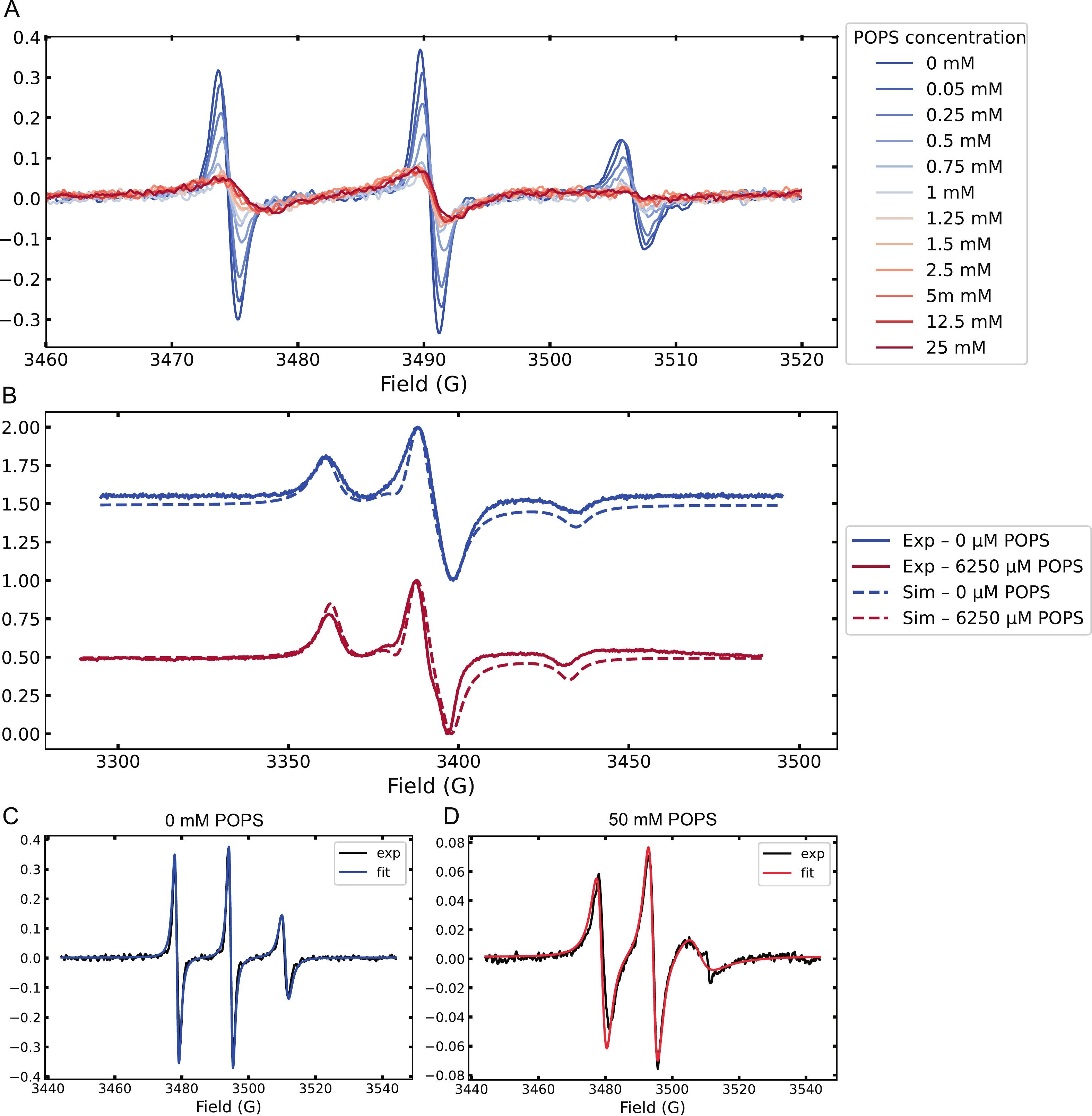
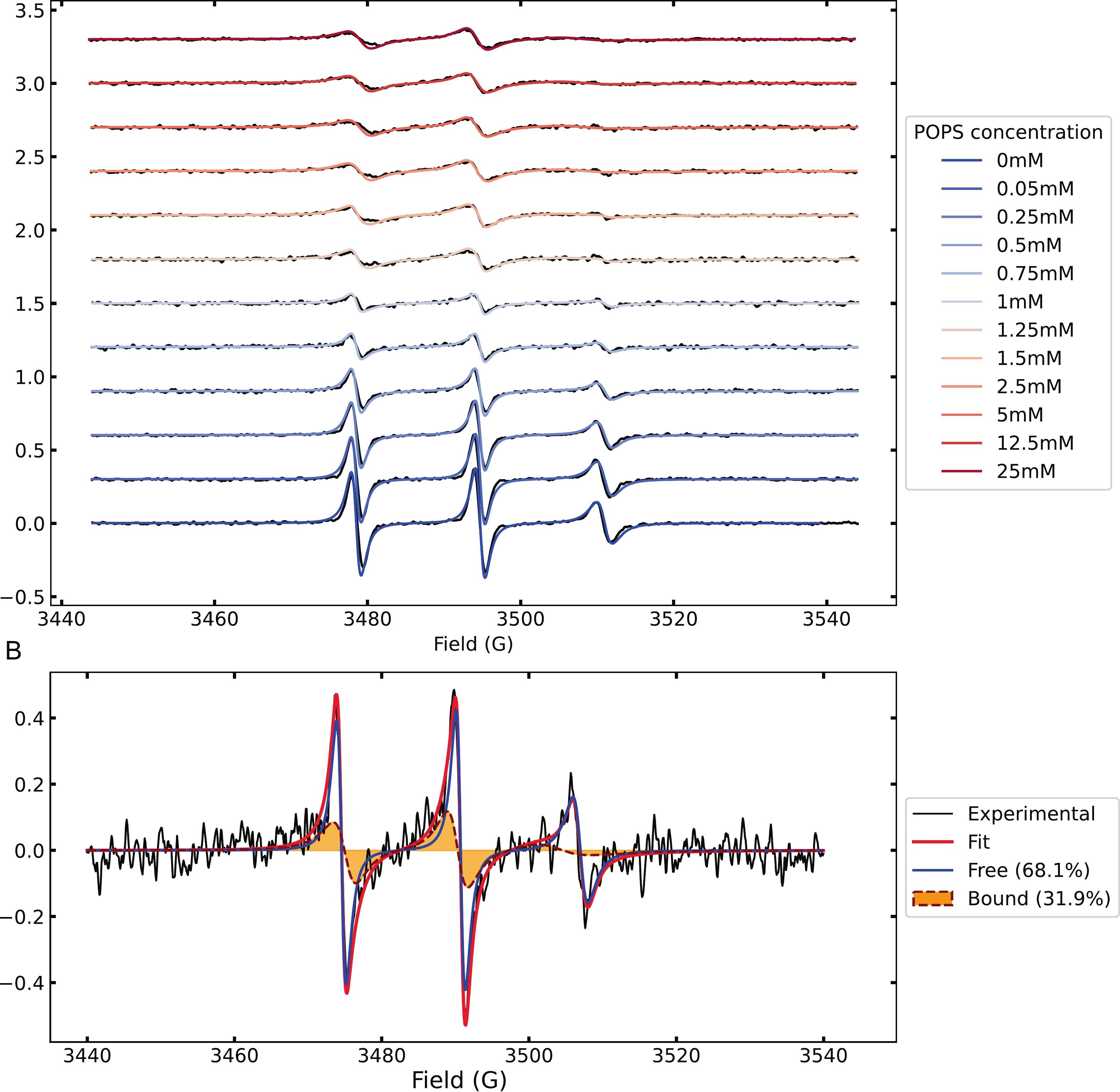
Figure 4. EPR measurementsFigure 4. EPR measurements:
(a) TEMP-trapped ¹O₂ generated by biochar;
(b, c) BMPO-trapped •OH and O₂•⁻ generated by biochar;
(d) Hyperfine splitting fitting analysis of the 1KBC signal in panel (c).


Using the CIQTEK EPR spectrometer, the team identified reactive oxygen species (ROS) generated on the biochar surface:

  • ¹O₂: strong TEMP–¹O₂ triple signal (1:1:1, AN = 17.32 G) observed only in 1KBC.

  • OH: BMPO–•OH quartet detected in both BC and 1KBC, but much stronger in 1KBC.

  • O₂•⁻: identified through BMPO–•OOH signals in methanol-containing systems.

1KBC produced significantly higher levels of ¹O₂, •OH, and O₂•⁻ than BC, confirming the enhanced redox activity induced by KOH modification.


Free Radical Quenching Experiments

Figure 5.Figure 5.
(a) Effect of ¹O₂; (b) •OH; and (c) O₂•⁻ on Ni–Cit removal efficiency;
(d) Inhibition rates of different ROS on Ni–Cit removal.


By introducing quenchers, FFA (¹O₂), p-BQ (O₂•⁻), and methanol (•OH)—the team quantified the contributions of different ROS:

O₂•⁻ inhibition (55%) > ¹O₂ inhibition (17%) > •OH inhibition (12%)

This ranking indicates that O₂•⁻ plays the dominant role in Ni-Cit degradation and complex dissociation.


Role of PFRs and ROS Generation Mechanism

Figure 6.Figure 6.
(a) Detection of surface PFRs in biochar;
(b) Effect of PFR quenching on Ni–Cit removal by biochar;
(c) ¹O₂, (d) •OH, and (e) O₂•⁻ signals in 1KBC and TEA-treated samples;
(f) Schematic of ROS transformation pathways.


Persistent free radicals (PFRs) in biochar are closely linked to ROS formation. EPR results showed:

  • 1KBC exhibited much higher PFR concentration than BC.

  • PFRs had a g-value of 2.0034, characteristic of carbon-centered radicals adjacent to oxygen (e.g., phenoxy radicals).

  • Triethylamine (TEA) effectively quenched PFRs, reducing Ni-Cit removal efficiency to ~50% and drastically lowering ROS levels.

The mechanism (Fig. 6f):

  • Dissolved oxygen adsorbs onto the biochar surface.

  • PFRs transfer electrons to O₂, forming O₂•⁻.

  • O₂•⁻ initiates complex dissociation; subsequent ROS degrade the citrate ligand.


DFT Calculations and Mechanistic Insights

Figure 7.Figure 7.
(a) Optimized structure of Ni–Cit;
(b) Electrostatic potential (ESP) map;
(c) HOMO; (d) LUMO;
Fukui function isosurfaces of Ni–Cit:
(e) f⁻, (f) f⁺, (g) f⁰, (h) condensed dual descriptor (CDD), and (i) Fukui indices;
(j) Proposed degradation pathways of Ni–Cit.


Density functional theory (DFT) calculations clarified the molecular reaction pathways:

  • Frontier molecular orbital and Fukui function analysis revealed that the Ni center is prone to nucleophilic attack, while the citrate ligand undergoes electrophilic reactions.

  • O₂•⁻, with its strong nucleophilicity, targets the Ni center, breaking the Ni–Cit coordination.

  • Citrate ligands degrade through two ROS-mediated pathways.

These theoretical results align with EPR findings and support the proposed mechanism.


KOH-modified biochar (1KBC) achieved 99.2% Ni removal from 50 mg/L Ni-Cit solution within 4 hours. The modification significantly enhanced porosity, surface functionality, and, critically, the concentration of persistent free radicals. These PFRs activated dissolved oxygen to generate ROS, among which O₂•⁻ acted as the primary species driving Ni-Cit dissociation. Subsequent ROS degraded the citrate ligand, while released Ni²⁺ was adsorbed onto the biochar.

This study demonstrates a sustainable "one-step dissociation and recovery" approach for treating metal–organic complexes, offering strong potential for future real-world applications.

Continue
The Future of Wearable Technology M01 Smart Glasses

In a world where technology and fashion are constantly evolving, the M01 Smart Glasses are setting a new standard for wearable devices. Combining high-quality audio with cutting-edge features, these smart glasses are designed to enhance your lifestyle while keeping you connected and comfortable.


The M01 Smart Glasses feature an innovative open-ear design, allowing you to enjoy music and take calls without blocking your ears. Using air conduction technology, they transmit sound through your cheekbones, ensuring you remain aware of your surroundings while enjoying crisp, clear audio. With Bluetooth calling and integrated noise reduction, the M01 makes hands-free communication a breeze.


These glasses are also equipped with an IP68 waterproof and dustproof rating, making them ideal for outdoor activities, rain or shine. Whether you’re running, hiking, or caught in the rain, the M01 Smart Glasses are built to withstand the elements, ensuring reliable performance all day long.


The M01 is also designed for ultimate comfort, with lightweight materials and an ergonomic fit. With up to 24 hours of battery life, they keep you connected and entertained from morning until night. Whether you’re navigating your day or enjoying your favorite music, the M01 Smart Glasses offer a seamless, stylish solution for all your needs.


Ready to embrace the future of audio and wearables? The M01 Smart Glasses offer a perfect blend of innovation, durability, and comfort—ideal for anyone looking to stay ahead of the curve.

Continue
CIQTEK and LASystems Exhibit EPR Solutions at SEST 2025, Japan

CIQTEK, together with its Japanese distributor LASystems, participated in the 64th Annual Meeting of the Society of Electron Spin Science and Technology (SEST 2025)held from November 21 to 23, 2025, in Kiryu, Gunma Prefecture, Japan.


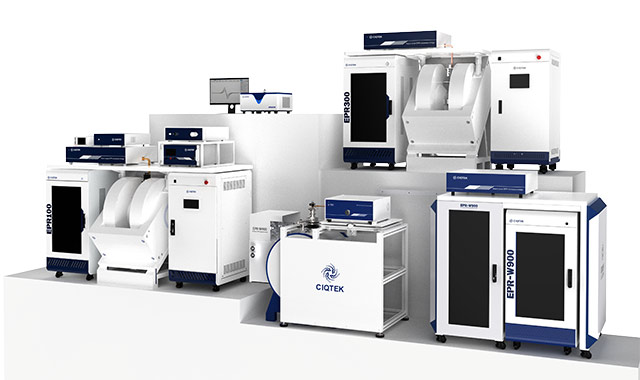
At the event, CIQTEK and LASystems presented CIQTEK’s comprehensive Electron Paramagnetic Resonance (EPR) product portfolio, including CW EPRBenchtop EPR, and Pulse EPR systems. These instruments are widely recognized for their high sensitivity, excellent field stability, and user-oriented design. They support a broad range of applications in spin chemistry, materials research, catalysis, batteries, and biological radical studies.


CIQTEK and LASystems Exhibit EPR Solutions at SEST 2025, Japan


During SEST 2025, many researchers visited the booth to learn about CIQTEK’s technical advantages, such as precise magnetic field control, stable microwave frequency performance, flexible variable-temperature configurations, and advanced pulse sequence capabilities. The event provided an opportunity for in-depth discussions on experimental workflows and potential collaborations.


CIQTEK has established a strong global presence in the EPR field. More than 200 EPR spectrometers have been delivered to research institutions across Asia, Europe, the Americas, etc. The instruments have supported the publication of over 170 scientific papers, including studies featured in NatureScience, and other leading journals. This growing body of research demonstrates the reliability and scientific value of CIQTEK’s EPR technology.


CIQTEK will continue strengthening its partnership with LASystems to bring high-performance EPR solutions and localized support to researchers throughout Japan.

Continue
How to Calculate and Choose the Right Power Supply for Your LED Strip Lights?

Selecting the right power supply for your LED strip lights is one of the most critical steps in any lighting installation. The power supply determines not only whether your LED strips perform optimally, but also how long they last and how much energy they consume. Many lighting failures and flickering issues stem from incorrect wattage calculation or unstable voltage output.

High-intensity cool white flexible LED strip

1. Understanding Power Supply Basics

LED strip lights operate on low DC voltage—typically 12V or 24V. The power supply (often called an LED driver) converts AC mains voltage (like 110V or 220V) into a steady DC output.

To choose the right one, you must calculate total power demand (W), current (A), and voltage (V) requirements.

Parameter Symbol Description
Voltage V Operating voltage of the strip (12V / 24V)
Current A Flow of electric charge (amps)
Power W Energy consumption (watts = volts × amps)
Length M Total length of LED strip used


2. Step-by-Step Power Calculation

Let’s use a 240 LEDs/m LED Strip Light as an example.

Step 1: Identify the Rated Power per Meter

Manufacturers usually list power consumption like 19.2W/m or 24W/m.
Let’s assume your LED strip uses 20W/m at 24V.

Step 2: Multiply by the Total Length

If your project requires 5 meters:

20W/m × 5m = 100W total power

Step 3: Add a Safety Margin

Always add 20–30% extra capacity to prevent overload and heat stress:

100W × 1.25 = 125W minimum power supply

So, you’ll need a 24V / 125W (≈5.2A) power supply.

Parameter Value
Strip Voltage 24V DC
Power per Meter 20W
Length 5m
Total Power 100W
Safety Factor +25%
Recommended Power Supply 125W (5.2A)


3. Voltage Drop and Efficiency Factors

For long runs (over 5m), voltage drop can cause visible brightness reduction toward the end of the strip. To prevent this:

  • Use thicker wires or feed power from both ends.

  • Choose 24V strips instead of 12V for better stability.

  • Split long strips into sections, each powered by its own connection.

Wire Length Recommended Wire Gauge (AWG)
<2m 20 AWG
2–5m 18 AWG
5–10m 16 AWG


4. Example: RGB LED Strip Power Calculation

For an Energy Saving RGB LED Strip Light, each color channel (R, G, B) consumes power.
A typical 24V RGB strip might draw 7.2W/m per color, totaling 21.6W/m.

Let’s say you install 10 meters:

21.6W/m × 10m = 216W 216W × 1.2 = 259W recommended power supply

So, you’ll need a 24V / 260W (≈10.8A) power supply.

Parameter Value
Strip Type Energy Saving RGB LED Strip Light
Voltage 24V DC
Power per Meter 21.6W
Length 10m
Total Power 216W
Safety Margin 20%
Recommended PSU 260W / 10.8A


5. Key Considerations Before Purchase

✅ Check Output Voltage — Match 12V or 24V exactly.
✅ Choose Proper Wattage — At least 20% above total load.
✅ Look for Certifications — CE, RoHS, UL ensure safety and efficiency.
✅ Mind Cooling — Ensure airflow around power supplies.
✅ Select Trusted Brands — Quality directly affects LED lifespan.


6. Recommended Setup Example

For a modern interior project using 240 LEDs/m LED Strip Light or Ultra Bright LED Strip Light Tape:

  • Length: 8 meters

  • Total Power: 8 × 20W = 160W

  • Recommended PSU: 24V / 200W switching supply

  • Efficiency: 88%

  • Energy Savings: Up to 30% vs. traditional neon lighting

The same power supply can also support Energy Saving RGB LED Strip Light for decorative accents if total power draw remains within 80% of PSU capacity.


Proper power calculation ensures your LED strips run efficiently, stay bright, and last longer. Whether you’re designing architectural lighting or setting up Energy Saving RGB LED Strip Light systems for homes and retail spaces, always size your power supply with care — it’s the hidden foundation of every reliable lighting installation.

Continue
Common Issues in Fiber Laser Repair

Fiber lasers are integral components in various industries, renowned for their precision, power, and efficiency. However, like any sophisticated technology, fiber lasers are prone to certain issues that require timely repair and maintenance to ensure optimal performance.
1. Fiber Breakage
One of the most prevalent issues in fiber laser systems is fiber breakage. Whether due to mechanical stress, improper handling, or excessive bending, fiber breakage can disrupt the laser's functionality and necessitate immediate repair. Identifying the breakage point and effectively splicing the fibers together is crucial to restoring the laser's operational efficiency.

2. Contamination
Contamination within the optical components of the fiber laser can significantly impact its performance. Dust particles, debris, or even moisture can accumulate over time, leading to reduced output power and beam quality. Thorough cleaning and inspection techniques, alongside precise alignment procedures, are essential in resolving contamination-related issues during repair.

3. Misalignment
Misalignment of optical components within the fiber laser system can result in beam divergence, power loss, and overall inefficiency. Aligning components such as lenses, mirrors, and fibers accurately is paramount to ensuring optimal laser output. Utilizing precise alignment tools and techniques during repair is imperative to rectifying misalignment issues effectively.

4. Thermal Damage
Excessive heat generation within the fiber laser system can cause thermal damage to critical components, leading to performance degradation and potential system failure. Proper thermal management strategies, such as maintaining optimal operating temperatures and cooling mechanisms, are essential in mitigating thermal damage during repair processes.

5. Electronic Malfunctions
Electronic malfunctions, including issues with power supplies, control systems, or sensor failures, can impede the functionality of the fiber laser. Thorough diagnostic testing, component replacement, and recalibration are key steps in rectifying electronic malfunctions and restoring the laser to full operational capacity.


Addressing common issues encountered in fiber laser repair requires a systematic approach, precise technical expertise, and the utilization of advanced tools and equipment. By identifying and resolving fiber breakage, contamination, misalignment, thermal damage, and electronic malfunctions effectively, technicians can ensure the seamless operation and longevity of fiber laser systems across various industrial applications. Utilizing reliable fiber test instruments during diagnostic and repair processes further enhances accuracy and efficiency, ensuring each component performs at its optimal level. Prioritizing timely repair and maintenance practices is essential in maximizing the performance and reliability of fiber lasers in the ever-evolving technological landscape.

Continue
Tools for Special Fiber Optic Repair in Laser Systems

In the realm of laser technology, intricate instruments and specialized tools play a pivotal role in ensuring the seamless functionality and maintenance of laser systems utilizing special optical fibers. Let's delve into the key tools utilized for repairing special fiber optics in laser systems, including tools such as large core fiber fusion splicers/cleavers and thermal strippers.


Tools for Special Fiber Optic Repair:

1. Large Core(diameter) Fiber Fusion Splicer/Cleaver:

Description: Large core fiber fusion splicers and cleavers are essential tools used in the repair and maintenance of special optical fibers in laser systems. These devices facilitate the precise alignment, fusion, and cleaving of large core fibers, ensuring optimal performance.

Functionality: Large core fiber fusion splicers enable technicians to seamlessly join optical fibers by aligning and fusing them together. This process ensures minimal signal loss and maximum efficiency in laser transmission.

Application: These tools are particularly crucial in repairing damaged or broken optical fibers in high-power laser systems where maintaining signal integrity is paramount.


2. Thermal Stripper:

Description: Thermal strippers are indispensable tools designed for the precise removal of protective coatings from optical fibers. They operate by applying controlled heat to the fiber, allowing for the stripping of coatings without damaging the fiber itself.

Functionality: Thermal strippers ensure clean and accurate removal of protective coatings, enabling technicians to access the fiber cores for splicing or connectorization.

Application: In the context of laser system maintenance, thermal strippers play a vital role in preparing optical fibers for splicing, thus facilitating efficient repairs and upgrades.


Frequently Asked Questions (FAQ):

Q1: Why are large core fiber fusion splicers/cleavers necessary for laser system maintenance?
A: Large core fiber fusion splicers and cleavers are crucial tools for ensuring precise alignment and connection of optical fibers in laser systems. They minimize signal loss and help maintain the integrity of optical transmissions.

Q2: How does a thermal stripper aid in fiber optic repair?
A: Thermal strippers enable technicians to safely remove protective coatings from optical fibers, allowing for easy access to the fiber cores during repair and maintenance tasks without causing damage to the fibers.

Q3: Are there specific safety precautions to consider when using these tools?
A: Yes, it is essential to follow safety guidelines provided by the manufacturers when operating large core fiber fusion splicers, cleavers, and thermal strippers to prevent injury and ensure proper functionality of the tools.


In conclusion, the utilization of specialized tools such as large core fiber fusion splicers/cleavers and thermal strippers is indispensable in the repair and maintenance of special fiber optics in laser systems. These tools empower technicians to perform intricate tasks with precision, ultimately ensuring the optimal performance and longevity of laser systems.

Continue
CIQTEK SEM Study Shows Raised-Ring Electrodes Improve Aluminum Alloy Spot Welding and Electrode Life

Aluminum alloys, prized for their exceptional strength-to-weight ratio, are ideal materials for automotive lightweighting. Resistance spot welding (RSW) remains the mainstream joining method for automotive body manufacturing. However, the high thermal and electrical conductivity of aluminum, combined with its surface oxide layer, requires welding currents far exceeding those used for steel. This accelerates copper electrode wear, leading to unstable weld quality, frequent electrode maintenance, and increased production costs. Extending electrode life while ensuring weld quality has become a critical technological bottleneck in the industry.


To address this challenge, Dr. Yang Shanglu's team at Shanghai Institute of Optics and Fine Mechanics conducted an in-depth study using the CIQTEK FESEM SEM5000. They innovatively designed a raised-ring electrode and systematically investigated the effect of ring number (0–4) on electrode morphology, revealing the intrinsic relationship between ring count, crystal defects in the weld nugget, and current distribution. Their results show that increasing the number of raised rings optimizes current distribution, improves thermal input efficiency, enlarges the weld nugget, and significantly extends electrode lifespan. Notably, the raised rings enhance oxide layer penetration, improving current flow while reducing pitting corrosion. This innovative electrode design provides a new technical approach for mitigating electrode wear and lays a theoretical and practical foundation for broader application of aluminum alloy RSW in the automotive industry. The study is published in the Journal of Materials Processing Tech. under the title “Investigating the Influence of Electrode Surface Morphology on Aluminum Alloy Resistance Spot Welding.

CIQTEK SEM: Raised-Ring Electrodes Boost Aluminum Welding

Raised-Ring Electrode Design Breakthrough

Facing the electrode wear challenge, the team approached the problem from electrode morphology. They machined 0 to 4 concentric raised rings on the end face of conventional spherical electrodes, forming a novel Newton Ring electrode (NTR).


Figure 1. Surface morphology and cross-sectional profile of the electrodes used in the experimentFigure 1. Surface morphology and cross-sectional profile of the electrodes used in the experiment


SEM Analysis Reveals Crystal Defects and Performance Enhancement

How do raised rings influence welding performance? Using the CIQTEK FESEM SEM5000 and EBSD techniques, the team characterized the microstructure of weld nuggets in detail. They found that the raised rings pierce the aluminum oxide layer during welding, optimizing current distribution, influencing heat input, and promoting nugget growth. More importantly, the mechanical interaction between raised rings and molten metal significantly increases the density of crystal defects, such as geometrically necessary dislocations (GNDs) and low-angle grain boundaries (LAGBs), within the weld nugget. Optimal performance was observed with three raised rings (NTR3).


Figure 2. EBSD analysis of weld nugget microstructure for NTR0, NTR1, NTR2, NTR3, and NTR4 electrodes

Figure 2. EBSD analysis of weld nugget microstructure for NTR0, NTR1, NTR2, NTR3, and NTR4 electrodes


Prolonged Electrode Life

Beyond improving weld quality, the raised-ring electrodes demonstrate outstanding anti-abrasion performance. After a 10-weld lifespan test, the difference in electrode wear was striking.


Figure 3. Electrode lifespan for NTR0, NTR1, NTR2, NTR3, and NTR4 electrodesFigure 3. Electrode lifespan for NTR0, NTR1, NTR2, NTR3, and NTR4 electrodes


Quantitative Analysis

The NTR0 electrode without raised rings exhibited a wear area of 13.49 million μm².

In comparison, NTR3 and NTR4 electrodes with three and four raised rings reduced wear areas to 4.35 million μm² and 3.98 million μm², representing reductions of 67.8% and 70.5%, respectively.

The raised-ring structure concentrates current along the rings, guiding wear along predetermined paths and preventing random pit expansion, effectively doubling electrode lifespan.


Figure 4. Pitting area of NTR0, NTR1, NTR2, NTR3, and NTR4 electrodes after 5 and 10 welds: (a) 5th weld, (b) 10th weldFigure 4. Pitting area of NTR0, NTR1, NTR2, NTR3, and NTR4 electrodes after 5 and 10 welds: (a) 5th weld, (b) 10th weld、


Microanalysis of Electrode Pitting

Further SEM analysis of NTR0 electrodes after welding until adhesion to the aluminum sheet revealed a 10 μm-thick intermetallic compound (IMC) layer between the electrode and the sheet. This transition layer consists of two copper-containing sublayers:

Near the electrode: thinner sublayer with 29.2 at.% Cu (Al4Cu9 phase).

Near the aluminum alloy: thicker sublayer with 15.5 at.% Cu (AlCu2 phase).


Figure 5. Composition analysis of pitting between the electrode and the sheetFigure 5. Composition analysis of pitting between the electrode and the sheet


This study demonstrates that innovative electrode morphology can effectively regulate current distribution, improving weld quality while extending electrode life. CIQTEK FESEM microscope provided indispensable visualization and quantitative evidence of microscopic mechanisms, including crystal defect evolution and electrode pitting, highlighting the critical role of advanced characterization in advancing welding research and industrial applications.

Continue
CIQTEK Electron Microscopes See Rapid Growth in Italy

In the previous year, CIQTEK made significant progress in its European expansion, with Italy standing out as one of the most successful and dynamic markets.


CIQTEK SEM Installations Boost Presence in Italy

To date, nearly ten CIQTEK SEM microscopes have been delivered and installed across four regions in Italy, covering a full range of models from field-emission SEMs and advanced tungsten filament SEMs to entry-level SEM solutions. This milestone highlights CIQTEK’s comprehensive product capability and the growing trust of Italian users in its technology and service.


CIQTEK FESEM SEM5000 Installation in ItalyCIQTEK FESEM SEM5000 Installed at a Research Institute in Italy


CIQTEK Tungsten Filament SEM3200 Installation in ItalyCIQTEK Tungsten Filament SEM3200 Installed at a Research Institute in Italy


Italian Researchers Praise CIQTEK SEM Performance

Although CIQTEK is a relatively new brand to many European users, its electron microscopes have quickly earned recognition for their outstanding performance, reliability, and value. Italian customers have given highly positive feedback, highlighting excellent imaging quality, stable system operation, user-friendly software, and strong cost efficiency. They also praised the company’s technical support team for its prompt responses and professional service throughout the installation and training.


Media System Lab: CIQTEK’s Trusted Italian Partner

This achievement would not have been possible without the dedication of CIQTEK’s Italian partnerMedia System Lab S.r.l. The team has provided professional and fully Italian-language support, ensuring smooth communication and helping local users fully understand the performance and advantages of CIQTEK electron microscopes.


Media System Lab team performing pre-installation testing for the SEMs at its factory in RoveretoMedia System Lab team performing pre-installation testing for the SEMs at its factory in Rovereto


Founded in 1998, Media System Lab S.r.l. is a leading Italian partner in electron microscopy, providing comprehensive solutions from compact tabletop SEMs to high-performance FESEM, TEM, and dual-beam FIB systems. With two offices totaling over 1,000 m², including a 400 m² demo laboratory in Rovereto, the team excels in pre-installation assessments, system integration, on-site training, maintenance, and supply of accessories and consumables. Through their MS Academy Lab platform and hands-on sessions, Media System Lab delivers professional training to microscopy experts, ensuring Italian and European laboratories fully realize the performance and advantages of advanced microscopy solutions.


Advancing CIQTEK’s Strategic Expansion in Europe

With increasing installations and positive feedback from users, Italy has become a key market that demonstrates CIQTEK’s ability to meet the high expectations of European researchers and industries. Beyond Italy, CIQTEK now has authorized distributors, demo centers, and delivered instruments in the UK, France, Germany, Spain, Portugal, Romania, and other European countries. The company plans to continue expanding its local service and support network, bringing advanced electron microscopy solutions to more laboratories across the continent and strengthening its presence throughout Europe.

Continue
HUABAO AI Dashcams Reshaping the Safety and Management Ecosystem for Commercial Vehicles

In the commercial vehicle sector, safe operation and efficient management are the foundation of sustainable business growth. Whether it's ensuring cargo security in long-haul freight, protecting drivers and passengers in passenger transport, or maintaining operational standards for engineering vehicles, a smart monitoring solution tailored to real-world needs is essential.


With years of expertise in the in-vehicle video industry, HUABAO has developed customized AI dashcams specifically designed for commercial vehicle applications. These intelligent devices are transforming fleet management by delivering scenario-based solutions that help businesses reduce costs, improve efficiency, and enhance safety across the entire operational chain.


Our AI dashcams are precisely adapted to meet the unique demands of different commercial vehicle scenarios. For long-haul freight, the system monitors driver behavior in real time—detecting fatigue, distraction, and other risky actions—and provides instant alerts to prevent accidents. At the same time, it records the full transportation process, helping to prevent theft or damage and providing solid evidence in case of disputes.


In public transport and passenger fleet operations, the AI dashcam enables accurate passenger flow analysis and monitors interactions between drivers and passengers. Integrated with a remote fleet management platform, this data supports smarter scheduling, improves route efficiency, and enhances overall passenger safety.

For special-purpose vehicles such as engineering and sanitation trucks, our customized multi-angle AI dashcams eliminate blind spots, monitor operational procedures, and record vehicle conditions in real time. This ensures compliance with safety standards and supports timely maintenance, reducing downtime and extending vehicle life.


As a technology-driven company based in Shenzhen, we understand that every commercial vehicle operation is unique. That’s why we go beyond standardized products to offer full-cycle, high-level customization—from hardware configuration to software functionality. Whether it’s adjusting the installation method to suit specific vehicle models, developing exclusive data modules for fleet management, or customizing branding and UI interfaces, our professional team ensures your exact needs are met.

In addition, we offer mature OEM services, providing end-to-end support from product development and prototyping to mass production. With strict quality control and reliable delivery schedules, we help our partners bring customized solutions to market quickly and efficiently.

Guided by the principle of “scenario adaptation and customer empowerment,” HUABAO has delivered tailored AI dashcam solutions to enterprises in logistics, passenger transport, engineering, and more. By combining deep industry knowledge with flexible service models, we help businesses build safer, smarter, and more efficient operations.

4-Channel Dashcam

Looking ahead, we remain committed to technological innovation and will continue to work closely with commercial vehicle enterprises to develop more targeted in-vehicle video solutions. Together, we aim to build a safer, more efficient, and intelligent operational ecosystem—powered by AI dashcam technology.

To learn more about our customized solutions or explore OEM cooperation opportunities, please contact us today. Let HUABAO AI dashcams safeguard your fleet and drive your business forward.


Continue
Home Archives