USTC Team《AM》 | CIQTEK SEM Assists in The Microscopic Morphology Analysis of Potassium Metal Anode


Professor Yan Yu's team at USTC utilized the CIQTEK Scanning Electron Microscope SEM3200 to study the post-cycling morphology. It developed amorphous carbon with controllable defects as a candidate material for an artificial interface layer balancing potassiophilicity and catalytic activity.


The research team prepared a series of carbon materials with different degrees of defects (designated as SC-X, where X represents the carbonization temperature) by regulating the carbonization temperature. The study found that SC-800 with excessive defects caused substantial electrolyte decomposition, resulting in an uneven SEI film and shortened cycle life. SC-2300, with the fewest defects, had insufficient affinity for potassium and easily induced potassium dendritic growth. SC-1600, which possessed a locally ordered carbon layer, exhibited an optimized defect structure, achieving the best balance between potassiophilicity and catalytic activity. It could regulate the electrolyte decomposition and form a dense and uniform SEI film.


The experimental results demonstrated that SC-1600@K exhibited long-term cycle stability for up to 2000 hours under a current density of 0.5 mA cm-2 and a capacity of 0.5 mAh cm-2. Even under higher current density (1 mA cm-2) and capacity (1 mAh cm-2), it maintained excellent electrochemical performance with stable cycles exceeding 1300 hours. In full-cell testing, when paired with a PTCDA positive electrode, it maintained 78% capacity retention after 1500 cycles at a current density of 1 A/g, demonstrating outstanding cycle stability.


This research, titled "Balancing Potassiophilicity and Catalytic Activity of Artificial Interface Layer for Dendrite-Free Sodium/Potassium Metal Batteries," was published in Advanced Materials.

Figure 1: The microstructure analysis results of carbon samples (SC-800, SC-1600, and SC-2300) prepared at different carbonization temperatures are presented. Through techniques such as X-ray diffraction (XRD), Raman spectroscopy, X-ray photoelectron spectroscopy (XPS), and wide-angle X-ray scattering (WAXS), the crystal structure, defect level, and oxygen and nitrogen doping of these samples were analyzed. The results showed that as the carbonization temperature increased, the defects in the carbon materials gradually decreased, and the crystal structure became more orderly.


Figure 2: The current density distribution during potassium metal growth on different composite negative electrodes was analyzed using finite element simulation. The simulation results showed that the SC-1600@K composite electrode exhibited a uniform current distribution during potassium deposition, which helped suppress dendritic growth effectively. Additionally, the Young's modulus of the SEI layer was measured using atomic force microscopy (AFM), and the results showed that the SEI layer on the SC-1600@K electrode had a higher modulus, indicating its stronger firmness and inhibition of dendritic formation.


Figure 3: The electrochemical performance of different composite electrodes (SC-800@K, SC-1600@K, and SC-2300@K) in symmetrical cells is presented. The SC-1600@K electrode exhibited excellent cycle stability and low overpotential at different current densities and capacities. Furthermore, electrochemical impedance spectroscopy (EIS) and Sand's time testing further confirmed the advantages of the SC-1600@K electrode in suppressing dendritic growth and maintaining SEI layer stability.


Figure 4: The structure and composition of the SEI layer on different composite negative electrodes were analyzed using cryogenic transmission electron microscopy (Cryo-TEM) and time-of-flight secondary ion mass spectrometry (ToF-SIMS). The results showed that the SC-1600@K electrode had a uniform, thin, and inorganic-rich SEI layer, facilitating fast potassium ion transport kinetics and high Young's modulus. The SEI layers on the SC-800@K and SC-2300@K electrodes exhibited thicker and organic-rich characteristics.


Figure 5: The effects of defect configuration in the carbon layer on potassium ion deposition and SEI formation were explored using density functional theory (DFT) calculations. The results showed that an appropriate amount of defects could enhance the interaction between potassium ions and the carbon layer, reducing the nucleation overpotential, while excessive defects could lead to excessive electrolyte decomposition.


Figure 6: The electrochemical performance of a full cell (PTCDA//SC-1600@K) assembled using the SC-1600@K electrode is presented. This cell exhibited excellent rate performance and long-term cycle stability at different current densities, demonstrating the potential of the SC-1600@K electrode in practical battery applications.


In conclusion, the research team successfully designed and prepared a carbon material (SC-1600) with a locally ordered structure, serving as an artificial interface layer for sodium/potassium metal battery negative electrodes. By precisely controlling the defect content of the material, the team achieved the optimal balance between potassiophilicity and catalytic activity, significantly improving the uniform deposition of potassium ions and promoting the formation of a stable SEI layer. In a potassium symmetrical cell based on SC-1600 in a carbonate electrolyte system, SC-1600@K exhibited excellent cycle stability with a cycle life exceeding 2000 hours. Notably, a full cell assembled with the SC-1600@K negative electrode and PTCDA positive electrode maintained 78% capacity retention after 1500 cycles at a high current density of 1 A/g. This research not only established a model system for optimizing the SEI structure and potassium ion adsorption by controlling the interfacial layer defects but also provided important theoretical guidance and a technological pathway for the rational design of protective interfacial layers in potassium metal batteries.

Continue
How to Choose Between X-Band and Q-Band EPR Systems for Your Budget

Electron Paramagnetic Resonance (EPR) spectroscopy remains a cornerstone in analyzing unpaired electrons, whether in free radicals, transition metals, or defect sites. However, when selecting between X-band and Q-band EPR systems, researchers often face a classic dilemma: how to match performance needs with budget realities.

Here’s a practical breakdown to help European labs and research teams navigate this decision—and why many are choosing flexible EPR systems like CIQTEK’s to get the best of both worlds.


Performance Trade-Offs: Sensitivity vs. Resolution

X-band EPR (≈9.5 GHz) is by far the most commonly used band. It offers a great balance of sensitivity, hardware availability, and ease of sample handling. It’s particularly suited for general-purpose applications:

  • Organic radicals

  • Transition metal complexes

  • Spin labeling in biomolecules

In contrast, Q-band EPR (≈35 GHz) provides higher spectral resolution due to increased Zeeman splitting and better orientation selectivity. However, this comes with practical considerations—cryogenic compatibility becomes more critical, and sample tuning can be more sensitive.

For labs doing high-resolution studies of biological macromolecules or probing fine structural changes in solid-state samples, Q-band can offer real advantages—if the infrastructure is ready.


Typical Price Ranges in Europe

Budget plays a decisive role. Based on recent European procurement data:

  • X-band CW EPR systems typically range from €100,000 to €250,000, depending on features like variable temperature accessories or pulse capability.

  • Q-band systems start around €250,000 and can exceed €500,000, especially when combined with pulsed capabilities and cryogenic sample handling.

This cost gap makes X-band the default choice for most labs—especially teaching labs, material science departments, or first-time EPR users.

CIQTEK benchtop EPR system is a strong performer here. With X-band capability, built-in temperature control, and a space-saving design, it has been installed in both US and EU university labs where compactness and quick setup are key priorities.

ciqtek benchtop epr


Use-Case Match: Materials vs. Biological Samples

X-band covers a broad range of material research, from battery cathodes to polymer radicals, while Q-band offers finer insight into g-tensor anisotropy, valuable in protein structure, spin-labeled enzymes, and advanced pharmacological studies.

Labs working with diverse sample types may benefit from EPR systems that are modular or upgradable, depending on research evolution.

CIQTEK’s CW-Pulse EPR system supports both CW and time-resolved measurements at X-band and is designed with future expansion in mind, including Q-band add-ons in pipeline development.

ciqtek epr spectroscopy


Financing Options & Leasing Programs

European labs increasingly look at leasing programs or research consortium sharing models to offset initial costs. CIQTEK partners with distributors in Europe to offer flexible financing, demo units, and pilot trials, which several research groups in Germany and the UK have already taken advantage of.

This approach helps research teams validate hardware before major investment, while also supporting customized workflows—from materials engineering to bioinorganic chemistry.


Making the Right Choice

When choosing between X-band and Q-band, it’s not just about frequency—it’s about your lab’s focus, resources, and future trajectory. Many labs are discovering that a powerful X-band system with strong support, user-friendly software, and cost-efficiency delivers the best long-term value.


Contact CIQTEK to discuss the right EPR configuration for your research—and request a quote or on-site demo tailored to your region.


Continue
Application of EBSD in SEM

Electron Backscatter Diffraction (EBSD) is a widely used microscopy technique in material science. It analyzes the angles and phase differences of the backscattered electrons produced when a sample interacts with a high-energy electron beam to determine key characteristics such as crystal structure and grain orientation. Compared to a traditional Scanning Electron Microscope (SEM), EBSD provides higher spatial resolution and can obtain crystallographic data at the sub-micrometer level, offering unprecedented details for analyzing material microstructures.


Characteristics of the EBSD Technique


EBSD combines the microanalysis capabilities of Transmission Electron Microscope (TEM) and the large-area statistical analysis capabilities of X-ray diffraction. EBSD is known for its high-precision crystal structure analysis, fast data processing, simple sample preparation process, and the ability to combine crystallographic information with microstructural morphology in material science research. SEM equipped with an EBSD system not only provides micro-morphology and composition information but also enables microscopic orientation analysis, greatly facilitating the work of researchers.


Application of EBSD in SEM


In SEM, when an electron beam interacts with the sample, various effects are generated, including the diffraction of electrons on regularly arranged crystal lattice planes. These diffractions form a "Kikuchi pattern," which not only contains information about the symmetry of the crystal system but also directly corresponds to the angle between crystal planes and crystallographic axes, with a direct relationship to the crystal system type and lattice parameters. This data can be used to identify crystal phases using the EBSD technique, and for known crystal phases, the orientation of the Kikuchi pattern directly corresponds to the orientation of the crystal.


EBSD System Components


To perform EBSD analysis, a set of equipment including a Scanning Electron Microscope and an EBSD system is required. The core of the system is the SEM, which produces a high-energy electron beam and focuses it on the sample surface. The hardware part of the EBSD system usually includes a sensitive CCD camera and an image processing system. The CCD camera is used to capture the backscattered electron images, and the image processing system is used to perform pattern averaging and background subtraction to extract clear Kikuchi patterns.


Operation of the EBSD Detector


Obtaining EBSD Kikuchi patterns in SEM is relatively simple. The sample is tilted at a high angle relative to the incident electron beam to enhance the backscattered signal, which is then received by a fluorescent screen connected to a CCD camera. The EBSD can be observed directly or after amplification and storage of the images. Software programs can calibrate the patterns to obtain crystallographic information. Modern EBSD systems can achieve high-speed measurements and can be used in conjunction with Energy-Dispersive X-ray Spectroscopy (EDS) probes to perform compositional analysis while rapidly obtaining sample orientation information.


Sample Preparation Principles


For effective EBSD analysis, sample preparation needs to follow certain principles, including the absence of residual stress, a flat surface (mechanical polishing), cleanliness, suitable shape and size, and good conductivity. The sample preparation process may involve ion etching, polishing, and other steps to ensure that the sample surface is suitable for EBSD analysis.


EBSD Calibration and Surface Scanning


Calibration is a critical step in the EBSD analysis process, ensuring an accurate correspondence between the Kikuchi patterns and crystallographic parameters. Surface scanning is another important application of EBSD technology, allowing researchers to perform extensive crystallographic analysis on the sample surface, thereby obtaining a comprehensive view of the material's microstructure.


Continue
How to integrate automatic doors with building access control systems?

Integrating automatic doors with building access control systems involves several key steps, from understanding the components to programming and testing the system. Here's a detailed guide:

automatic door opener

Access control system


1. Understand the Components

Automatic Door Operator: This is the device that controls the opening and closing of the door. It typically consists of a motor, controller, and sensors.

Access Control System: This system manages and monitors access to the building. It includes components such as card readers, keypads, biometric scanners, access control panels, and software.


1745372531547762.jpg


2. Choose the Right Integration Method

Wired Integration: This involves connecting the automatic door operator directly to the access control system using cables. It provides a reliable and stable connection but may require more installation effort and is less flexible if you need to make changes in the future.

Wireless Integration: Utilizes wireless technologies like Bluetooth, Wi - Fi, or Z - Wave to connect the door operator to the access control system. It offers more flexibility in installation and is easier to modify or expand, but may be subject to signal interference.


3. Install and Configure the Hardware

Install the Access Control Devices: Mount the card readers, keypads, or biometric scanners at the entrances where the automatic doors are located. Connect them to the access control panel according to the manufacturer's instructions.

Connect to the Door Operator: If using a wired integration, connect the appropriate wires from the access control panel to the door operator's control inputs. For wireless integration, pair the door operator with the access control system following the wireless setup procedures.


4. Program the Access Control System

Define Access Levels: Determine who has access to the building and which doors they can access. For example, employees may have access to certain areas during working hours, while visitors may have limited access.

Set Up User Credentials: Enroll the user's information, such as card numbers, PINs, or biometric data, into the access control system. Each user should be assigned the appropriate access level.


5. Configure the Automatic Door Settings

Adjust Opening and Closing Speeds: Set the speed at which the door opens and closes to ensure smooth and safe operation. This may need to be adjusted based on the traffic flow and the type of users (e.g., slower for elderly or disabled individuals).

Set Time Delays: Determine the amount of time the door stays open after being triggered. This should be long enough for people to pass through comfortably but not so long that it affects security or energy efficiency.


6. Test and Troubleshoot

Test Access: Use the various access credentials (cards, PINs, biometrics) to test if the automatic doors open and close as expected. Check for any delays, errors, or failures in the operation.

Check Sensor Functionality: Ensure that the door sensors, such as motion sensors or infrared sensors, are working correctly. They should detect the presence of people or objects accurately to trigger the door opening.

Verify Security Features: Test the security features of the system, such as anti - tailgating mechanisms and door locking functions when access is denied.


7. Regular Maintenance and Updates

Maintain the System: Regularly check the hardware for any signs of wear or damage. Clean the card readers, sensors, and door tracks to ensure proper functioning.

Update Software and Firmware: Keep the access control system's software and the door operator's firmware up to date. Manufacturers often release updates to improve performance, fix bugs, and enhance security.

Professional installation and integration services are recommended to ensure the proper functioning and security of the system. Additionally, local building codes and regulations should be followed during the installation process.


Author: Written by Ms.Anna Zhang from S4A INDUSTRIAL CO., LIMITED


1745372638621776.jpg

Continue
How to maintain and troubleshoot an automatic sliding door opener?

Here are the methods for maintaining and troubleshooting an automatic sliding door opener:

Maintenance

Regular Cleaning

Clean the exterior of the door opener with a soft, damp cloth to remove dust and dirt. Pay attention to the track and sensor areas, as any debris accumulated there can affect the door's operation.

Vacuum the track regularly to remove small particles and debris that could cause friction or jamming.


maintain and troubleshoot an automatic sliding door opener


Lubrication

Lubricate the moving parts of the door opener, such as the rollers, hinges, and tracks, with a suitable lubricant. This helps to reduce friction and ensures smooth operation. Use a silicone - based lubricant for better results, and apply it according to the manufacturer's instructions.

Check and Tighten Fasteners

Periodically check all the screws, bolts, and nuts on the door opener and its associated components. Over time, vibrations can cause these fasteners to become loose. Tighten any loose fasteners to prevent components from becoming misaligned or falling off.

Battery or Power Supply Check


maintain and troubleshoot an automatic sliding door opener


If the door opener is battery - powered, check the battery level regularly and replace the batteries when necessary. For AC - powered openers, ensure that the power cord is in good condition and that the outlet is working properly.

Sensor Calibration

The sensors on the automatic sliding door opener need to be calibrated regularly to ensure accurate detection. Refer to the manufacturer's instructions for the specific calibration process. Usually, this involves adjusting the sensitivity and range of the sensors.

Troubleshooting

Door Not Opening or Closing

Check if the power supply is working. Ensure that the door opener is plugged in and that there is no power outage. If it's battery - powered, replace the batteries if they are low.

Inspect the sensors to see if they are blocked or dirty. Clean the sensors and make sure there are no objects or obstructions in their detection range.

Check the track for any debris or damage. Remove any obstacles and repair or replace the track if it is damaged.

Test the control panel to see if the buttons are working properly. If the buttons are unresponsive, the control panel may need to be repaired or replaced.

Door Opens or Closes Slowly

Lubricate the moving parts as described in the maintenance section. Friction in the rollers, hinges, or tracks can cause the door to move slowly.

Check the power supply. If the voltage is low, it can affect the motor's performance. Contact an electrician to check the power supply if needed.

Inspect the motor. If the motor is overheating or making unusual noises, it may be malfunctioning and require repair or replacement.

Door Closes Partially or Stops Mid - Way

Check the sensors for proper alignment and functionality. A misaligned or faulty sensor can cause the door to stop prematurely.

Look for any obstructions in the door's path. Even a small object can trigger the safety sensors and cause the door to stop.

Examine the track for any irregularities or damage that could be causing the door to get stuck.

Door Makes Unusual Noises

Tighten any loose components. Loose screws, bolts, or parts can vibrate and make noise when the door moves.

Lubricate the moving parts. Dry or worn - out parts can produce squeaking or grinding noises.

Check the motor and gearbox. Unusual noises may indicate problems with these components, such as a worn - out gear or a faulty motor bearing.

If the above troubleshooting methods do not solve the problem, it is recommended to contact a professional technician at sales@s4a-access.com or the S4A 's customer service for further assistance.


Sliding door operator

Author: Written by Ms.Anna Zhang from S4A INDUSTRIAL CO., LIMITED


S4A-Anna

Continue
Why is my automatic sliding door not closing completely?

There are several reasons why your automatic sliding door may not be closing completely:

Obstructions:

Physical Obstacles: Check if there are any objects blocking the door's path. Even small items like leaves, debris, or a misplaced doormat can prevent the door from closing fully. Inspect the entire length of the track and the area around the door frame.


automatic doors with buildinghttps://www.s4a-access.com/automatic-door-opener_c90


Sensor Blockage: The sensors that detect the door's movement and its surroundings could be blocked or covered. Dirt, dust, or even a sticker accidentally placed on the sensor can interfere with its operation. Wipe the sensors clean and make sure there are no objects within their detection range that could be causing a false signal.


Track Issues:

Damage or Misalignment: Examine the track for any signs of damage, such as dents, bends, or rust. A damaged track can cause the door to get stuck or not move smoothly. Additionally, check if the track is properly aligned. Over time, the track may shift due to vibrations or other factors, affecting the door's movement.


Lack of Lubrication: The rollers on the door that move along the track may become dry or dirty, causing increased friction. This can make it difficult for the door to close completely. Lubricate the rollers and the track with a suitable lubricant, such as silicone - based spray, to reduce friction.


automatic doors with building access control systems


Motor or Mechanical Problems:

Motor Malfunction: The motor that powers the door's movement may be experiencing issues. It could be overheating, have a faulty winding, or be experiencing a power supply problem. If the motor is making unusual noises or seems to be working intermittently, it may need to be repaired or replaced.


Belt or Chain Issues: In some automatic sliding door systems, a belt or chain is used to drive the door. If this belt or chain becomes loose, worn, or damaged, it can affect the door's closing mechanism. Check the tension and condition of the belt or chain and adjust or replace it as necessary.


automatic doors with building


Sensor Calibration or Settings:

Incorrect Calibration: The sensors may be misaligned or miscalibrated. This can cause the door to stop closing prematurely, as the sensors may think there is an obstruction when there isn't. Refer to the manufacturer's instructions to recalibrate the sensors.


Faulty Sensor: A defective sensor can also lead to improper door operation. If the sensor is not functioning properly, it may send incorrect signals to the door controller. Test the sensor's functionality using a multimeter or other appropriate testing tools, and replace the sensor if it is found to be faulty.


Control System Issues:

Programming Errors: The control system that governs the door's operation may have incorrect programming. This could be due to a software glitch or incorrect settings. Try resetting the control system to its default settings and reprogramming it according to the manufacturer's instructions.


Electrical Problems: Check for any loose wires, corroded connections, or other electrical issues in the control system. A faulty connection can disrupt the flow of electricity and affect the door's operation. Tighten any loose connections and replace any damaged wires.


If you have tried all these troubleshooting steps and the problem persists, it is recommended to contact a S4A's professional technician at sales@s4a-access.com or the S4A's customer service for further assistance. They have the expertise and specialized tools to diagnose and fix more complex issues with automatic sliding doors.


Author: Written by Ms.Anna Zhang from S4A INDUSTRIAL CO., LIMITED

1745372638621776.jpg

Continue
What is Focused Ion Beam (FIB)?

Focused Ion Beam (FIB) technology has become an essential part of modern technological advancements, particularly in semiconductor manufacturing and nanofabrication. While FIB technology is well-known, its history and development are not widely known. Focused Ion Beam (FIB) is a micro-cutting instrument that uses electromagnetic lenses to focus an ion beam into a very small area. FIB involves accelerating ions from an ion source (most FIBs use Ga, but some devices have He and Ne ion sources) and then focusing the beam onto the surface of the sample.

CIQTEK DB550 Focused Ion Beam Scanning Electron Microscope (FIB-SEM) 


Origin of FIB Technology


Since the 20th century, nanotechnology has rapidly developed as an emerging field in science and technology. Currently, nanotechnology represents one of the forefront areas of scientific and technological advancement and has significant implications for economic and social development as a national strategy. Nanostructures have unique properties due to their structural units approaching the coherence length of electrons and the wavelength of light, leading to surface and interfacial effects, size effects, and quantum size effects. They exhibit many novel characteristics in electronics, magnetism, optics, and mechanics, and hold enormous potential in high-performance device applications. The development of novel nanoscale structures and devices requires the advancement of precise, multidimensional, and stable micro-nanofabrication techniques. Micro-nanofabrication processes are extensive and commonly involve techniques such as ion implantation, photolithography, etching, and thin film deposition. In recent years, with the trend of miniaturization in modern manufacturing processes, Focused Ion Beam (FIB) technology has increasingly been applied in fabricating micro-nano structures in various fields, becoming an indispensable and important technique in micro-nanofabrication.

FIB technology is developed based on conventional ion beam and focused electron beam systems and is essentially the same. Compared to electron beams, FIB scans the sample surface using an ion beam generated by an ion source after acceleration and focusing. Since ions have much greater mass than electrons, even the lightest ions, such as H+ ions, are more than 1800 times the mass of electrons. This enables the ion beam to not only achieve imaging and exposure capabilities similar to electron beams but also utilize the ion's heavy mass to sputter atoms from solid surfaces, making it a direct processing tool. FIB can also induce atoms to deposit onto the sample material surface by combining with chemical gases. Therefore, FIB is a widely applicable tool in micro-nanofabrication.


Development of Ion Sources


In the development of FIB technology, the advancement of high-brightness ion sources has been crucial. Early gas ion sources and Liquid Metal Ion Sources (LMIS) laid the foundation for FIB technology. In 1974, Seliger and Fleming first used a gas ion source for maskless ion implantation and resist exposure, confirming the potential of this technology. Subsequently, Orloff and Swanson developed the gas field ion source, which had high resolution but limited industrial application due to the requirement of low temperatures. The Liquid Metal Ion Source, on the other hand, was more successful due to its high ion brightness and ease of operation, laying the foundation for modern FIB systems based on Ga LMIS.


Applications of FIB Technology


FIB technology finds a wide range of applications, including ion implantation, milling, surface chemistry, lithography, materials micro-analysis, and scanning ion microscopy. In 1987, J. Melngailis published a comprehensive review of FIB applications, highlighting the potential of FIB technology in multiple fields.


Continue
Why CIQTEK EPR Is a Smart Choice for UK Labs?

EPR (Electron Paramagnetic Resonance) spectroscopy remains indispensable in cutting-edge research from energy storage to bio-radical chemistry. As more UK labs seek instruments that balance performance, usability, and cost, a new player is making a strong impression across Europe: CIQTEK. Here’s why more researchers are turning to CIQTEK’s EPR solutions — and what makes them stand out.


Meeting the Needs of Modern UK Research Labs

Whether in leading research‑intensive universities or smaller independent research centers, EPR users today want more than just raw sensitivity — they value flexibility, service, and return on investment. UK labs, in particular, are balancing world-class ambitions with careful budgeting and time pressure. This is where CIQTEK EPR systems have found a clear niche.


In recent European demos and trials — including installations in France and on-site testing in the UK — researchers have noted how CIQTEK’s compact design and easy-to-learn software enable quicker start-up, less training, and smooth integration with existing workflows.


Performance Where It Counts: Compact Yet Capable

CIQTEK Benchtop EPR EPR200M may look small, but it delivers capabilities well beyond expectations:

  • X-band continuous wave with high modulation depth and stable magnetic field control

  • Integrated temperature control (VT) without bulky external cryostats

  • Optimized for paramagnetic centers, metal complexes, and free radical detection

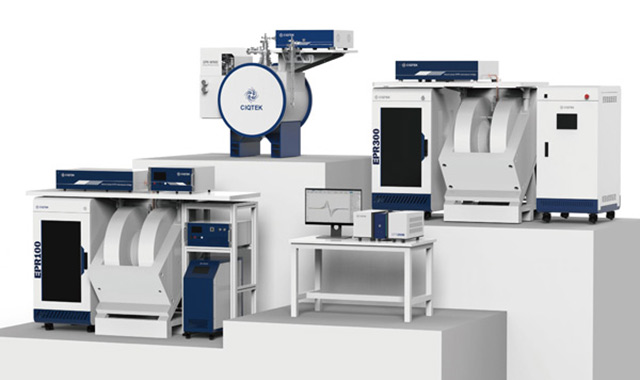
Meanwhile, the CW/Pulse EPR (EPR300/EPR100) system offers advanced time-resolved measurements for researchers diving into spin dynamics or exploring transient species, all within a streamlined, fully integrated setup.

Researchers at a UK materials science lab recently commented during a demo:

“We were surprised that a system this compact could generate clean spectra at cryogenic temperatures, with so little prep time. It’s exactly what we needed for fast, routine spin checks.”

ciqtek epr workshopCIQTEK EPR Workshop


Cost-Effective Without Compromise

Traditional high-end EPR systems can stretch lab budgets thin. CIQTEK offers an attractive alternative with:

  • Transparent pricing and flexible configurations

  • Low operational overheads (built-in accessories, minimal consumables)

  • All-in-one systems that reduce space and utility costs


For institutions with multiple research teams or shared facilities, CIQTEK’s modular EPR platforms allow more users to benefit without requiring additional infrastructure.


Local Support and Global Standards

CIQTEK’s growing footprint in the UK is supported by local partnerships for installation, training, and fast-response service, addressing a common pain point for many UK labs working with overseas suppliers.


European researchers who've adopted CIQTEK systems have praised the speed of onboarding and the clarity of support documentation. Whether it’s remote software guidance or on-site calibration, users report a refreshingly responsive experience.


The Smart Choice for a Smarter Lab

If your lab is considering a new EPR system — or upgrading from a legacy model — now is the time to explore options that bring efficiency, innovation, and reliability together. CIQTEK’s EPR line is designed not just to meet technical demands but to support your team’s productivity from day one.

CIQTEK EPR Collections


Continue
The ET456 ECG Smartwatch Transforming My Life, One Feature at a Time
Hey everyone!
Today, I'm excited to share my experience with the ET456 ECG Smartwatch. It's become a daily essential, and here's why.


The 1.56 - inch HD screen with 480*480 resolution is a visual treat. Whether checking time or stats, the vivid colors make using the watch a joy.
The electrocardiogram function is a game - changer. With a family history of heart issues, being able to monitor my heart at any time gives me peace of mind.
The 30 - second micro - physical examination is incredibly useful. In no time, I get key health info like body temperature, heart rate, blood oxygen, and blood pressure.
Emotional detection and fatigue analysis have opened my eyes. They help me spot stress and fatigue, so I can adjust my schedule and boost my well - being.
The Bluetooth call function is a lifesaver for someone on the go. Answering or making calls from my watch keeps me connected without the hassle.
And the Alipay offline payment? Super convenient. Paying for coffee or groceries is just a tap away.


In short, the ET456 is more than a watch; it's a lifestyle upgrade. It combines health monitoring, communication, and payment in one sleek device. I highly recommend it!
digital watch smart watch
 
 
Continue
The ET650 ECG Watch Redefining Convenience and Health Monitoring

The ET650 ECG Watch offers convenience and comprehensive health tracking. For those constantly on the move, the Bluetooth call feature is a game - changer. Whether you're cycling to work or in the middle of a workout, you can answer important calls directly from your wrist without fumbling for your phone.

When it comes to health, the ET650 shines brightly. Its electrocardiogram detection allows you to quickly assess your heart health anytime, anywhere.  Women will appreciate the menstrual tracking function, helping them plan their month with ease. The 24 - hour sleep monitoring provides in - depth insights into your sleep quality, while features like fatigue detection and sedentary reminders encourage a healthier lifestyle. In case of an emergency, the SOS function ensures immediate help is just a click away.   

Beyond health, the watch is packed with useful daily features. The step counting, calorie tracking, and various sports modes are perfect for fitness enthusiasts. Need to time a cooking recipe? The stopwatch and countdown timer have got you covered. The social sharing function makes it effortless to share your achievements on platforms like WeChat, Facebook, and Twitter. And when you want to unwind, you can even play some games right on your watch.   

The ET650 ECG Watch truly has something for everyone, making it an essential companion for modern life.


ECG WATCH ET650


Continue
Home Archives