Smoke Detector Battery Guide 9V vs CR123A vs Button Cells

Smoke detectors are essential for keeping your home safe, but did you know that the type of battery you use can impact the reliability and performance of your device? In this guide, we’ll compare the three most common battery types used in smoke detectors: 9V, CR123A, and button cells. We’ll explore their advantages, disadvantages, and which one is best for your smoke alarm.

Why the Right Battery Matters for Smoke Detectors

A smoke detector is one of the most important safety devices in your home, and selecting the right battery is crucial. The performance and lifespan of your smoke detector depend on the battery you choose. Many homeowners overlook this, often opting for any available battery without understanding its impact on the detector’s functionality.

Choosing the right battery ensures that your smoke detector operates properly when it matters most—during an emergency. Let’s break down the differences between the most commonly used batteries in smoke detectors and see which one suits your needs.

1. 9V Batteries: The Most Common Choice

What are they?
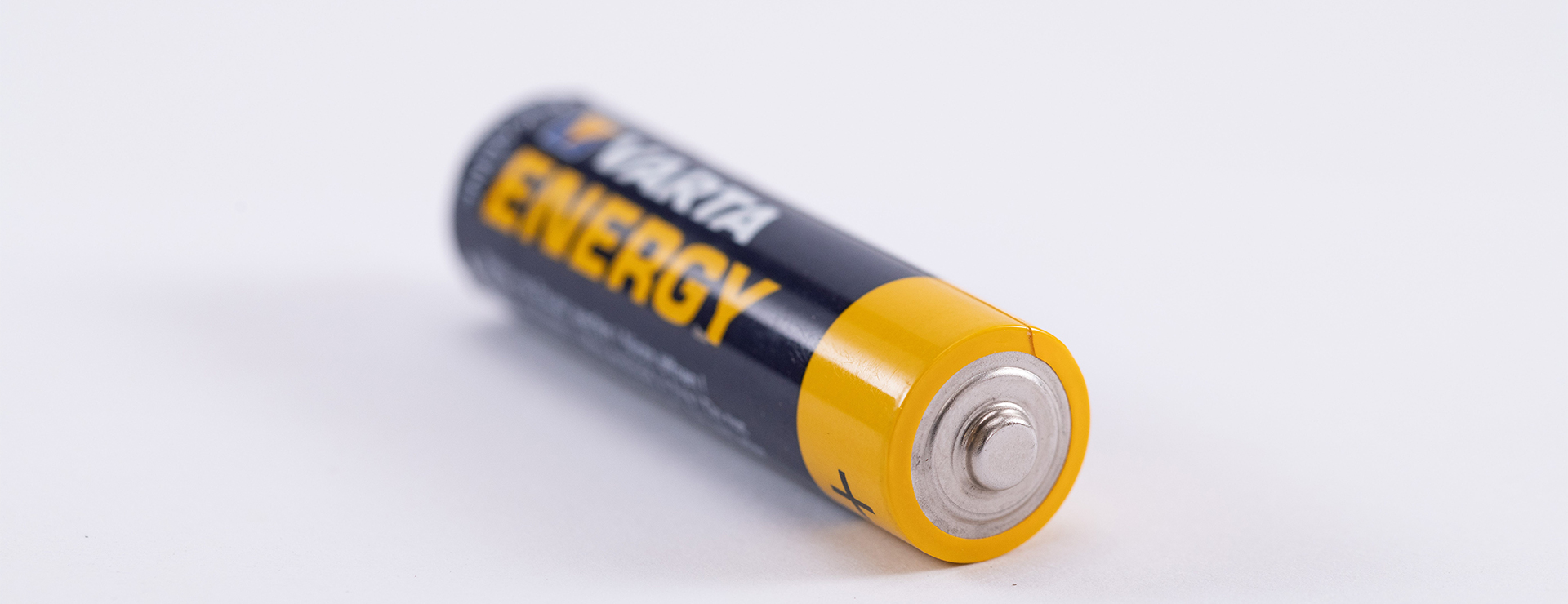
The 9V battery is the traditional choice for smoke detectors. It has been the standard for many years and is still commonly used in residential and commercial settings.

Advantages:

Long lifespan: A good-quality 9V battery typically lasts 6 months to a year before it needs replacing.

Widely available: You can easily find 9V batteries in most supermarkets, hardware stores, and online.

Reliable power: These batteries deliver consistent power to your smoke detector, ensuring it works reliably.

Disadvantages:

Frequent replacements: While reliable, 9V batteries tend to require more frequent replacements compared to other battery types.

Leakage risk: Over time, 9V batteries may leak, especially if they’re left in a device too long, potentially damaging your smoke detector.

Best For: Traditional, battery-operated smoke alarms.

2. CR123A Batteries: A Premium Choice

What are they?
The CR123A battery is a high-performance lithium battery often used in newer, advanced smoke detectors.

Advantages:

Longer lifespan: CR123A batteries can last up to 5 years, making them ideal for modern detectors designed to reduce maintenance.

Stable power output: These batteries provide steady, consistent power, ensuring your detector functions reliably.

Better temperature tolerance: They perform well in extreme temperatures, which is important in environments with fluctuating conditions.

Disadvantages:

Higher cost: CR123A batteries are more expensive than 9V or carbon-zinc options.

Limited compatibility: Not all smoke detectors can accommodate CR123A batteries, so you need to check the device’s specifications first.

Best For: High-performance or smart smoke detectors.

3. Button Cells: Compact and Cost-Effective

What are they?
Button cells, such as CR2032 Lithium Button Cells, are small, flat batteries often found in compact smoke detectors and other low-power devices.

Advantages:

Compact size: Button cells are small and easy to integrate into devices where space is a concern.

Long shelf life: These batteries have an excellent shelf life, often lasting several years without being used.

Affordable: Button cells are typically less expensive than 9V or CR123A batteries.

Disadvantages:

Shorter lifespan in smoke detectors: They may not provide enough power for long-term use in smoke detectors, requiring more frequent replacement.

Lower capacity: Button cells have less power than 9V or CR123A batteries, which may impact performance in larger or higher-power devices.

Best For: Smaller, low-power smoke detectors, typically used in compact spaces or appliances.

How to Choose the Right Battery for Your Smoke Detector

When choosing a battery for your smoke detector, consider these key factors:

Device Compatibility: Check the manufacturer’s instructions to see which battery type is recommended for your smoke detector.

Battery Life: Consider how often you’re willing to replace the battery. If you prefer minimal maintenance, a CR123A battery or a 10-year sealed battery might be the best choice.

Temperature Conditions: If your smoke detector is in a location with extreme temperatures, such as a garage, lithium-based CR123A batteries are more suitable.

Cost: 9V batteries are affordable and widely available, making them a solid choice if you’re on a budget. However, if you’re looking for fewer replacements, consider investing in a longer-lasting CR123A or 10-year sealed battery.

Conclusion: Prioritize Safety

The battery you choose for your smoke detector is essential to ensuring the safety of your home. Whether you go for a traditional 9V battery, a high-performance CR123A, or a small button cell, make sure the battery is of high quality. Regularly inspect your smoke alarms and replace the batteries as needed.

At Warriors Batteries, we offer a wide range of batteries suitable for all smoke detector models, from durable CR123A to reliable 9V alkaline options. Visit our website today to find the best battery for your smoke detector and ensure your home stays safe.

Continue
Smoke Detector Battery Replacement Cycle When to Replace 9V, CR123A, and Button Batteries

Smoke detectors are a fundamental part of home safety. To ensure they work properly, you need to replace their batteries at the right time. But how often should you change the batteries, and does it vary depending on the type of battery you use? Let’s break down the ideal replacement cycles for common smoke detector batteries.

When to Replace Your Smoke Detector Batteries

9V Batteries
9V batteries are commonly used in traditional smoke detectors. The general recommendation is to replace these batteries every 6 to 12 months. Many alarms feature a built-in low battery warning, which sounds when there are about 30 days of power left. If you haven’t heard that signal, it’s a good idea to replace the battery annually to maintain full functionality.

CR123A Batteries
If your smoke detector uses CR123A lithium batteries, you can replace them less frequently. These batteries typically last up to 10 years. However, it’s always important to check the manual for your specific smoke alarm model to ensure you're following the manufacturer’s replacement guidelines.

Button Batteries
For smaller smoke detectors that use button cell batteries like CR2032, these batteries generally last 1 to 2 years. It’s important to replace these batteries as soon as you hear the low battery warning to avoid any disruption in the detector's functionality.

Why Timely Battery Replacement is Essential

A dead battery in your smoke detector could leave you unprotected in case of a fire. By regularly checking and replacing your batteries, you can ensure that your smoke detector operates effectively, safeguarding your home and family.

Continue
What are the main differences between 400G and 800G optical transceivers?

In the field of data center high-speed interconnection, the core differences between 400G optical transceivers and 800G optical transceivers lie in the divergence of technical paths and application scenarios.


Transmission rate and modulation technology are the core distinctions: 400G uses NRZ modulation, transmitting in parallel through four 100Gbps channels; 800G upgrades to PAM4 technology, with each channel supporting 200Gbps, achieving 800Gbps via four channels. This improves spectral efficiency but imposes stricter requirements on signal processing.


In packaging and wavelength configuration, 400G mainly adopts QSFP-DD/OSFP packages with multimode 850nm or single-mode 1310nm/1550nm wavelengths; 800G integrates four 200G PAM4 channels in the same package via wavelength multiplexing and introduces silicon photonics to enhance integration. While doubling density, this raises demands for thermal management and chips.


For application scenarios, 400G suits medium-scale scenarios like data center leaf-spine interconnection and 5G backhaul (multimode 200m to single-mode 10km); 800G targets high-end scenarios such as core-layer interconnection in hyperscale data centers and AI computing clusters, requiring single-port 800G rate aggregation and long-haul transmission over 40km.


In the industrial ecosystem, 400G continues optimizing niche packaging, while 800G drives the industry toward high integration via innovations like miniaturized coherent modules and co-packaged optics, forming a "high-speed to ultra-high-speed" technical complementarity.


As an innovative enterprise in optical communications, FiberWDM offers a full range of 400G/800G optical transceivers:


  • 400G products cover QSFP-DD/OSFP packages, support 200m-10km transmission, and feature 12W low-power design for data centers and 5G fronthaul, balancing stability and cost.


  • 800G modules leverage PAM4 and silicon photonics, achieving 12-15W power consumption, supporting 40km long-haul and AI cluster short-distance interconnection, and meeting high-density energy efficiency needs.
    All products pass rigorous testing and offer customized solutions to enable efficient data transmission across network architectures.


For customized fiber optic solutions, contact the FiberWDM technical team at: sales@fiberwdm.com


Continue
Hotel Room Lighting Trends in 2025 What You Need to Know

The hospitality industry continues to evolve, and lighting plays a pivotal role in shaping guest experiences. As an outstanding hotel lighting factory and supplier, Sunwin is constantly innovating and observing the evolving landscape of hospitality design. In 2025, hotel room lighting trends emphasize technology integration, sustainability, and personalized ambiance. Below are the key trends defining this space.


1. Smart and Adaptive Lighting Systems

* IoT Integration: Voice-controlled and app-enabled lighting allows guests to customize settings via smartphones or in-room panels. Features include preset scenes like "Relax, "Work", and "Sleep" which adjust brightness and color dynamically.

* Human-Centric & Circadian Lighting: Hotels are adopting systems like Philips' RoomFlex that mimic natural daylight cycles to regulate circadian rhythms and enhance guest sleep quality.

* Sensor-Activated Lighting: Motion sensors activate pathway lighting at night for safety, while presence detection adjusts room temperature and lighting upon entry.


2. Energy Efficiency and Sustainability

* LED Application: Energy-saving LEDs and OLEDs dominate new installations, offering up to 70% electricity savings over incandescent lamps and 50,000+ hours long lifespan.

* Natural and Recyclable Materials: Lamps made from natural materials like wood, rattan, bamboo, and recycled metals are prioritized to reduce environmental footprints. These elements bring a sense of organic tranquility and connection to nature directly into the guest room, fostering a more serene and calming atmosphere.


Sunwin's commitment to sustainable practices extends to our material sourcing and manufacturing processes, ensuring that our lights are as eco-friendly as they are aesthetically pleasing.


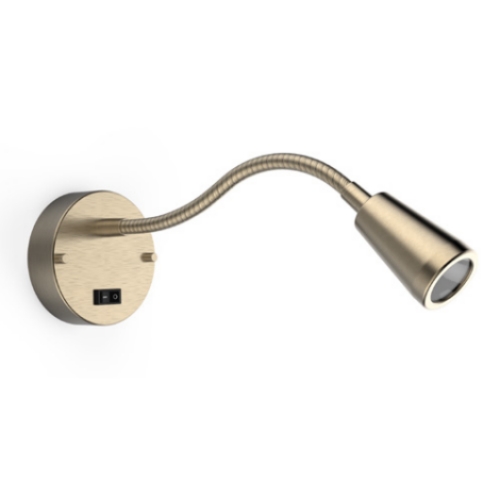
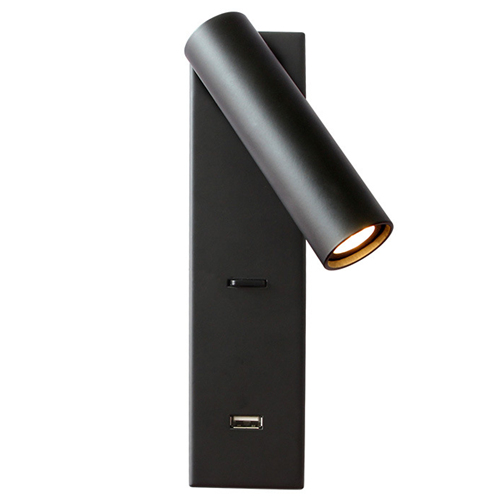
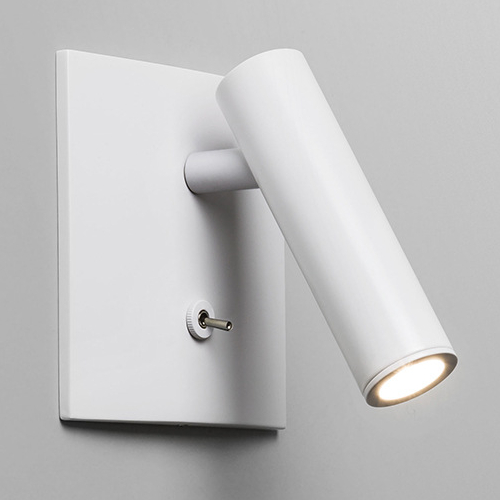
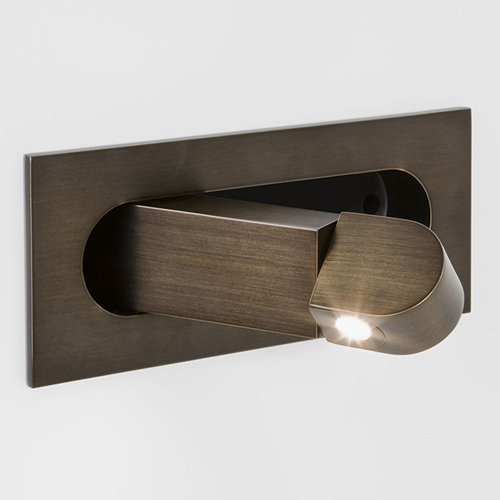
Contemporary decorative hotel room lighting


3. Customizable Ambiance Lighting

* Color-Tunable LEDs: Hotels use RGB LED strips to let guests choose hues for mood enhancement (e.g., calming blues for relaxation, vibrant reds for social settings).

* Layered Lighting Design: Combining ambient, task, and accent lights to create depth and flexibility.


4. Integration with Architecture and Art

* Seamless Light Fixtures: Minimalist wall-mounted or recessed fixtures offer a clean, unobtrusive look. Integrated LED strips hidden in coves or behind headboards deliver diffuse ambient light without visible hardware, supporting streamlined aesthetics

* Art-Centric Illumination: Picture light or spotlight highlights in-room artworks adding sophistication.


For hotels, these trends are not just about aesthetics but about creating memorable, health-conscious, and energy-efficient environments.


Sunwin lighting is one of the well-known hotel project lamps manufacturers in China, we pride ourselves on our ability to custom-design and manufacture exquisite lighting solutions that align perfectly with each hotel's unique vision, ensuring that every guest room tells its own story through light. Send your inquiries to sales@sunwinhotellighting.com to experience our competitive budgets and unparalleled services.

Continue
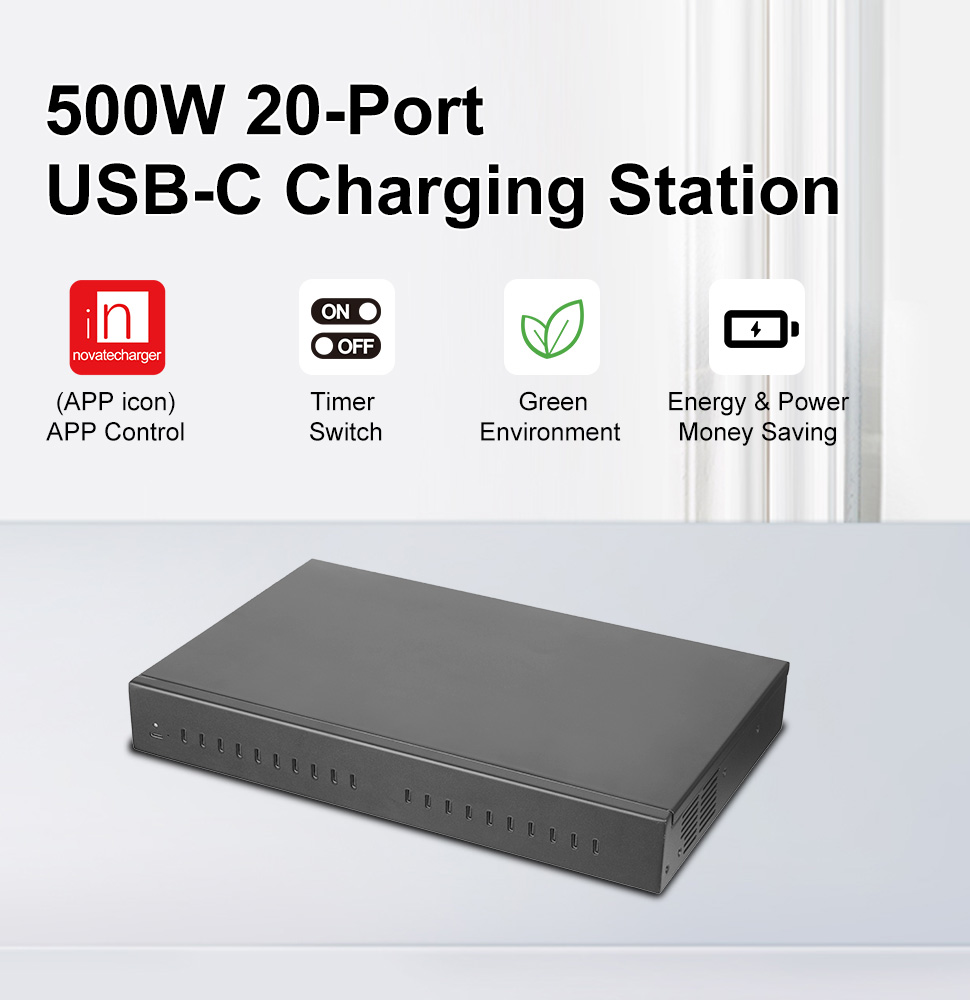
Efficient and Intelligent Charging Solution — 500W 20-Port USB-C Phone Charging Cabinet

Whether in offices, schools, or public spaces, a high-performance multi-device charging cabinet is essential to improve service quality. The 500W 20-Port USB-C Phone Charging Cabinet offers a reliable, convenient, and efficient solution to power multiple devices simultaneously, enhancing user experience and management.


The 20-port mobile phones cabinet features powerful 500W output, supporting fast charging for up to 20 smartphones. Equipped with USB-C ports supporting multiple fast-charging protocols like Power Delivery, it ensures optimal speed and broad device compatibility. Its smart management system automatically recognizes device needs and distributes power safely, with added safety doors and cooling for reliable operation.

500W 20 Ports USB-C Phone Charging Cabinet

Designed for space efficiency and ease of use, it fits various environments with a compact structure and simple operation—just connect your devices and let the smartphones 500W UBS-C charging cabinet handle the rest. This setup significantly streamlines management and reduces setup complexity, making it ideal for diverse settings.


Suitable for educational institutions, corporate offices, public venues, and shared spaces, the 20 ports USB-C iPhone charging cabinet offers high efficiency, safety, energy savings, and user-friendly controls. Investing in this innovative charging solution will elevate device management and deliver a better charging experience for your staff and customers.

Continue
What is the Future of 5G Technology?

As we step into an era increasingly defined by ultra-fast communication, artificial intelligence, and quantum computing, the role of 5G technology is becoming both foundational and transformative. The evolution of 5G is no longer merely about higher data rates or lower latency—it's about meeting the escalating demands of complex applications through enhanced precision, stability, and customization at the hardware level.

                    Custom RF timing solution provider 

Customized Frequency Solutions: The Hidden Backbone

One of the most critical enablers behind next-generation applications lies in the refinement of frequency control products, especially those tailored for specific environmental and computational demands. In AI-driven edge computing and real-time autonomous systems, even minor deviations in signal timing can lead to significant performance losses or instability. Here, temperature-compensated crystal oscillators (TCXOs) and oven-controlled crystal oscillators (OCXOs) are pivotal in ensuring that signal timing remains accurate despite fluctuations in temperature and voltage.

High-precision oscillator modules

Moreover, the requirement for low phase noise and high signal purity is particularly crucial in quantum computing applications, where quantum bits (qubits) rely on precise synchronization to maintain coherence. Any jitter or frequency drift could corrupt data fidelity at the quantum level. As such, demand for custom frequency modules tailored to ultra-narrow stability tolerances is rising sharply.


AI, Quantum Computing, and the Push for Clock Precision

Modern AI workloads require hardware that can synchronize vast streams of data across distributed nodes. This makes high-stability frequency sources indispensable. For instance, in data centers powered by AI inference engines, clock drift could mean misalignment between machine learning models and real-time inputs, leading to degraded performance. Here, frequency products with aging compensation and temperature resilience—such as OCXOs with sub-ppb stability—offer a reliable solution.


In quantum environments, frequency synchronization must occur at unprecedented precision. A shift of even a few femtoseconds in timing can lead to logical errors in quantum gates. To address this, developers are turning to high-precision crystal resonators and advanced frequency synthesis techniques that support tighter phase control and lower jitter.


5G: More Than Just Speed

5G’s potential is directly tied to the robustness of its supporting infrastructure. For millimeter-wave (mmWave) 5G, where frequencies reach 24 GHz and above, oscillator phase noise becomes a dominant factor in system performance. Poor signal integrity at these frequencies can degrade both bandwidth and connection stability. As such, customized frequency solutions designed with specific phase noise characteristics are critical for enabling consistent performance in dense urban environments or complex antenna systems like Massive MIMO.


Toward an Integrated Frequency Ecosystem

As the complexity of technology grows, so does the need for frequency solutions that are not only stable but also integrated and programmable. Future-proof systems will likely employ multi-functional frequency modules, which combine temperature compensation, frequency agility, and low noise in a compact package. These solutions allow hardware architects to flexibly adapt to varied operational environments—whether in low-earth orbit satellite communications or terrestrial 5G base stations.


In summary, the evolution of 5G technology is intricately linked to the development of advanced frequency control solutions. These components must meet the increasing demands for precision, temperature tolerance, and low noise across applications in AI, 5G infrastructure, and quantum computing. As industries continue to innovate, only those equipped with custom frequency technologies tailored for tomorrow’s performance challenges will lead the next wave of digital transformation.


Continue
▶Samsung first time use LG LCD panel in TVs

Samsung Electronics will produce TVs featuring liquid crystal display (LCD) panels supplied by its crosstown rival LG Display from July. This is the first time for Samsung to use LG panels. The company will use 40- and 60-inch LG panels in its premium TVs.

Accordingly, Samsung and LG, which are the biggest rivals in the TV market, have established a new cooperative relationship as set manufacturer and component supplier. Market watchers say that the two companies will maintain their partnership for the medium to long term as Japan’s Sharp decided to stop supplying panels to Samsung.

According to industry sources on June 27, LG Display will start producing the 40- and 60-inch LCD panels for Samsung’s high-end TVs from next month at its P7 and P8 plants in Paju, Gyeonggi Province. After Sharp abruptly broke its long-term partnership with Samsung in December last year, Samsung tapped LG for supplies of larger LCDs. An official from the electronics industry said, “The two firms have negotiated contract conditions, including the production schedule, over the past six months and have recently come to an agreement for the medium and long term supply system. So, LG Display will start supplying its panels to Samsung in July.”

About 700,000 to 1 million units of the LG panels are expected to be supplied to Samsung a year. Samsung, the world’s largest TV maker, used to secure 4 to5 million LCD panels a year from Sharp and has had difficulties in expanding the production of some premium products after the Japanese display maker cut off the supply.

However, Samsung will be able to get over “Sharp Shock” as the company will start getting the supply of panels from LG and increasing the supply from China’s BOE and Taiwan’s Innolux from next month. Previously, Taiwan’s Hon Hai Precision Industry, which acquired Sharp, announced to stop supplying panels to Samsung in order to hold back the world’s largest TV maker in the market. LG Display has also secured a stable source of revenues as it starts supplying panels to the world’s largest TV maker.

The electronics industry believes that the supply of LG panels to Samsung will be the start of expanding the partnership of two companies. Samsung Display, a subsidiary of Samsung Group, focuses more on organic light-emitting diode (OLED) panels rather than LCDs so it cannot supply enough LCDs to Samsung.

An official from the electronics industry said, “LG Display focuses on large LCD and large OLED panels, while Samsung Display focuses on small and tslcd mid-sized OLEd panels. So, the two companies can be a shield one another when a company is in crisis. When they set up the cooperative system in components, while avoiding risks of investment in equipment and facilities, there will be a huge synergy.”


LCD
Continue
Led Drivers Feature – Dimming

As using led driver options for lighting has widely spread in world. We can find applications with the right led lights and led drivers for someone who cannot find exactly what he or she needs from the internet.

CE/UL/cUL/ROHS AC to DC 24V 20W Constant voltage LED driver

Dimming is another feature available on some led drivers which allows led lighting intensity to be adjusted. triac dimmable led driver adds different moods and can create an ambience fitting for the occasion. In addition to creating different moods and ambiences, dimming can provide further energy savings by adjusting the lighting to a level that is suitable for the application in turn using less electricity.

There are many resources available when selecting the right led drivers. The Internet can be a great source when shopping for the right driver. Driver can be purchased directly from the manufacturer's website like https://www.smarts-electronics.com/ which offers convenient ordering options or from electronic supply stores also featured on the Internet. Which is a great resource to find the right driver.

Using led lighting with constant voltage led driver can be very beneficial when it comes to money savings and when trying to preserve the environment. Whether a person is trying to do their part to be green or just looking for ways to reduce expenses, led lighting is an available and popular way to achieve either goal. There are many prefabricated applications available for purchase anywhere lighting is sold and for the rare occasion what is needed cannot be found, led lighting can be customized.

Knowing the lighting needs and the intended application is important when creating a customized led lighting application. The most important piece to led lighting applications is the led drivers. Led drivers are available with different voltage and current ratings and a number of options that make customizing led lighting simple and affordable.

What we need just top quality product that can help us using energy source more effectively, and that also our main goals.

Related Reading: Constant current led driver, led driver for led floodlight, Enclosure power supply

led driver
Continue
Carbon Fiber Watch Showdown North Edge and Garmin

In the field of smart sports watches, the carbon fiber material has become a favorite of many brands due to its high strength and lightweight characteristics. Today, we will compare the carbon fiber watches of the niche dark horse North Edge and the industry giant Garmin to see what unique advantages each of them has.


Material and Craftsmanship: Similar Raw Materials, Different Textures
North Edge's carbon fiber watches (such as the ALPS series) mostly use carbon fiber composite materials to make the watch case. Through special processes, carbon fiber is integrated with other materials. While ensuring strength, it achieves extreme lightness - the weight of a single watch is only about 49 grams, and there is no burden for long - term wearing. However, due to the brand positioning and cost constraints, the carbon fiber texture of its watch case is slightly inferior in terms of fineness and gloss, and some users have reported that the edge treatment of the watch case is not round enough.


Garmin's MARQ Carbon Premium series demonstrates the craftsmanship level of a leading brand in the industry. The bezel is stacked with 130 layers of carbon fiber, and the side case is also made of carbon fiber material. The surface texture is delicate and has a sense of hierarchy. Matched with the Grade - 5 titanium alloy back case, the overall texture is high - end. Its carbon fiber material has passed strict impact - resistance and high - temperature - resistance tests, and can still maintain stable performance in extreme environments.


Continue
NFC On-Metal Tags Breakthrough Solution for Metal Surface Applications | UNIRFID

Discover UNIRFID’s ultra-thin NFC on-metal tags with anti-metal layers. Perfect for smartphones, laptops, metal assets, and more. Explore customizable thickness options today!


Why Metal Surfaces Challenge NFC Performance

Near Field Communication (NFC) technology has revolutionized contactless data sharing, payments, and asset tracking. However, metal surfaces pose a significant problem: they reflect NFC radio waves, causing signal interference and rendering standard NFC tags unusable. This limitation has long hindered applications in electronics, industrial equipment, and metal-rich environments.

Enter NFC on-metal tags (also called NFC anti-metal tags) – engineered to overcome this barrier and deliver seamless performance on metallic surfaces.


How Do NFC On-Metal Tags Work?

UNIRFID’s NFC on-metal tags integrate a specialized absorbent layer (anti-metal layer) behind the NFC inlay. This layer neutralizes electromagnetic interference from metal surfaces by absorbing excess energy, ensuring stable signal transmission and readability.

Whether you’re embedding tags in smartphones, attaching them to laptops, or tracking metal machinery, these tags maintain consistent performance without compromising on size or durability.


Key Features of UNIRFID NFC On-Metal Tags

  1. Ultra-Thin, Flexible Designs
    Choose from thicknesses as slim as 0.03mm for discreet applications (e.g., smartphones) up to 0.35mm for heavy-duty environments. Our anti-metal layers adapt to your needs without bulk.

  2. Durable & Weather-Resistant
    Built to withstand harsh conditions, including moisture, heat, and physical abrasion, ensuring reliability in industrial and outdoor settings.

  3. Broad Compatibility
    Works flawlessly with all NFC-enabled devices (iOS and Android) and standard NFC readers.

  4. Customizable Sizes & Shapes
    Tailor tags to fit your product design, branding, or functional requirements.


Applications of NFC Anti-Metal Tags

  • Smartphones & Consumer Electronics: Embed tags into metal phone cases or devices for secure contactless payments, authentication, or marketing.

  • Industrial Asset Tracking: Monitor machinery, tools, and metal equipment with scannable tags that survive tough environments.

  • Metal Furniture & Infrastructure: Enable smart office solutions (e.g., NFC-enabled desks, lockers) or public installations.

  • Automotive & Logistics: Track metal containers, vehicle parts, or inventory with high-precision tags.


Why Choose UNIRFID’s NFC On-Metal Tags?

  • Precision Engineering: Our absorbent materials are optimized for maximum signal integrity across all thickness options.

  • Cost-Effective Scaling: Bulk orders come with competitive pricing and rapid production lead times.

  • Expert Support: From prototype to deployment, our team provides end-to-end guidance for seamless integration.


Order Your NFC On-Metal Tags Today!

Don’t let metal surfaces limit your innovation. UNIRFID’s NFC anti-metal tags combine cutting-edge technology with unmatched versatility, empowering industries to unlock new possibilities.

Available Thickness Options: 0.03mm, 0.1mm, 0.2mm, 0.35mm


Continue
Home Archives