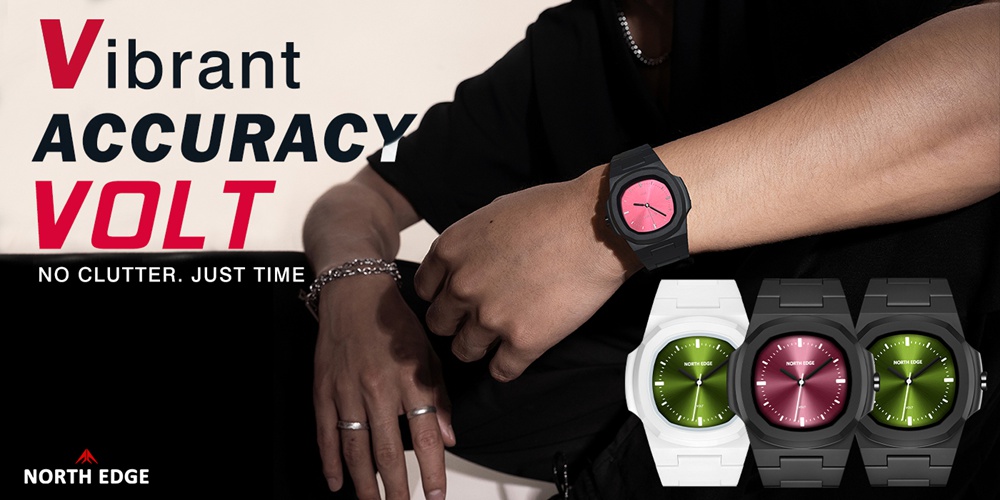
DA03 SmartWatch The Rugged Companion for Active Lifestyles

If you love Garmin’s rugged durability but not its premium price tag, meet the DA03 Smartwatch—a feature-packed rival that delivers military-grade toughness at a fraction of the cost.


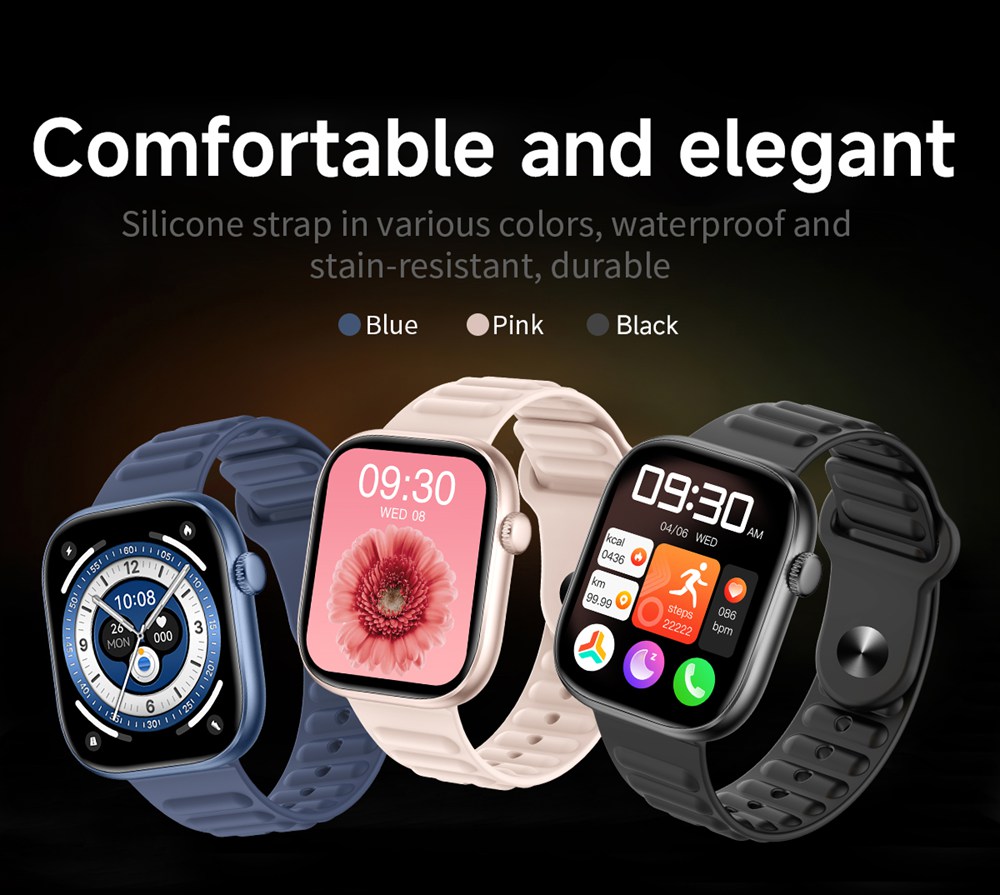
While Garmin dominates the adventure watch market, the North Edge DA03 matches its resilience with dust-proof, antifreeze, and high-temperature resistance—perfect for hikers, cyclists, and outdoor enthusiasts. With dust-proof, antifreeze, and high-temperature resistance, the DA03 is built for adventurers. Its Bluetooth call quality rivals high level watch, thanks to high-fidelity waterproof speakers—perfect for workouts or rainy days. Health tracking is another standout, with heart rate, blood oxygen, and sleep monitoring comparable to Fitbit. Plus, customizable watch faces let you switch between sporty and sleek looks effortlessly.


If you want Garmin’s toughness and Fitbit’s health tracking—without the premium cost, the DA03 is your best bet. Ready to upgrade? This might just be your next favorite smartwatch.


The North Edge manufactual smart watch, outdoor watch, GPS watch etc, welcome to choose us.

smart watch north edge watch


Continue
Benchtop vs Full-Size EPR Which Is Right for Your University Lab?

Choosing the right EPR spectrometer for university labs can significantly impact how your team teaches, researches, and collaborates. Whether you're building a new EPR spectroscopy facility or upgrading an aging setup, one key question often comes first: benchtop EPR or full-size EPR?

Both options offer unique strengths, and your decision should depend on factors such as space, research priorities, budget, and the expected user experience. Across Europe, lab choices are shaping a new generation of academic EPR spectroscopy.


Teaching Labs: Why a Benchtop EPR System is Often the Smarter Choice

For chemistry departments and physics teaching labs, especially those focused on undergraduate or master's-level instruction, a full-size spectrometer can be excessive in terms of size, cost, and complexity. More and more institutions are turning to benchtop EPR systems that prioritize accessibility, affordability, and ease of use.

At the National University of Singapore (NUS), CIQTEK Benchtop EPR spectrometer has been integrated into their teaching and demonstration platform for students in the Department of Chemistry. According to faculty feedback, the system enables students to gain hands-on experience with real electron paramagnetic resonance techniques in a compact, classroom-friendly setup. With its small footprint, intuitive software, and reliable performance, it bridges the gap between theoretical instruction and real-world application.

For labs seeking the best benchtop EPR for university education, CIQTEK’s EPR solution stands out with true X-band performance, minimal maintenance needs, and seamless integration into existing teaching modules.


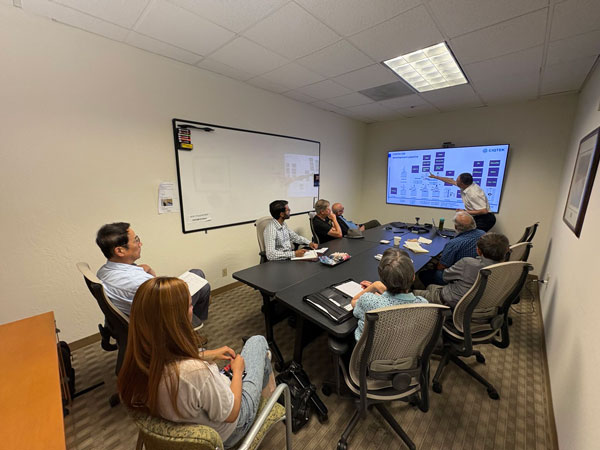
CIQTEK Benchtop EPR200M Spectrometer at the Universiteit Utrecht, Netherlands 

CIQTEK Benchtop EPR200M Spectrometer at the Universiteit Utrecht, Netherlands


Research Labs: Why Full-Size EPR Still Matters for Advanced Science

For advanced research in quantum materials, molecular magnetism, or X-band pulse EPR, the flexibility and sensitivity of a full-size EPR spectrometer remain crucial. These systems offer broader modulation capabilities, stronger field homogeneity, and support for features like variable temperature EPR spectroscopy.

In 2024, a leading UK materials lab upgraded to a CIQTEK CW EPR spectrometer with integrated VT control, specifically to explore spin dynamics in transition metal complexes. The built-in support for nitrogen and helium cryostats allowed the group to run low-temperature experiments (down to 4 K) without external cooling equipment or extended tuning time.

Meanwhile, a German spin physics group working on magnetic nanoparticles adopted a CIQTEK pulse EPR system. Researchers highlighted its clean echo-detected response and its easy automation, ideal for labs needing repeatable and high-throughput EPR experiments.

If your academic team conducts electron paramagnetic resonance at variable temperatures or uses pulse sequences, a full-size model may be a better long-term investment.

CIQTEK X-band EPR Spectrometer

Budget, Space, and Support: What Often Decides the Winner

For many universities, space constraints and budget ceilings make benchtop models attractive. A compact EPR spectrometer helps reduce installation costs and simplifies user training. But it’s not just about equipment, it’s also about support.

CIQTEK has built a strong reputation across Europe for offering fast-response remote diagnostics, local service teams, and multiple demo centers where customers can test instruments before purchase. A lab in Romania that previously struggled with service delays from another vendor saw a dramatic improvement after switching to a CIQTEK EPR system, citing quick turnaround for both questions and maintenance.


CIQTEK EPR Solutions: Designed for Real University Labs

Whether you're a teaching lab looking for an affordable benchtop EPR system or a research group needing X-band pulse EPR with low-temperature cryogenic options, CIQTEK provides tools designed with academic users in mind:

  • - Benchtop EPR: Desktop-sized, user-friendly, reliable. Ideal for chemistry and biology teaching labs.
  • - CW EPR with VT: Built-in support for cryostats, smooth control from 4 K to 300 K. No extra setup needed.
  • - Pulse EPR systems: High SNR, automated sequences, ready for advanced materials research.
  • If your university is exploring the best EPR spectroscopy equipment for 2025, take a closer look at CIQTEK’s growing presence in labs across the U.S., UK, Germany, France, Romania, Netherlands, and beyond.
  •  
  • CIQTEK EPR Spectrometers
  •  

Learn more or request a live demo at https://www.ciqtekglobal.com


Continue
How to Find a Portable 32 USB-C Tablet Charging Cabinet for K-12 Education?

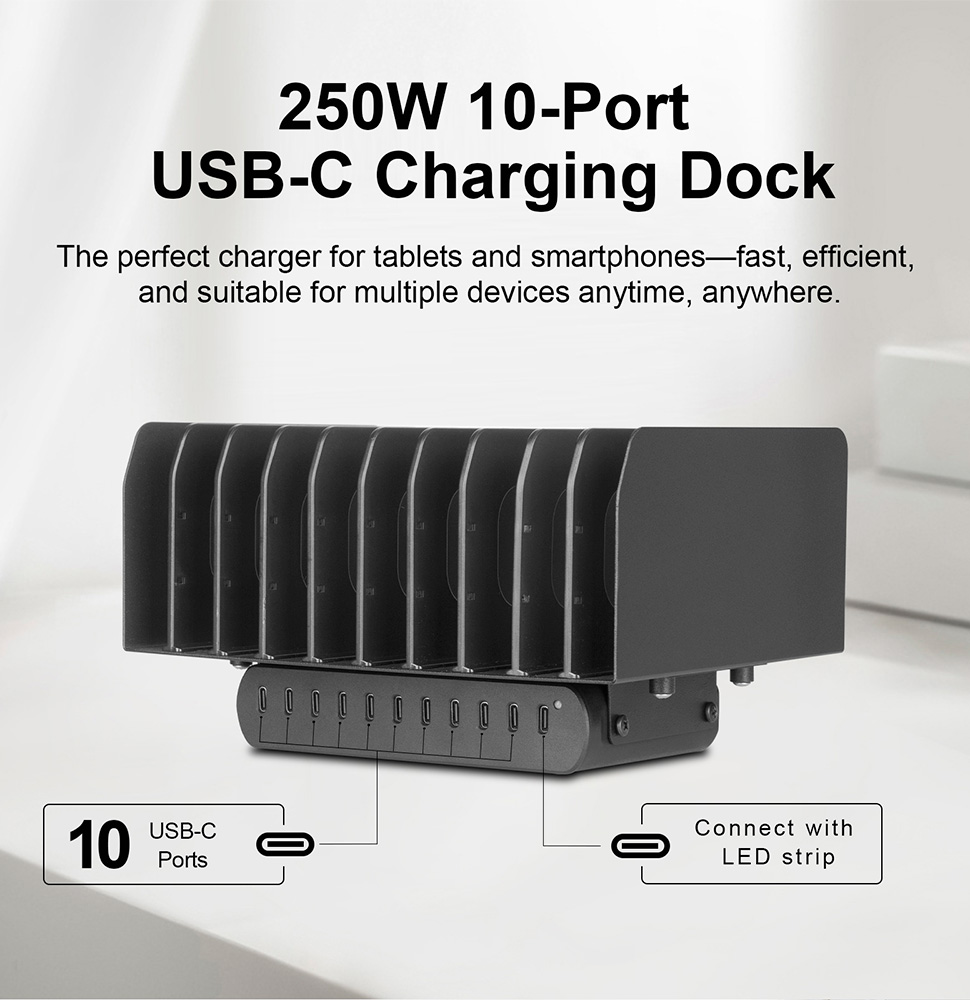
When outfitting a classroom or school district with the latest technology, a 32 ports USB-C iPad Charging Cabinet is an excellent solution for managing multiple devices efficiently. These USB-C tablets charging cabinets are designed to hold and charge up to 32 tablets simultaneously, providing a tidy, organized way to keep educational devices ready for use. The portability of a Portable School Charging Cart Station makes it ideal for K-12 environments, allowing teachers to easily move and connect devices between classrooms or different locations within the school.

A key feature to look for is a 700W USB-C PD Charging cabinet that supports fast and efficient charging. The Fast-Charging USB-C cabinet ensures that devices are powered up quickly, minimizing downtime and maximizing classroom productivity. For schools aiming to streamline their workspace solutions, these best devices for Workspace Solutions include models that are both compact and powerful, capable of handling a large number of tablets with ease.

Choosing a 700W USB-C charging cabinet is a good choice for K-12 Education tablets because of its ability to provide reliable, high-speed power without overheating or power loss. The tablets charging cabinet often features multiple ports and smart power distribution, allowing every device to charge safely and efficiently. This makes them suitable not just for current needs but also scalable for future school expansions or new device integrations.

For educators seeking a dependable, efficient way to manage their technology, investing in a Portable School Charging Cart Station with 32 ports USB-C support and robust power capabilities is essential. Whether for daily classroom activities or shared lab environments, these USB-C cabinets offer the perfect combination of portability, speed, and capacity to meet the demands of modern K-12 education. They truly stand out as the best devices for workspace solutions that keep students and teachers connected and ready to learn.

Continue
What's the Perfect Power Solution for Robots?

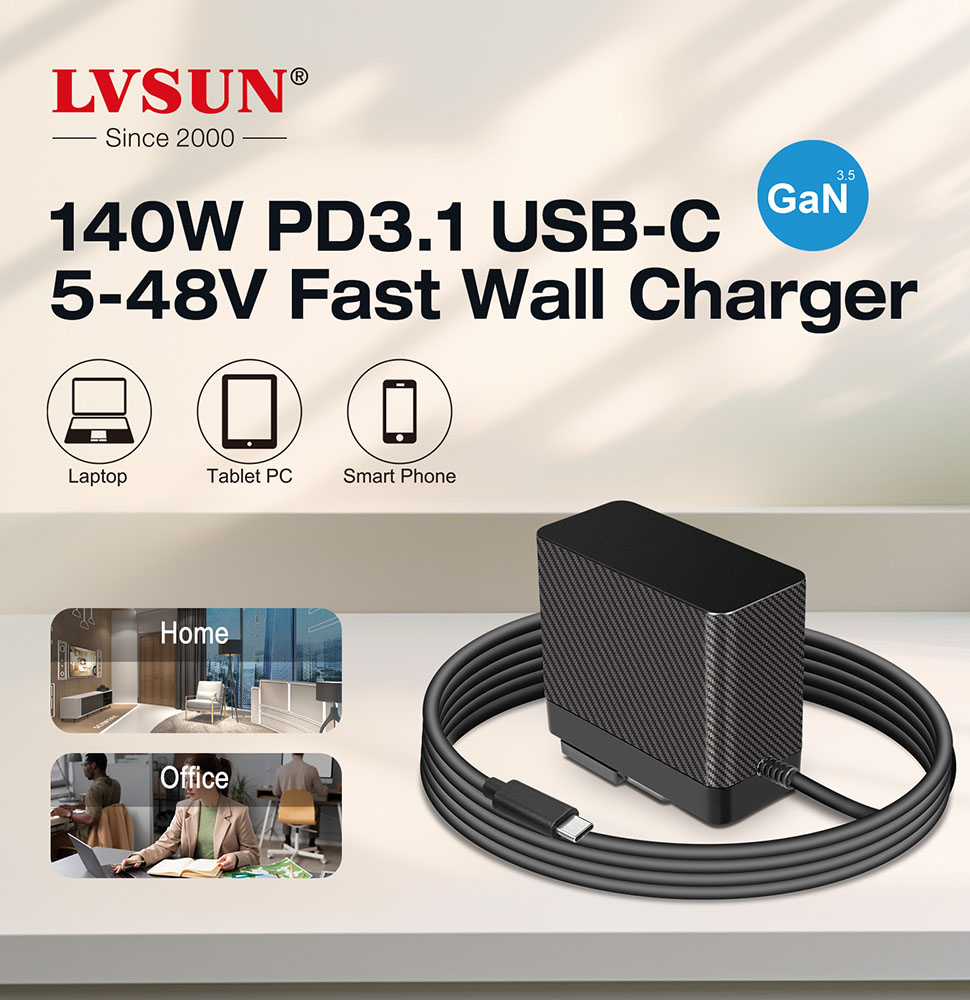
Powering robotic devices efficiently and reliably requires more than just a standard charger. The ideal power solution must be versatile, fast, and adaptable to different environments and device requirements. Our latest USB-C PD 3.1 charger offers a comprehensive answer, supporting a wide range of voltages and currents. With options like DC5V/9V/12V/15V/3A, 20V/28V/5A, 36V/3.89A, and 48V/2.92A, it ensures compatible, fast, and safe charging for diverse robotic applications. Additionally, support for PD 3.1 PPS adjustable from 3.3V to 21V up to 5A means that different devices can be charged efficiently under one power platform, reducing the need for multiple chargers.


When choosing a power solution for robotic systems, stability, efficiency, and safety are key. Thats why our custom-designed ROBOT charger is your best choice. Its engineered specifically for the ROBOT series, providing high efficiency and stable performance even during intensive operations. This ensures your robots operate smoothly, with reduced downtime due to power issues, and longer device lifespans.

PD3.1 48V Robot USB-C Charger

Traveling or operating in various regions? No problem. Our charger is equipped with multiple international plugs—US, Australian, European, and UK standards—making it adaptable worldwide. Supporting a universal voltage input of 100V to 240V, its the perfect companion for global deployment. The built-in high-quality USB-C cable adds extra convenience, eliminating the need to carry separate cables and making on-the-go charging effortless.


Our innovative IPA (Intelligent Power Adjustment) technology takes smart charging to the next level. It detects the connected device and automatically adjusts output parameters for maximum efficiency, safety, and device longevity. Compact yet powerful, delivering up to 140W, this charger is designed for portability and high performance. Whether in a factory, lab, or on a trip, its the smart, reliable power solution your robots deserve.

Continue
What is Wearable Technology in 2025?

In 2025, wearable technology has evolved into an ecosystem of advanced, compact, and highly capable devices—most notably, smartwatches. These devices have transcended basic fitness tracking to become multifunctional companions that integrate health monitoring, communication, navigation, and contactless payment into a single wrist-worn form.

best timing solutions for ultra-thin smartwatches 

The Era of Multi-functional Smartwatches

Today’s smartwatches are expected to perform a wide range of tasks with precision and speed. Features such as real-time ECG monitoring, sleep tracking powered by machine learning, voice assistants, and seamless smartphone integration have become standard. This rise in functionality places a significant demand on the internal architecture of these devices.


A major engineering challenge lies in balancing functionality with form factor. With consumers demanding thinner, lighter wearables, manufacturers are pressed to miniaturize components without sacrificing performance. The drive for compact, multifunctional modules requires innovation not only in software but also in the foundational hardware.


Power Efficiency and Battery Life

Battery life remains a critical benchmark for user satisfaction. While some models tout multi-day performance, the integration of high-resolution displays and continuous sensor operation often compromises energy consumption. Consequently, every hardware component must be power-optimized.


For instance, Temperature Compensated Crystal Oscillators (TCXOs) have become essential in modern smartwatch design. These oscillators ensure precise frequency control even under fluctuating temperatures—crucial for GPS synchronization, Bluetooth connectivity, and heart rate sensor timing. Their low power consumption directly supports extended battery life without sacrificing signal stability.


Structural Constraints and Compact Design

The demand for a sleeker form factor has pushed the industry toward highly integrated designs. Flexible PCBs, stacked component layouts, and multi-functional chips are now common. As available space shrinks, the role of miniature crystal oscillators becomes increasingly vital. These components must maintain performance integrity while occupying minimal board area.


Products such as the SMD2016 crystal oscillator, which measures 2.0x1.6 mm and is housed in a metal package, are designed for next-generation wearable electronics. Despite their reduced size, they are still able to provide stable frequency performance, which is critical for Bluetooth and sensor timing. The use of non-ceramic materials enhances thermal conductivity and mechanical resilience, ensuring reliable operation in compact, high-density smartwatch layouts.
  miniature SMD oscillators for compact wearable design

Reliability in Continuous Monitoring

Smartwatches now support continuous monitoring of health data, including SpO2, heart variability, and skin temperature. This uninterrupted function demands a consistent and reliable clock source, unaffected by movement or external interference.


Quartz-based frequency components are preferred for their excellent phase noise characteristics and long-term stability. These features are especially important when devices operate 24/7, under both indoor and outdoor conditions. Some wearable designs now incorporate low-jitter VCXOs to support real-time audio signal processing for on-wrist calls and alerts.


The Role of Frequency Components in 2025 Wearables

Wearable tech relies on seamless communication—Bluetooth, Wi-Fi, LTE, and even ultra-wideband (UWB). The foundation for all these wireless technologies lies in stable timing and frequency references. As wireless protocols advance, the importance of precise frequency control grows.


For example, OCXOs (Oven Controlled Crystal Oscillators), although traditionally used in larger equipment, are seeing innovations in micro-packaged variants for advanced wearables used in military or industrial applications. These components guarantee ultra-high stability required for mission-critical communications.
 

Wearable technology in 2025 is a fusion of compact design, expanded functionality, and extended endurance. To achieve this, designers are increasingly reliant on precision components that balance performance and efficiency. Frequency control elements like TCXOs, VCXOs, and miniature SMD oscillators play a silent but critical role in meeting the technological demands of next-generation wearables. As innovation continues, the sophistication of these tiny components will only become more central to the evolution of wearable devices.If you have more product inquiries, please contact us at ivy@jghcrystal.com


Continue
Best EPR Spectrometers for Academic Labs in 2025 Compact, Affordable & Research-Ready

In 2025, selecting the best EPR spectrometer for academic labs isn’t just about specs on paper. It’s about practical performance, usability, and long-term support. Across Europe, from chemistry departments in France to physics labs in Germany, researchers are rethinking their approach to Electron Paramagnetic Resonance (EPR) spectroscopy.

Whether the goal is to teach undergraduates the fundamentals of radical chemistry or to perform advanced X-band pulse EPR experiments in low-temperature environments, today's labs need instruments that are compact, affordable, and research-ready. So, what are Europe’s labs choosing?


1. Benchtop EPR: Making Teaching Labs Smarter and Simpler

Not every lab needs a full-scale floor-standing spectrometer. For teaching and routine experiments, benchtop EPR systems are rapidly becoming the default. Their appeal lies in ease of use, portability, and strong baseline performance.

At the Universiteit Utrecht, for instance, a CIQTEK benchtop EPR spectrometer EPR200M was recently installed. The system is compact enough to fit on a standard bench and comes with intuitive software that new users can operate within an hour. Professors there reported reliable detection of short-lived radicals in lab experiments, without the learning curve typically associated with EPR.

These compact EPR spectrometers strike the perfect balance for chemistry and materials science teaching labs, making high-quality EPR spectroscopy more accessible than ever.

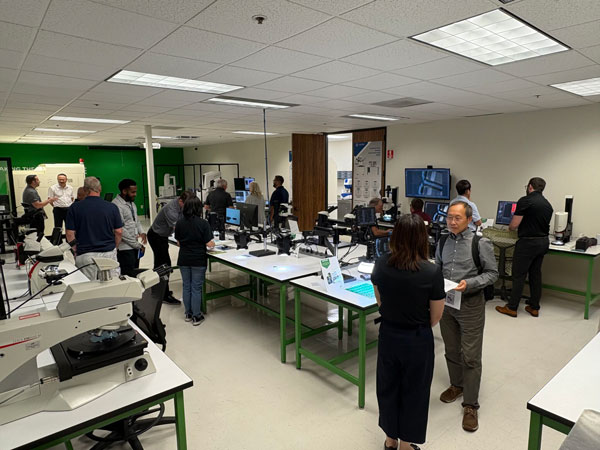
Benchtop EPR spectrometer in chemistry teaching lab – CIQTEK system in use


2. CW EPR with Variable Temperature: A Must for Research Flexibility

For labs focusing on spin dynamics, catalytic mechanisms, or materials, cryogenic measurements are essential. Many researchers in Germany and France are now demanding CW EPR spectrometers with reliable variable temperature (VT) capabilities, preferably with plug-and-play usability.

CIQTEK’s CW EPR system, designed for X-band EPR spectroscopy, includes built-in support for nitrogen and helium-based VT experiments using cryostats. A recent installation at a German materials science institute confirmed its smooth temperature cycling, with stable signals even at temperatures as low as 10 K. The system eliminates the need for complex manual tuning, making it easier for academic groups with rotating users or tight schedules.

If you need low-temperature EPR spectroscopy without needing a cryogenics specialist on your team, this kind of integration makes all the difference.

CIQTEK X-Band CW-EPR Spectrometer

3. Balancing Budget and Ambition: Affordable EPR Spectrometers for Universities

Let’s face it: even the best labs face budget constraints. But cost shouldn’t mean compromise. Universities across the UK, especially those outside of the golden triangle, are actively seeking affordable EPR instruments that deliver serious scientific value.

In one standout case, a France-based spin chemistry group was evaluating options for a pulse EPR system. Traditional vendors quoted high prices and long delivery times. CIQTEK offered a complete Pulse EPR solution with echo-detected and relaxation measurements, along with full software automation, at significantly lower cost.

After on-site testing, the team praised the signal-to-noise ratio, the modern interface, and the rapid support during commissioning. The system is now in daily use, generating data for upcoming publications.


4. Support That Actually Supports You

Instrument specs are important, but for many labs, what happens after delivery is what defines long-term satisfaction. Delays in support or a lack of local expertise are still common pain points.

In 2024, a lab in Romania reported slow response times from their legacy vendor. After switching to a CIQTEK EPR system, the team noted faster communication, efficient remote diagnostics, and access to EU-based demo centers. This helped them reduce downtime during the semester, critical for meeting academic schedules and student training goals.


Why More European Labs Are Switching to CIQTEK EPR Systems

Benchtop EPR: Compact, portable, ideal for teaching and starter labs.

CW EPR with VT: Reliable cryogenic operation for advanced research.

Pulse EPR: High performance at a fraction of the traditional cost.

Responsive Support: Local demos and remote assistance across Europe.

If you're evaluating options for an EPR spectrometer in 2025, especially for European academic labs, CIQTEK offers a powerful combination of innovation, user-friendly design, and cost-efficiency—already trusted by institutions across the UK, Germany, Romania, and beyond.


>> Explore CIQTEK’s full range of EPR systems or contact us to schedule a demo near you.

CIQTEK’s full range of EPR systems

Continue
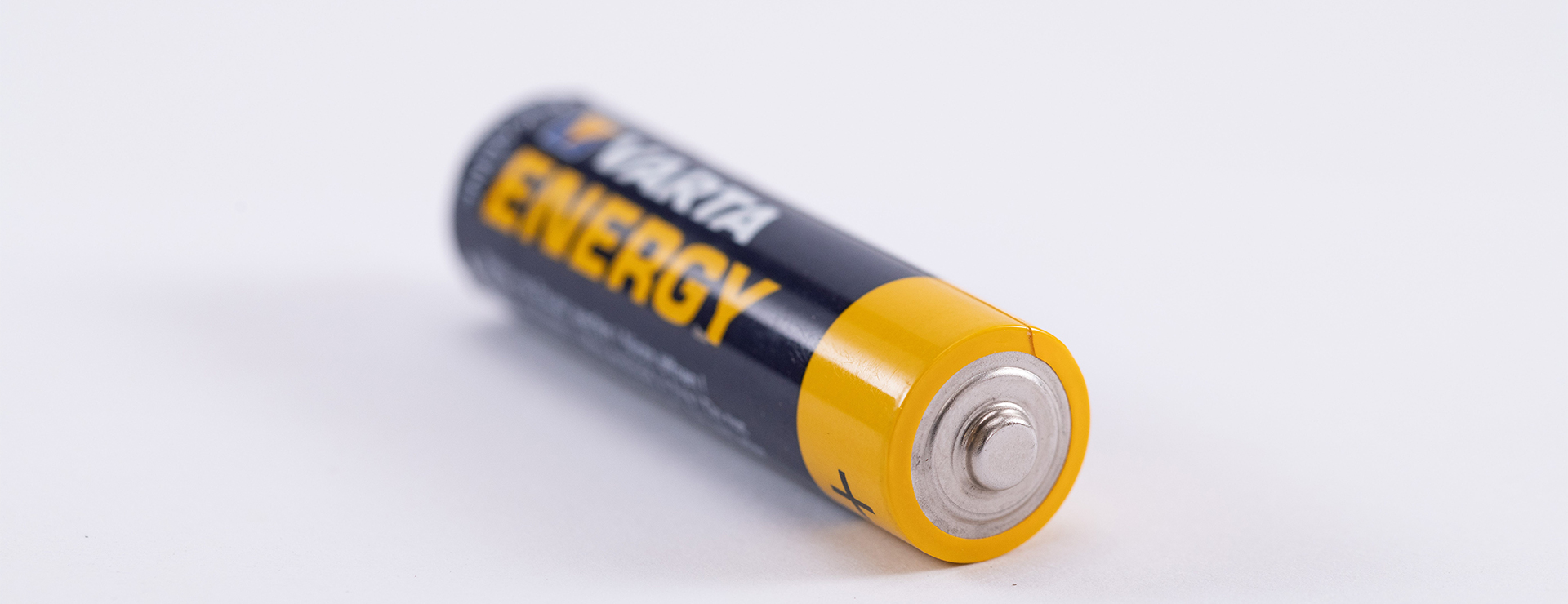
CR123A vs AA Batteries in Security Sensors – What You Need to Know

CR123A vs AA Batteries in Security Sensors What You Need to Know


Not sure whether to use CR123A or AA batteries in your security sensors? It depends on your systems power demands, space constraints, and expected battery life.


CR123A Batteries Compact Power


Higher voltage (3V) means better performance in wireless motion detectors.


Longer shelf life up to 10 years, perfect for long-term deployments.


Lithium-based chemistry stable even in extreme heat or cold.


AA Batteries Cost-Effective and Accessible


Ideal for low-power keypads and remotes.


Easy to find and replace, but lower energy density.


May require more frequent replacements in wireless sensors.


Which Should You Use?


Use CR123A for critical wireless PIR sensors, glass break detectors, and outdoor modules.


AA may be sufficient for non-critical devices.


Bonus: Ask your supplier if the CR123A batteries they offer are UL or IEC certified for security system use.

Continue
How to Store and Maintain Backup Batteries in Fire & Security Systems

Youve invested in top-tier batteries for your security system. But are you storing them correctly?

Storage Mistakes to Avoid

High humidity: Can corrode battery terminals and packaging.

Direct sunlight or heat: Shortens shelf life and increases self-discharge.

Mixing old and new stock: Leads to performance inconsistency in the field.

Best Practices for Battery Storage

Keep batteries in cool, dry environments (1525°C).

Store in original packaging to prevent accidental discharge.

Use a first-in, first-out (FIFO) approach to inventory management.

Shelf Life Expectations

CR2032 Batteries & CR123A Batteries: 810 years

Alkaline 9V / AA / AAA: 35 years depending on storage conditions

Good battery storage = reliable system performance when it matters most.

Continue
Why Cheap Alkaline Batteries Fail in Commercial Security Systems

When it comes to security, a $0.10 savings per battery isn't worth the risk. Low-cost, unbranded alkaline batteries often lead to unreliable system performance and even damage to sensitive electronics.

The Risks of Using Cheap Batteries

Shorter lifespan frequent replacement increases maintenance cost.

Voltage inconsistency can trigger false alarms or device shutdown.

Leakage damages circuit boards in control panels or sensor housings.

What to Look For in a Reliable Battery

Stable discharge curve essential for alarm control panels.

Industrial-grade manufacturing tighter quality control.

Recognized certifications CE, UL, REACH, IEC standards.

Recommended Models

AA/AAA batteries for control panels and remotes.

CR123A/9V batteries for wireless detectors and backup circuits.

Invest in batteries that match the reliability of your security system.

Continue
Why Your Smoke Detector Battery Keeps Failing – And How to Fix It

Tired of your smoke alarm beeping in the middle of the night? You're not alone. One of the most common complaints in residential and commercial fire systems is battery failure often caused by poor battery choices or overlooked installation details.

Common Reasons Smoke Detector Batteries Fail

Low-quality batteries: Cheap batteries drain faster, especially in high-sensitivity devices.

Wrong battery type: Using zinc-carbon instead of alkaline 9V batteries can lead to frequent power drops.

Extreme temperatures: Cold storage areas can severely shorten battery life.

Loose connections: Batteries not seated properly can cause intermittent power and false alarms.

How to Fix the Problem

Always use certified alkaline 9V batteries for smoke alarms.

Replace batteries once a year, even if the device isn't beeping.

Choose brands with UL, CE, or ANSI certifications.

For high-demand environments, consider bulk supply from industrial-grade battery manufacturers.

Pro Tip: Mark a recurring calendar reminder to replace smoke detector batteries every 12 months.

Continue
Home Archives