16.000MHz Crystal Oscillator Package Types Application Scenarios and Key Parameters Analysis

16MHz crystal oscillator is one of the most commonly used frequency control components in electronic circuits, providing accurate clock signals for microcontrollers, communication modules and embedded systems. As the core component of timing control, its stability directly affects the reliability of the entire system. ZHEJIANG A-CRYSTAL ELECTRONIC TECHNOLOGY CO.,LTD.  (A-Crystal) specializes in the production of various 16.000MHz Quartz Crystal Oscillator, products cover a variety of package sizes and temperature grades.


16MHz crystal oscillator package type  

The package size directly affects the crystal oscillator PCB layout, heat dissipation performance and mechanical stability. Mainstream packages include:


1. 3225 package (3.2mm×2.5mm) surface mount type  

-  Applicable scenarios  : Space-constrained design (IoT devices, wearable products)

-  characteristic  :

- Ultra-thin design (0.8mm height)

- Frequency stability ±10ppm~±30ppm

- Suitable for high density PCB layout

 3225 SMD Quartz Crystal Resonator

2. 5032 package (5.0mm×3.2mm) surface mount type  

-  Applicable scenarios  :Industrial control, automotive electronics

-  characteristic  :

- Excellent temperature stability

- Wide operating temperature range (-40℃~+125℃)

- Higher power handling capability

 5032 SMD Quartz Crystal Resonator

3. 7050 package (7.0mm×5.0mm) surface mount type  

-  Applicable scenarios  : High reliability systems (5G equipment, medical electronics)

-  characteristic  :

- Excellent aging properties

- Low phase noise, suitable for RF applications

- Can be used for oven controlled crystal oscillator (OCXO) design

 7050 SMD Quartz Crystal Resonator

4. HC-49/S   PACKAGE

-  Applicable scenarios  :Traditional equipment, test instruments

-  characteristic  :

- Easy to replace during the prototype development phase

- Large-volume purchasing has obvious cost advantages

 HC-49/S Crystal

5. Other packages:HC49U packages,HC-49SMD/SSMD packages etc 

 HC-49U Crystal Unit HC-49SMD/SSMD Crystal Oscillator 12.7x4.7mm


16.000MHz crystal oscillator key parameters  


Parameters that need to be focused on when selecting:

Parameter Typical Value Importance
Frequency Tolerance ±10ppm to ±50ppm Affects timing accuracy
Load Capacitance (CL) 8pF, 12pF, 18pF, 20pF Must match circuit design
ESR (Equivalent Series Resistance) 50Ω to 100Ω Impacts oscillator startup
Operating Temperature -20°C to +70°C (Commercial) Critical for harsh environments
-40°C to +85°C (Industrial)
Aging Rate ±3ppm/year Long-term stability


Importance of Load Capacitance  

16MHz crystal oscillator needs  External matching capacitors (C1 & C2 ) are used to stabilize the oscillation. The actual load capacitance calculation formula is:

load capacitance calculation formula

- If the specification requires CL=18pF, it is recommended to use  C1=C2=36pF  (Assuming stray capacitance 3pF)

- Wrong capacitance value will cause frequency deviation or failure to oscillate  


Typical Application of 16MHz Crystal Oscillator  

1. Microcontroller (MCU) and embedded systems  

- for  STM32, AVR, PIC, ESP series  Provides system clock

- Ensure the timing accuracy of communication interfaces such as UART, SPI, I2C, etc.


2. Wireless communication module  

- Reference clock source for RF modules such as Wi-Fi (ESP8266/ESP32), Bluetooth (nRF), Zigbee, etc.

- Low jitter crystal oscillators can significantly improve RF signal quality


 3. Industrial and automotive electronics  

- CAN bus, industrial Ethernet PHY, vehicle ECU and other key systems

- pass  AEC-Q200 qualified  Automotive grade crystal oscillator solutions


 4. Consumer Electronics  

  • Real-time clock control for smart watches, drones, game controllers, etc.


Advantages of choosing A-Cryatal's 16MHz crystal oscillator  

-  High accuracy option (±10ppm available)  

-  Full range of packages (3225/5032/7050/HC-49)  

-  Industrial/automotive temperature range (-40°C~125°C)  

-  Low power consumption design (suitable for battery powered devices)  


16MHz crystal oscillator is the "heart" of modern electronic systems.  Package selection, load capacitance matching, and temperature characteristics directly affect system performance. Engineers must choose carefully when designing IoT, industrial control, or automotive electronics.

Zhejiang A-Crystal Company provides high reliability 16.000MHz crystal oscillators, which have been widely used in various industries. Welcome to request samples! If you need special frequency, higher precision and other customized requirements, please contact the technical team: market@acrystals.com or visit the official website: [www.acrystals.com](http://www.acrystals.com)


Continue
3225 Crystal Introduction

The 3225 crystal is a common quartz crystal resonator, which is widely used in electronic devices to provide a stable clock signal. Here is some basic information about the 3225 crystal:

1.Size

- The "3225" in the name of the 3225 crystal refers to its size of 3.2mm x 2.5mm. This miniaturized design makes it ideal for use in compact electronic devices.

2. **Frequency Range**

  • The frequency range of 3225 crystal is usually between 12MHz and 54MHz, and the specific frequency depends on the application requirements.

Here are some common frequency of 3225 quartz crystal 


3225

20.000M

3225

13.560M

3225

24.000M

3225

13.52127M

3225

48.000M

3225

26.2982M

3225

40.000M

3225

27.1412M

3225

52.000M

3225

50.000M

3225

26.000M

3225

27.000M

3225

27.120M

3225

32.768M

3225

12.000M

3225

32.000M

3225

18.432M

3225

12.288M

3225

28.224M

3225

14.7456M

3225

13.400M

3225

22.1184M

3225

8.000M

3225

24.576M

3225

25.000M

3225

38.400M

3225

16.384M

3225

11.0592M

3225

16.000M

3225

13.824M

3. **Application**

- 3225 crystals are widely used in various electronic devices, including:

- Smartphones

- Tablets

- Wireless communication devices

- Internet of Things devices

- Consumer electronics

4. **Features**

- **High stability**: The 3225 crystal has high frequency stability and can maintain stable performance under different temperature and environmental conditions.

- **Low power consumption**: Suitable for low-power devices, helping to extend battery life.

- **Miniaturization**: The compact size makes it ideal for modern portable devices.

5. **Packaging**

- 3225 crystals are usually packaged using surface mount technology (SMT), which is convenient for automated production and high-density circuit board design.

6. **Operating temperature range**

- 3225 crystals usually have a wide operating temperature range, such as -40°C to +85°C, suitable for various environmental conditions.

7. **Load Capacitance**

- Common load capacitance values include 12pF, 18pF and 20pF, and the specific value depends on the circuit design requirements.

8. **Manufacturing process**

- The 3225 crystal uses a sophisticated quartz crystal processing process to ensure high accuracy and high reliability.

9. **Market**

- Due to its wide application and high performance, 3225 crystals occupy an important position in the global electronic component market.

10. **Selection considerations**

- When selecting a 3225 crystal, the following factors need to be considered:

- Frequency accuracy

- Load capacitance

- Operating temperature range

- Package type

- Supplier reliability and technical support


3225 crystal has become one of the indispensable components in modern electronic devices due to its miniaturization, high stability and wide range of applications.


Continue
Crystal oscillator and navigation equipment

In the early years, people relied on paper maps for self-driving trips. However, paper maps cannot be used to check routes while driving, and cannot quickly determine the current location. With the continuous development and progress of technology, navigation devices have quietly entered people's daily lives, bringing great convenience. Next, let's talk about the role of crystal oscillators in navigation devices.


First, the crystal oscillator provides an accurate time reference in the navigation device. By synchronizing with the external GPS satellite, the crystal oscillator can ensure that the time inside the navigation device is consistent with the global standard time. This is essential for the normal operation of the navigation device because it needs to accurately calculate information such as position, speed and direction.


Secondly, the crystal oscillator also provides a stable frequency signal. In radio navigation equipment, the crystal oscillator acts as an oscillator to generate a stable oscillation frequency. These frequency signals are used to modulate and demodulate wireless signals to achieve communication with navigation satellites or ground base stations. The stability and accuracy of the crystal oscillator are essential to ensure reliable communication between navigation equipment and the outside world.

In addition, crystal oscillators also play the role of frequency synthesis in radio navigation equipment. By combining multiple crystal oscillators together, higher frequency band signals can be generated to meet the needs of different navigation systems. This frequency synthesis technology enables radio navigation equipment to operate in a wide frequency range, improving the flexibility and adaptability of the navigation system.


Crystal oscillators play an important role in providing accurate time reference and stable frequency signals in radio navigation equipment. Its stability, accuracy and frequency synthesis capability are essential to ensure the normal operation of navigation equipment and reliable communication with the outside world. Therefore, crystal oscillators play an indispensable role in radio navigation equipment.

Continue
Parameters Instructions of OSCILLATORS

Simple Packaged Crystal Oscillators (SPXO)

SPXO is an oscillator for watches, which uses crystal resonance to create an electrical signal with a more precise frequency and are suitable for clock signal generators.


Voltage Controlled Crystal Oscillators (VCXO)

These crystal oscillators have a variable-capacitance diode inserted into a SPXO oscillation loop, and enables the oscillation frequency to change by varying the voltage of the external power supply. The temperature characteristic of these oscillation are equivalent to those of the SPXO loop and takes advantage of the good attributes of crystal resonators.


Temperature Compensated Crystal Oscillators(TCXO)

These high-precision crystal oscillators have a built-in circuit that corrects frequency variations resulting from temperature variations of the crystal resonator. It is optimal for applications where small frequency tolerance is required across a wide temperature.


Oven Controlled crystal Oscillator(OCXO)

OCXO is a super high-precision crystal oscillator with very small frequency variations by a built-in thermostatic bath, to maintain a constant temperature of the crystal resonator. Available to the frequency reference, such as instruments and infrastructure base stations.


Real Time Clock Module(RTC)

RTC is a high-precision crystal application product with built-in tuning-fork crystal oscillator,has an interrupt function and data provide function necessary for calendar clock function,such as year, month, day, hour, minute and second.


Output Frequency Nominal value of output frequency of a crystal controlled oscillator
Frequency Tolerance (Crystal Oscillators) The maximum permissible deviation of the oscillator frequency from a specified nominal value. when operating under specified condition.
Frequency Characteristics over Temperature(Crystal Oscillators) Deviation from the frequency at the specified reference temperature due to operation over the specified temperature range,when other conditions remain constant.
Frequency Stability vs. Supply Voltage Deviation from the frequency at the specified supply voltage due to operation over the specified temperature range,when other conditions remain constant.
Frequency Stability vs. Load Variation Deviation from the frequency at the specified load conditions due to changes in load impedance over the specified range, when other conditions remain constant.
Frequency Stability vs.AgIng The rate of output frequency change when an oscillator is operated under a specified condition and operating time.
Operating Temperature Range Temperature range over which the crystal oscillator can be operated within allowable deviation range.
Supply Voltage The DC input voltage necessary for oscillator operation.
Current Consumption Operating current consumption.
Standby Current The current consumption, when the oscillating by the control voltage applied to the control pin of an oscillator having the output control function.
Start up Time The duration from the oscillation start until it reaches the specified output amplitude after power was applied.
Load Condition Types or the number(capacity)of loads that can be connected to the oscillator.
Output Level Amplitude of output waveform.
Rise Time The time interval required for the leading edge of a waveform to change between two defined levels.
Fall Time The time interval required for the trailing edge of a waveform to change between two defined levels.
Symmetry The ratio between the time, in which the output voltage is above a specified level, and time in which the output voltage is below the specified level, in percent of the duration of the full signal period.
Output Disable Time Time lag between control-signal input and oscillation output, where oscillation output is on. Specified for models with output control function.
Output Enable Time Time lag between control-signal input and oscillation output, with oscillation output switched off (no output load). Specified for models with output control function.
3-state The situation that the output goes to a high impedance when an oscillator stops oscillating by the standby function.
Phase Noise The generic designation of the unwanted emission of energy around the nominal frequency generated by an oscillator.
Phase Jitter The phenomenon when the phase of the pulse wave of the output signal of an oscillator moves back and forth in time from its ideal position. It is called jitter when the frequency fluctuations of the phase in time is over 10Hz.
Harmonics Unwanted frequency component, which is higher than the desired output frequency of an oscillator.
Frequency Adjustment Range The output frequency range which can be shifted by the control voltage from outside to VCXOs.
Frequency Control Vltage The range of input voltage from outside to shift the frequency of VCXOs.
Continue
PMX206 8.0MM*3.8MM Crystal The Ideal Alternative to EPSON MC-306

In electronic device design, the 32.768KHz crystal oscillator serves as the core component of Real Time Clocks (RTC), where stability andreliability are paramount. While EPSON's MC-306 series has long been a mainstream choice in the market, technological advancements and the need for supply chain diversification have made finding high quality alternatives a key concern for many engineers. The PMX206 series crystal oscillator from Zhejiang A Crystal Electronic Technology Co., Ltd. is specifically designed as a high performance alternative solution to meet this demand. 


Key Features of PMX206 Crystal (8038 SMD Tuning Fork Crystal PMX206, size 8.0*3.8*2.5 mm)

1. Excellent Frequency Stability  

Frequency range: 25.60KHz to 307.20KHz, covering a wide range of application needs  

Standard 32.768KHz frequency, fully compatible with MC-306  

Frequency tolerance: ±5ppm to ±100ppm (referenced at 25℃)  

Temperature coefficient:  0.034±0.006 ppm/℃², ensuring stable operation across various temperature environments  

2. Optimized Electrical Parameters  

High quality factor (Q): Typical value 75,000  

Series resistance (R1): 35KΩMin 50KΩMax  

Load capacitance (CL): Adjustable 6PF-30PF to accommodate different circuit designs  

Insulation resistance (IR): ≥500MΩ (DC100V±15V)  

A-Crystal 8038 SMD Tuning Fork Crystal PMX206(MC-306)

Advantages of PMX206 Over MC-306  

1.   Wider Temperature Range  : PMX206 offers an operating range of  40℃ to +85℃, making it more suitable for extreme environments than the standard MC-306  

2.   Better Frequency Stability  : Excellent performance in temperature coefficient and aging rate ensures higher long term reliability  

3.   Flexible Load Capacitance Options  : Adjustable range of 6-30pF facilitates circuit design optimization  

4.   Supply Chain Advantages  : Zhejiang A Crystal, as a professional crystal oscillator manufacturer, provides stable supply assurance  

5.   Cost Effectiveness  : Competitive pricing while maintaining equal or better performance  


For engineers seeking alternatives to EPSON MC-306, the PMX206 offers excellent performance, reliable quality, and competitive pricing. Whether for new product designs or upgrades to existing products, PMX206 is a cost effective option worth considering. By choosing Zhejiang A Crystal, you not only get high quality crystal oscillator products but also professional technical support and supply chain security.  


Contact Us for Technical Support and Sample Requests  

Contact us today to learn how PMX206 can add value to your application!  

For more technical details about the PMX206 crystal or to request samples, please contact our sales team:  

Tel: 0086-576-89808609  

Email: market@acrystals.com  

Website: [www.acrystals.com](http://www.acrystals.com)  


Continue
Working Principle of 32.768KHZ Crystal Oscillator

32.768kHz crystal is a commonly used clock source, especially in electronic devices. This crystal is often used in real-time clock (RTC) and timing applications, such as watches, alarm clocks, thermometers, pedometers, etc.

Working principle:

32.768kHz crystal oscillator is an oscillator that generates a stable frequency through resonance phenomenon. It usually consists of a quartz crystal and related circuits.

1. Quartz crystal: Quartz crystal is a key component of the crystal oscillator. It is a material with a highly lattice structure and stable mechanical properties. The shape of the crystal can be cylindrical or flake with electrodes on both sides, flake is more common. The size of the quartz crystal determines the stability of the oscillation frequency.

2. Oscillation circuit: The oscillation circuit drives the quartz crystal to the resonance point and provides feedback to maintain the stability of the oscillation. The oscillation circuit usually consists of an amplifier, a feedback network and a compensation circuit.

- Amplifier: The amplifier is responsible for boosting the crystal oscillator's signal to offset the damping caused by the oscillation circuit and external load.

- Feedback network: The feedback network feeds a portion of the crystal oscillator's output signal back to the amplifier to maintain the stability of the oscillation. This feedback enhances at a specific frequency and attenuates at other frequencies, so that the oscillator only oscillates at the resonant frequency.

- Compensation circuit: The compensation circuit is used to compensate for the influence of temperature, power supply voltage and crystal aging on the oscillation frequency. It can be realized by combining a temperature sensor and a dedicated circuit.

Once the oscillator is working, the quartz crystal will generate a stable oscillation signal at a frequency of 32.768kHz through the oscillation circuit. This signal can be used to drive time-related electronic devices such as RTC after passing through the frequency divider.

It should be noted that the frequency of the 32.768kHz crystal oscillator was chosen because it is 2 to the 15th power and can be easily divided by multiples of 2 to produce a lower frequency clock signal.

SMD Tuning Fork Crystal Unit7015 SMD Tuning Fork Crystal PMX145

SMD Tuning Fork Crystal PMX405Tuning Fork Crystal Resonator

8038 SMD Tuning Fork Crystal PMX206


Continue
Working Principle of Crystal Resonator

A quartz crystal resonator is an electronic component that uses the piezoelectric effect of a quartz crystal to achieve frequency stabilization. The chemical composition of quartz is SiO2, which belongs to the hexagonal oxide mineral system, mainly including low-temperature quartz (α-quartz) and high-temperature quartz (β-quartz). This crystal produces a piezoelectric effect when subjected to pressure or heat, which is the fundamental physical property of its use as a resonant device.

Working principle of crystal resonator


In actual manufacturing, the basic structure of a quartz crystal resonator is: thin slices are cut from the quartz crystal at a specific azimuth angle (such as AT cut or BT cut), electrodes are made by silver plating on both sides, and the leads are welded and then packaged to form a complete device. The products are usually packaged in metal shells, but they can also be packaged in glass, ceramic or plastic. When an alternating voltage is applied to the electrodes, the chip will produce mechanical vibrations, and when the voltage frequency is consistent with the natural frequency of the chip, a significant piezoelectric resonance phenomenon will occur.


The piezoelectric effect of quartz crystal is characterized by bidirectional conversion: applying an electric field produces mechanical deformation (inverse piezoelectric effect), while applying mechanical pressure produces an electric field (postive piezoelectric effect). This characteristic makes its mechanical vibration equivalent to inductance L, which together with static capacitance C0 forms an LC resonant circuit. This structure enables the Q value of the quartz resonator to reach tens of thousands or even millions, which is far superior to ordinary LC oscillation circuits.

Quartz crystal resonators mainly operate in two modes: fundamental frequency and overtone. By optimizing the electrode design and the wafer cutting method, the performance of specific modes can be improved for different application scenarios. Due to their excellent frequency stability, these devices are widely used in communication equipment, computer systems, consumer electronics and other fields.


With the development of technology, modern quartz crystal resonators have been able to meet the diverse needs from ordinary consumer electronics to high-precision industrial equipment. Through special cutting methods and packaging processes, the temperature stability and reliability of the product can be further improved, allowing it to continue to play a key role in emerging fields such as 5G communications and the Internet of Things.

High Frequency Crystal Oscillator

Continue
Modernizing Your EPR Spectrometer When and Why You Should Upgrade

Across chemistry and materials science labs, EPR spectrometers have powered research for decades. But as experimental needs advance, many facilities are facing the same question: When is it time to modernize your EPR system?

Instead of costly full replacements, more labs are turning to targeted modernization to bring aging EPR equipment up to current research standards while maximizing existing hardware investment.


The Hidden Cost of Outdated EPR Instruments

Many EPR spectrometers installed in the 1990s or early 2000s still function for basic CW measurements. However, as field stability weakens, control electronics degrade, and cryogenic components age, research capabilities gradually decline.

A materials group in Germany recently struggled to maintain pulse stability on their 20-year-old system while expanding into low-temperature spin dynamics. With spare parts becoming scarce, their system downtime was increasing.

Similar challenges appear in US chemistry departments, where outdated control software makes EPR training unnecessarily complex for graduate students. Some labs operate systems that only a few technicians can run reliably.


What EPR Modernization Really Delivers

Modernizing an EPR system allows labs to extend instrument lifetime and add advanced functionality significantly. Instead of replacing entire magnets or RF hardware, EPR modernization and upgrades focus on:

 - Digital control electronics with improved field precision

 - Pulse EPR capability with modern phase coherence and timing resolution

 - Seamless integration of nitrogen and helium cryostat systems for variable temperature studies

 - Fully digital software interfaces that simplify both teaching and advanced research

This approach preserves valuable core components while dramatically expanding experimental capability.


Real-World Case: Advanced Materials Research Enabled by EPR Modernization

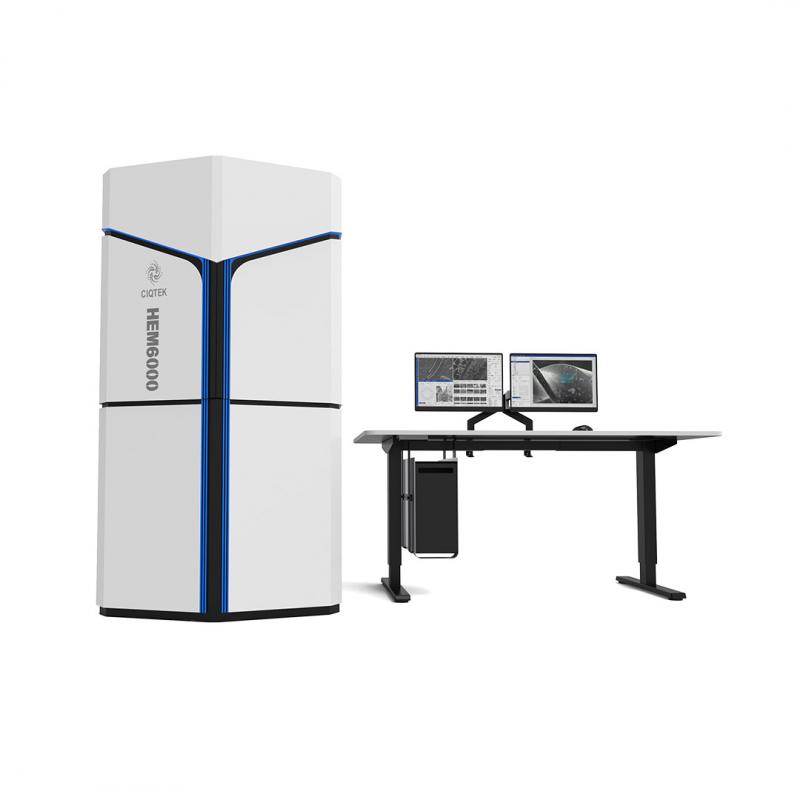
At a leading national laboratory in China, a research team studying spin defects and paramagnetic centers encountered serious limitations with their legacy EPR system. Their older EPR spectrometer lacked the phase stability and pulse flexibility required for precise coherence and relaxation measurements. After a full digital control and pulse module upgrade delivered by CIQTEK, the lab successfully expanded into advanced pulse EPR experiments while preserving its existing hardware setup. 

Similar modernization projects have been successfully completed at several European research institutes, supporting new work in catalysis, spintronics, and materials characterization.


Why CIQTEK Modernization and Upgrade Is Gaining Momentum Worldwide

Full EPR system replacement can be financially challenging and logistically disruptive. CIQTEK EPR modernization services offer a highly cost-effective alternative by:

 - Extending instrument life by 10 years or more

 - Providing cutting-edge pulse and VT functionality

 - Lowering training barriers with intuitive, modern software

 - Minimizing lab downtime during transition

Importantly, CIQTEK supports EPR modernization and upgrade services with comprehensive local service support worldwide, complemented by expert application training and rapid remote diagnostics to minimize research interruptions.


CIQTEK EPR Modernization: Upgrade Smarter, Not Harder

Whether your lab needs:

 - Full digital control upgrades

 - Pulse EPR expansion modules

 - Variable temperature system integration

 - Modern teaching software platforms

CIQTEK delivers proven EPR modernization and upgrade solutions already operating in labs worldwide.


If your existing EPR system is limiting your research, CIQTEK EPR modernization can unlock new capabilities while protecting your hardware investment.

>> Learn more or schedule a technical consultation now.

CIQTEK Modernization and Upgrade

Continue
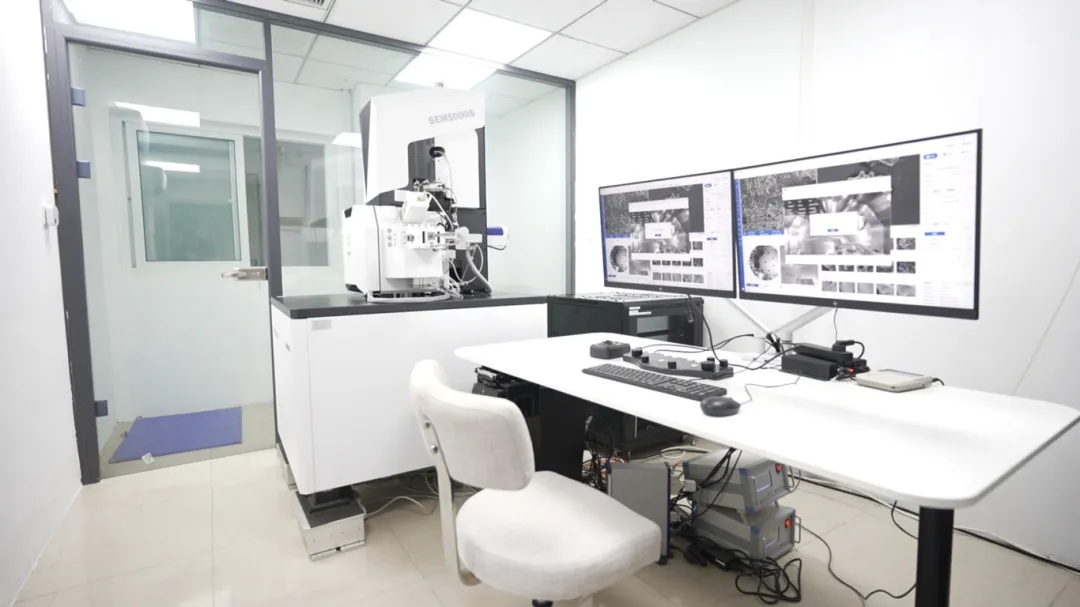
【Exclusive Interview with the First Author of a Science Paper】Let's Utilize CIQTEK Electron Microscopes!

Recently, the top international academic journal "Science" published a research paper titled "Fatigue of Li metal anode in solid-state batteries" by Professor Wei Luo from Tongji University, along with Professor Yunhui Huang from Huazhong University of Science and Technology and other collaborators.


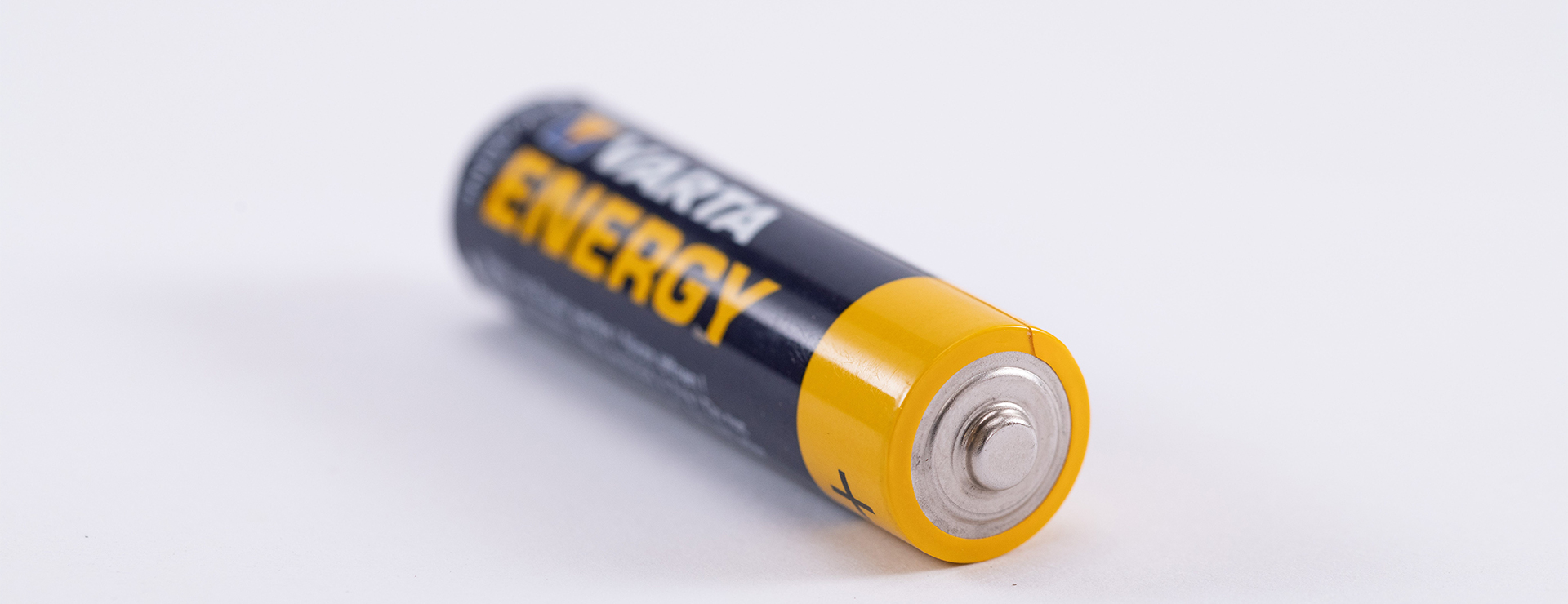
This study revealed for the first time the fatigue failure phenomenon of the lithium metal anode in solid-state batteries, unveiled a new fatigue failure mechanism, and proposed novel strategies to inhibit fatigue failure and enhance the performance of solid-state batteries.


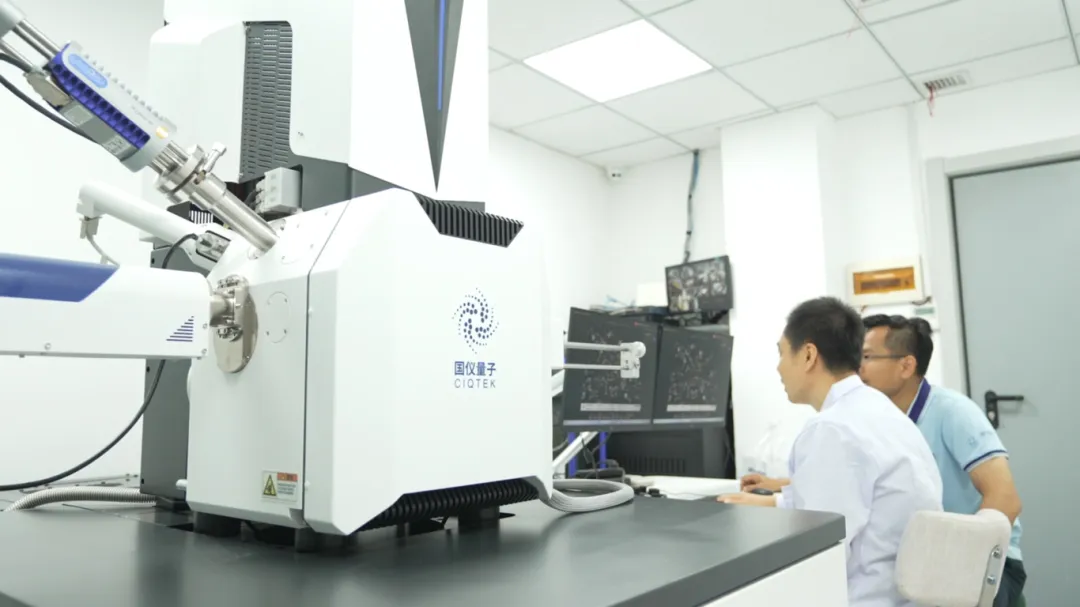
In this research, the team utilized the Tungsten Filament SEM from CIQTEK for in-situ SEM fatigue testing and obtained excellent test results.


Link to the original paper:

https://www.science.org/doi/10.1126/science.adq6807


Recently, the first author of this paper, Professor Bo Chen from Tongji University, was invited to visit CIQTEK and granted an interview with us.


Professor Bo Chen introduces: "Our research group mainly focuses on two aspects, one being imaging with synchrotron X-rays, and the other involving electron microscopy imaging, as with CIQTEK. The work of our entire research group revolves around the nano- and micro-structures of materials, particularly in the three-dimensional nano- and micro-structures of materials. Therefore, our entire research group can be referred to as the materials nano- and micro-structure research group."


Regarding the paper recently published in "Science," Professor Bo Chen stated: "The paper seized upon a phenomenon that hadn't been extensively considered before, which is the fatigue of lithium metal. Previously, everyone believed that it was electrochemical fatigue generated during charging and discharging processes, but in reality, it also exhibits mechanical fatigue during these processes."


"The primary discovery of this research is that lithium exhibits not only electrochemical fatigue during charging and discharging but also mechanical fatigue manifested during these processes, which combined are the main causes of destruction in the lithium metal of solid-state batteries. The paper further suggests that by alloying lithium metal to enhance its physical properties, the lifespan of solid-state batteries can be improved. This is a groundbreaking finding and quite intriguing."


When designing experiments, the team observed both types of fatigue by installing fatigue devices on the electron microscope. Since the research group only had one electron microscope, in order to comprehensively observe, they used an in-situ tensile stage developed by Professor Jixue Li at Hangzhou Yuanwei Technology Company. Professor Bo Chen said, "With the help of Professor Li, we jointly created a fatigue tensile-testing device. The mechanical fatigue experiment of lithium metal was conducted by Professor Li using the electron microscope from CIQTEK for in-situ tensile testing."


When asked about his views on CIQTEK Electron Microscopes, Professor Bo Chen was very candid and sincere: "For us, our only requirement is that the equipment must perform well."


As a research scientist who enjoys hands-on exploration, Professor Bo Chen also shared some personal insights on using CIQTEK instruments. He mentioned that when the instrument offers both quality and cost-effectiveness, it greatly enhances the interest of researchers in tinkering with the machine, reduces the sense of alienation towards expensive instruments, and encourages researchers to utilize the machine more effectively, thereby unleashing more research creativity.


Ending with Professor Bo Chen's words, CIQTEK will continue to stick to the slogan: Successful Customers, Successful Companions!

Continue
What should you pay attention to when using the tact switch

Article introduction

Tact switches are frequently used in daily life and work, because the specifications of tact switches are diverse and the applications are also different. If you do not understand the basic knowledge of the touch switch, it is easy to cause the switch to malfunction during use, and it will cause the entire device circuit to fail to work normally. In response to this situation, the manufacturer of tact switches, Gangyuan Electronics, summarized the details of the use of tact switches in daily life.

Precautions during installation

When the welded joint of the switch is not completely cooled, do not lightly touch or shake the contact position, otherwise the switch may loosen. Deformation phenomenon When using a welding switch, do not use high-concentration water-soluble flux, otherwise, when the temperature is too high, the oxidized material of the water-soluble flux will corrode the switch.
The standard waterproof rating is IP6.7. However, the larger the double-digit number after the IP, the stronger the waterproof capability, but it is more expensive than the price. Therefore, when purchasing a switch in general, please use the switch to purchase the corresponding waterproof level according to the requirements of the actual application scenario.


Push switch requirements

Do not press the switch frequently to avoid failure of circuit breaker detection circuit components, which may cause some switch buttons to malfunction. In addition, every time the button switch is activated, a certain amount of current is activated, so often deselecting the switch will also cause unnecessary energy consumption.


Precautions for switch cover

Do not scratch the switch cover on the switch installation cable, otherwise the exposed part of the iron core will easily penetrate some water and gas, which will easily cause line leakage or short circuit. As long as the switch is touched, it will cause a dangerous electric shock accident.


Switching current load regulations

When using a touch switch, you should pay attention to whether the switch current load meets the equipment requirements, because the current load capacity of switches of different specifications is quite different. If the working voltage and working current of some electrical appliances do not match the selected switching power supply, it is easy to cause circuit overload. When the working temperature is too high, the working current will burn directly.


Summarize

The touch switch is a switch that requires manual operation of the button. To operate the switch, you only need to press the switch button to force the internal metal shrapnel to jump to perform the switch function, so the switch must be replaced each time. The button strength is not enough to hold the button with too much strength, otherwise the button strength will damage the induction shrapnel of the touch switch.


switch
Continue
Home Archives